
Wax Begonia
Wax Begonia Detailed Encyclopedia Introduction
Perennial herbaceous flowering plant with long blooming season, flowering year-round with rich colors, an excellent ornamental plant.
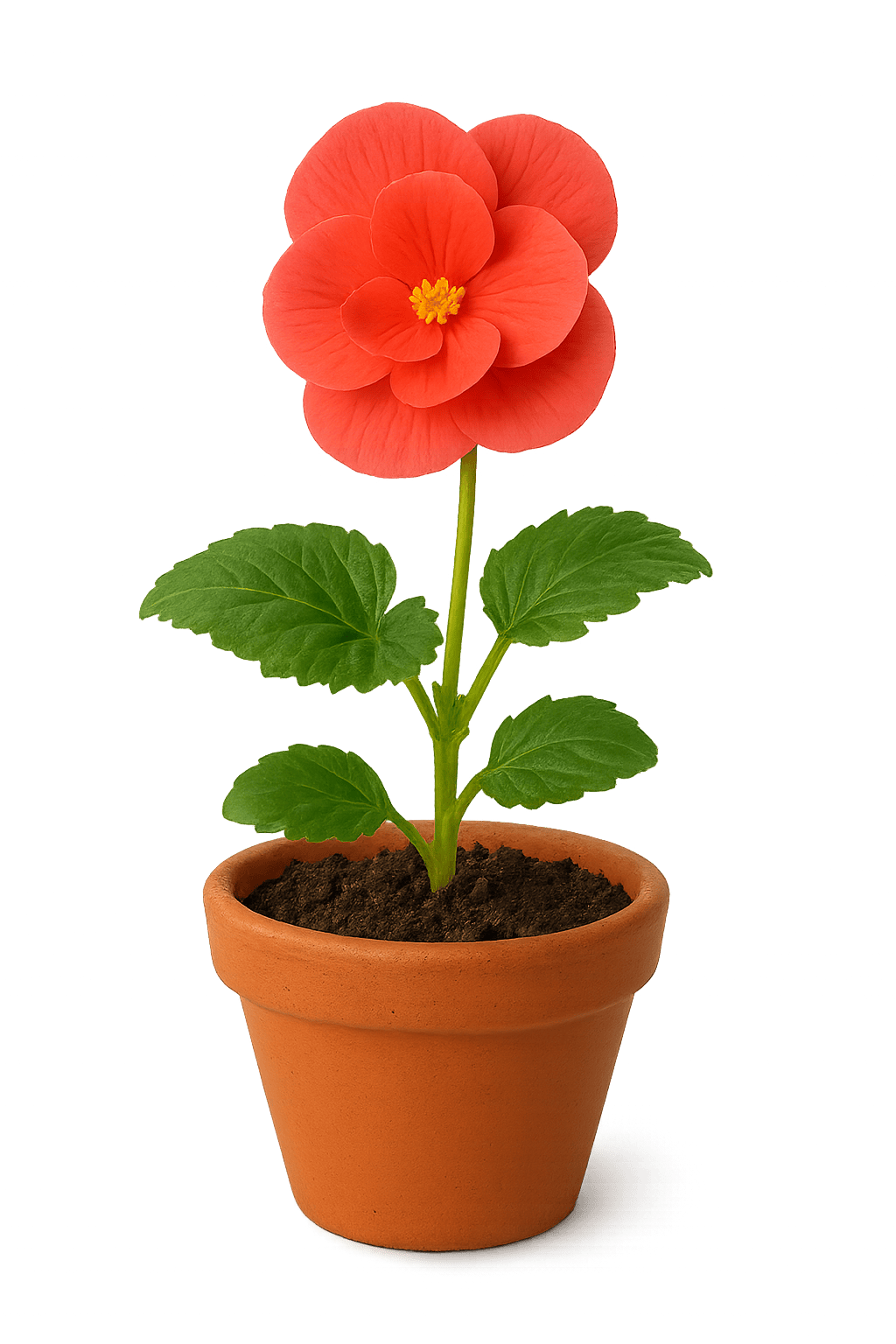
Basic Info
Family:Begoniaceae
Scientific Name:Begonia semperflorens
Origin:South America
Flowering Period:Year-round
Height:15-30 cm
Lifespan:Perennial
Morphology
Leaves:Heart-shaped or round, succulent, green or reddish-brown
Flowers:Single or double petals, red, pink, or white
Roots:Fibrous root system, relatively shallow
Stem:Succulent stem, multi-branched
Growth Habits
Soil Requirements:Loose, well-aerated humus-rich soil
Watering Needs:Keep soil slightly moist, avoid waterlogging
Light Requirements:Bright filtered light
Temperature Requirements:15-25°C
Classification & Varieties
Main Classifications
Ornamental Varieties
Professional Care
✂️ Pruning Management
Pruning Timing:Light pruning can be done year-round
Pruning Method:Pinch tips, remove spent flowers
Pruning Purpose:Promote branching, extend flowering period
Required Tools:Small scissors, tweezers
🛡️ Pest & Disease Management
Common Pests:
Common Diseases:
Prevention Measures:Maintain ventilation, control humidity, regular inspection
Treatment Methods:Biological control, pesticide spray, environmental adjustment
🌱 Fertilization Management
Fertilizer Type:Liquid fertilizer, slow-release fertilizer
Fertilization Frequency:Every 2 weeks during growing season
Fertilization Timing:Spring, summer, and autumn
Fertilization Amount:Dilute to 1:1000 ratio for use
💧 Water Requirements
Watering Frequency:Daily in summer, every 2-3 days in winter
Watering Amount:Water thoroughly but avoid waterlogging
Watering Method:Water at root zone, avoid water on foliage
Dehydration Signs:Wilted leaves, dry soil, drooping flowers
Basic Care Tips
- •Maintain bright filtered light, avoid strong direct sunlight
- •Keep soil slightly moist, but avoid waterlogging that causes root rot
- •Maintain indoor temperature at 15-25°C, avoid temperatures below 10°C
- •Apply diluted liquid fertilizer regularly to promote continuous blooming
- •Remove wilted flowers promptly to keep plant tidy and attractive
Ecology Value
Pollinators:Bees, small insects
Wildlife:Provides nectar for small insects
Environmental Value:Beautifies indoor environment, purifies air
Cultural Symbolism
Symbolic Meaning:Sincere friendship, longing, unrequited love
Historical Background:Introduced to China in the 19th century, widely beloved
Related Festivals:Flower exhibitions, horticultural festivals
Artistic Expression:Important element in modern garden design