
Chinese Rose
Chinese Rose Detailed Encyclopedia Introduction
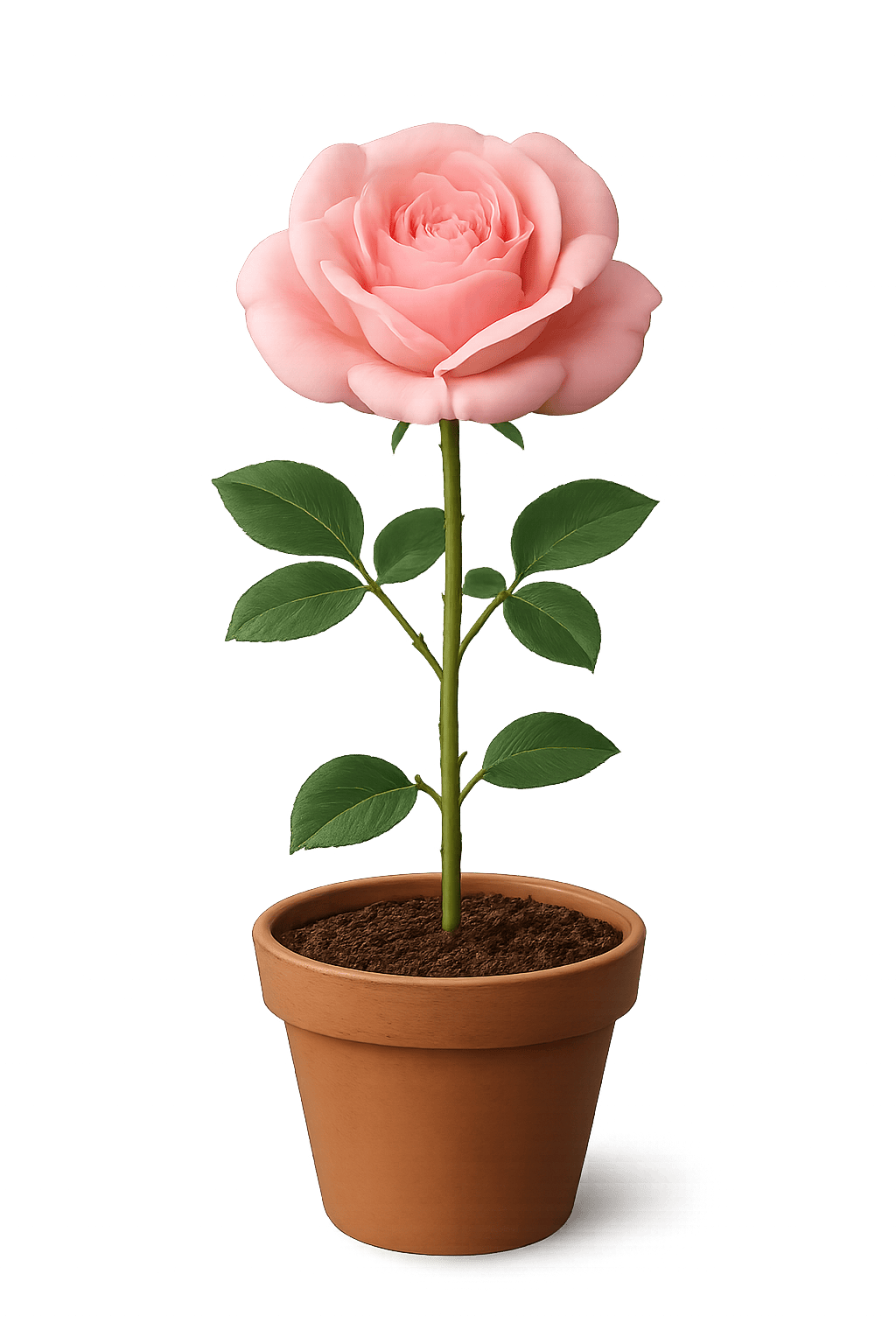
An evergreen or semi-evergreen low shrub from the rose family that blooms year-round with vibrant flowers, known as the Queen of Flowers.
Basic Info
Family:Rosaceae
Scientific Name:Rosa chinensis
Origin:China
Flowering Period:Year-round
Height:30-200 cm
Lifespan:Perennial
Morphology
Leaves:Pinnate compound leaves with 3-5 leaflets
Flowers:Double or single petals with rich fragrance
Roots:Deep root system with well-developed taproot
Stem:Upright or climbing with thorns
Growth Habits
Soil Requirements:Loose, fertile, well-drained loamy soil
Watering Needs:Keep soil moist, avoid waterlogging
Light Requirements:Full sun, more than 6 hours daily
Temperature Requirements:15-25°C, strong cold resistance
Classification & Varieties
Main Classifications
Ornamental Varieties
Professional Care
✂️ Pruning Management
Pruning Timing:Winter dormancy and after flowering
Pruning Method:Cut at 45-degree angle, leaving 3-5 buds
Pruning Purpose:Promote new growth, control shape, increase flowering
Required Tools:Sharp pruning shears, gloves, disinfectant
🛡️ Pest & Disease Management
Common Pests:
Common Diseases:
Prevention Measures:Maintain ventilation, avoid waterlogging, regularly check leaves
Treatment Methods:Biological control, chemical agents, pruning diseased branches
🌱 Fertilization Management
Fertilizer Type:Organic fertilizer, compound fertilizer, foliar fertilizer
Fertilization Frequency:Monthly during growing season, additional phosphorus and potassium before flowering
Fertilization Timing:Spring budding period, after flowering, autumn
Fertilization Amount:50-100 grams per plant depending on size
💧 Water Requirements
Watering Frequency:Daily in summer, every 2-3 days in spring/fall, weekly in winter
Watering Amount:Thoroughly soak deep soil, water when soil becomes dry
Watering Method:Water at root zone, avoid wetting leaves
Dehydration Signs:Wilted leaves, dry soil, stunted new growth
Basic Care Tips
- •Choose a sunny location with at least 6 hours of direct light daily
- •Heavy pruning in spring to encourage new shoots and flowering
- •Regular fertilization, apply compound fertilizer monthly during growing season
- •Monitor and control common pests like aphids and spider mites
- •Moderate pruning in winter, remove diseased and weak branches
Ecology Value
Pollinators:Bees, butterflies, beetles
Wildlife:Provides nectar and pollen for pollinating insects
Environmental Value:Beautifies environment, purifies air, medicinal value
Cultural Symbolism
Symbolic Meaning:Love, beauty, courage, respect
Historical Background:Native to China with over 2000 years of cultivation history
Related Festivals:Important flower for Valentine's Day and Mother's Day
Artistic Expression:Classic subject in poetry, painting, and garden design