
Geranium
Geranium Detailed Encyclopedia Introduction
Perennial herbaceous plant with long flowering period, rich flower colors, and fragrant leaves, an excellent ornamental plant.
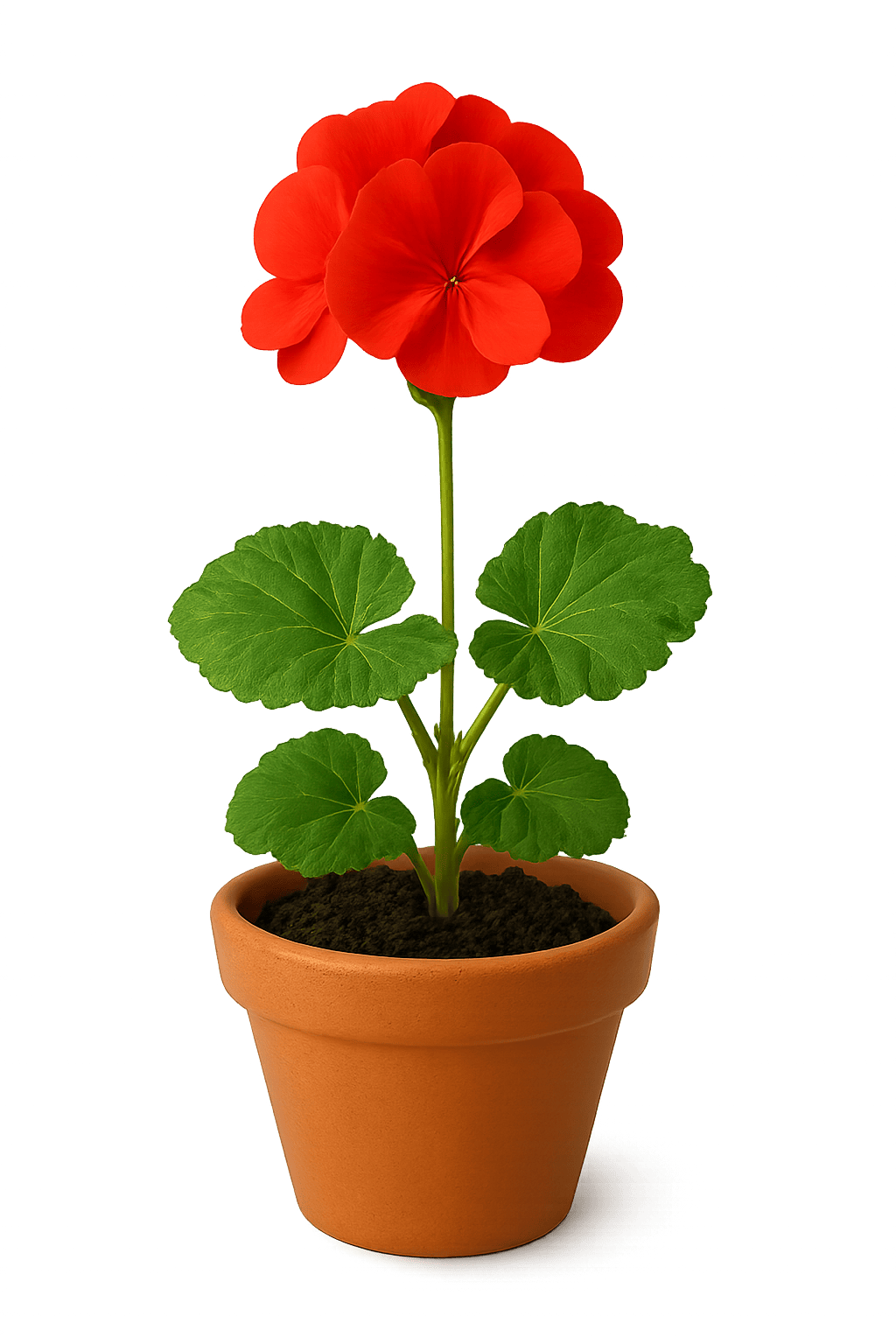
Basic Info
Family:Geraniaceae
Scientific Name:Pelargonium
Origin:South Africa
Flowering Period:Spring to autumn (April-November)
Height:20-60 cm
Lifespan:Perennial
Morphology
Leaves:Alternate, round or kidney-shaped, palmately lobed, with distinctive fragrance
Flowers:Umbel inflorescence, 5 petals, colors include red, pink, white, purple
Roots:Fleshy roots, well-developed root system
Stem:Semi-woody, upright or semi-trailing
Growth Habits
Soil Requirements:Prefers loose, fertile, well-drained sandy loam
Watering Needs:Drought tolerant, avoid waterlogging, keep soil slightly dry
Light Requirements:Sun-loving, needs full sunlight, 4-6 hours daily
Temperature Requirements:Warm-loving, optimal growing temperature 15-25°C
Classification & Varieties
Main Classifications
Ornamental Varieties
Professional Care
✂️ Pruning Management
Pruning Timing:Spring and after flowering
Pruning Method:Pinch tips, remove old branches and spent flowers
Pruning Purpose:Promote branching, control plant shape, extend flowering period
Required Tools:Garden shears, gloves
🛡️ Pest & Disease Management
Common Pests:
Common Diseases:
Prevention Measures:Control watering, maintain ventilation, avoid high temperature and humidity
Treatment Methods:Spray fungicides or insecticides promptly when pests and diseases are found
🌱 Fertilization Management
Fertilizer Type:Compound fertilizer, organic fertilizer, phosphorus and potassium fertilizer
Fertilization Frequency:1-2 times monthly during growing season
Fertilization Timing:Spring to autumn growing period
Fertilization Amount:Light and frequent application, 15-20 grams per plant each time
💧 Water Requirements
Watering Frequency:Every 3-5 days in spring/autumn, every 2-3 days in summer, reduce in winter
Watering Amount:Water when dry, better dry than wet
Watering Method:Water at root zone, avoid wetting leaves
Dehydration Signs:Yellowing leaves, wilting, dry leaf edges
Basic Care Tips
- •Prefers full sunlight, at least 4-6 hours of direct light daily
- •Control watering, water thoroughly after soil surface dries
- •Regularly remove spent flowers and yellow leaves to keep plant tidy
- •Fertilize monthly during growing season to promote flowering
- •Reduce watering in winter, maintain indoor temperature above 10°C
Ecology Value
Pollinators:Bees, butterflies and other insects
Wildlife:Provides nectar for pollinating insects
Environmental Value:Beautifies environment, leaves have mosquito-repelling properties
Cultural Symbolism
Symbolic Meaning:Happiness, chance encounter, true friendship
Historical Background:Introduced from South Africa to Europe in 17th century, became important ornamental plant
Related Festivals:Commonly used for balcony and windowsill decoration
Artistic Expression:Classic element in European courtyards and balcony gardens