
New England Aster
New England Aster Detailed Encyclopedia Introduction
Perennial herbaceous plant with autumn blooms in purple, an excellent ornamental and nectar plant.
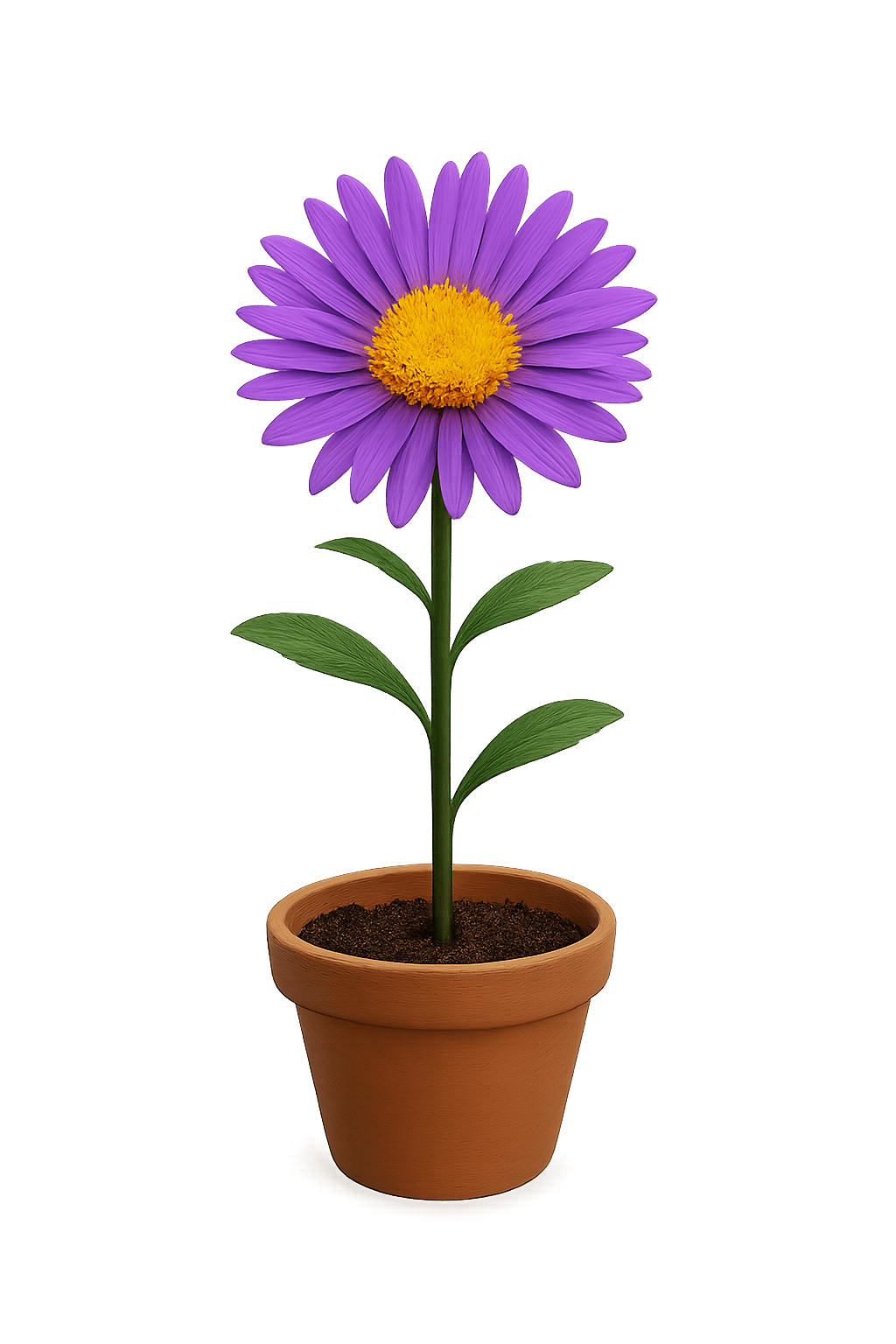
Basic Info
Family:Asteraceae
Scientific Name:Symphyotrichum novae-angliae
Origin:Eastern North America
Flowering Period:Autumn (August-October)
Height:60-150 cm
Lifespan:Perennial
Morphology
Leaves:Alternate, lanceolate, entire or serrated margins, sessile
Flowers:Capitulum with purple or pink ray flowers, yellow disc flowers in center
Roots:Rhizomatous, well-developed root system
Stem:Upright, multi-branched, with soft hairs
Growth Habits
Soil Requirements:Not strict soil requirements, prefers loose, fertile, well-drained loam
Watering Needs:Prefers moisture, keep soil moderately moist
Light Requirements:Sun-loving, needs full sunlight
Temperature Requirements:Cold hardy, optimal growing temperature 15-25°C
Classification & Varieties
Main Classifications
Ornamental Varieties
Professional Care
✂️ Pruning Management
Pruning Timing:Spring pruning and after flowering
Pruning Method:Remove dead branches in spring, remove spent flowers after blooming
Pruning Purpose:Promote new growth, maintain attractive plant shape
Required Tools:Garden shears, gloves
🛡️ Pest & Disease Management
Common Pests:
Common Diseases:
Prevention Measures:Maintain ventilation, avoid dense planting, moderate watering
Treatment Methods:Spray fungicides or insecticides promptly when pests and diseases are found
🌱 Fertilization Management
Fertilizer Type:Compound fertilizer, organic fertilizer
Fertilization Frequency:Once monthly during growing season
Fertilization Timing:Spring through summer growing period
Fertilization Amount:20-30 grams per plant each time
💧 Water Requirements
Watering Frequency:Every 3-5 days in spring/summer, every 5-7 days in autumn
Watering Amount:Keep soil moist, avoid waterlogging
Watering Method:Water at root zone
Dehydration Signs:Wilted, drooping leaves with dull color
Basic Care Tips
- •Choose sunny location with at least 6 hours of light daily
- •Prefers fertile moist soil but also drought tolerant
- •Can divide in spring, maintain 30 cm spacing between plants
- •Can prune moderately in summer to promote more branching and flowering
- •Strong cold hardiness, no special winter protection needed
Ecology Value
Pollinators:Bees, butterflies, moths and other insects
Wildlife:Provides important food source for autumn pollinators and birds
Environmental Value:Beautifies environment, attracts pollinators, improves ecology
Cultural Symbolism
Symbolic Meaning:Memories, nostalgia, loyalty
Historical Background:Native North American plant, important component of autumn gardens
Related Festivals:Commonly used in autumn flower exhibitions and garden beautification
Artistic Expression:Classic material for natural gardens and prairie borders