
Zinnia
Zinnia Detailed Encyclopedia Introduction
Asteraceae annual herb with vibrant, long-lasting flowers in various colors, popular for gardens and cut flowers.
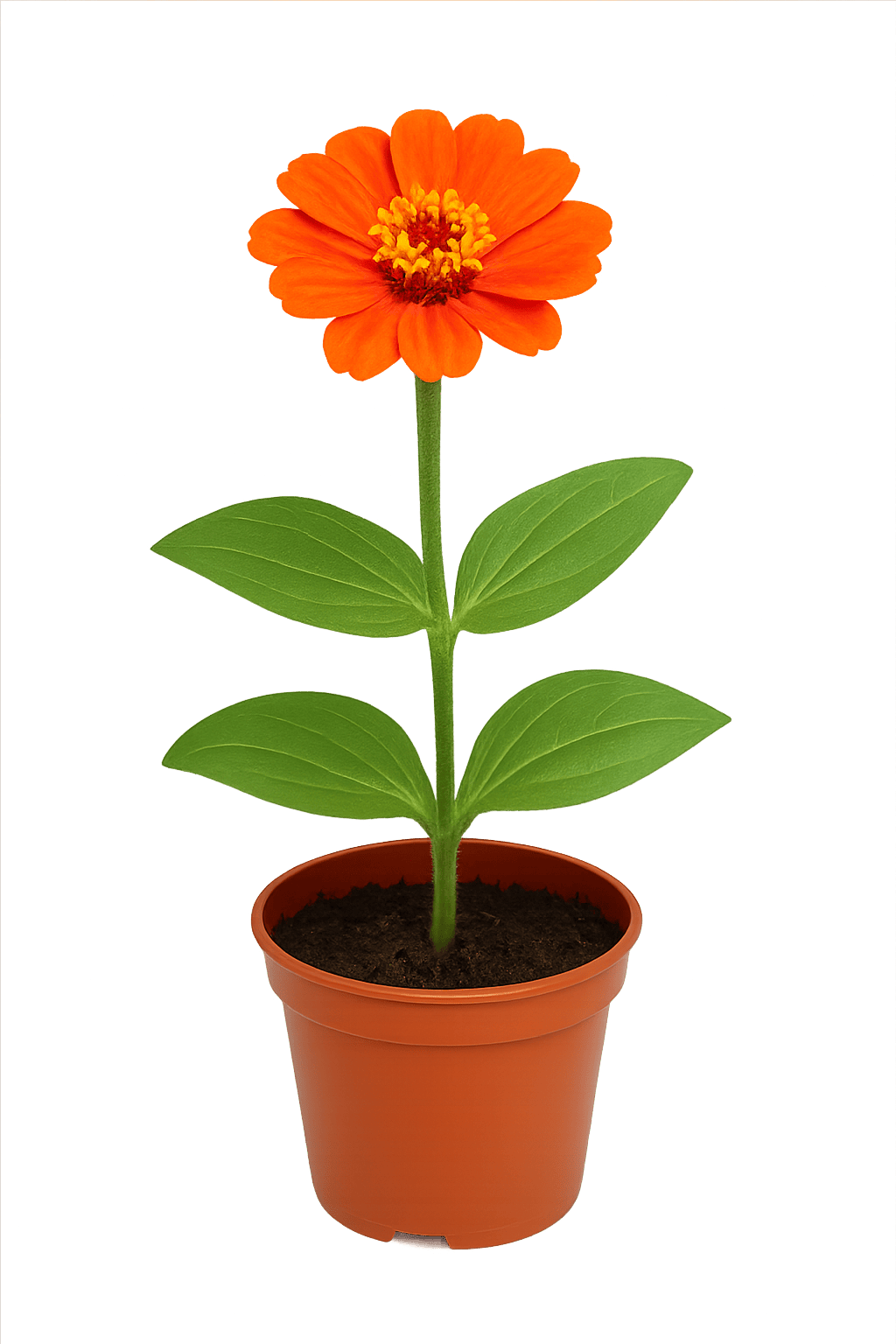
Basic Info
Family:Asteraceae
Scientific Name:Zinnia elegans
Origin:Mexico
Flowering Period:Summer to Fall (June-October)
Height:30-100 cm
Lifespan:Annual
Morphology
Leaves:Opposite, ovate to lanceolate, rough texture
Flowers:Solitary terminal flowers, single or double petals, 5-15 cm diameter, various colors
Roots:Fibrous root system
Stem:Erect, sturdy, branching
Growth Habits
Soil Requirements:Prefers well-drained, fertile loam
Watering Needs:Moderate watering, avoid overhead watering to prevent disease
Light Requirements:Full sun loving, needs 6-8 hours of direct sunlight
Temperature Requirements:Heat tolerant, optimal growing temperature 18-28°C
Classification & Varieties
Main Classifications
Ornamental Varieties
Professional Care
✂️ Pruning Management
Pruning Timing:Regular deadheading throughout blooming season
Pruning Method:Remove spent flowers to encourage continuous blooming, pinch young plants for bushier growth
Pruning Purpose:Promote continuous flowering, maintain compact shape
Required Tools:Pruning shears or scissors, gloves
🛡️ Pest & Disease Management
Common Pests:
Common Diseases:
Prevention Measures:Ensure good air circulation, avoid overhead watering, remove debris
Treatment Methods:Apply fungicides for powdery mildew, use insecticidal soap for pests
🌱 Fertilization Management
Fertilizer Type:Balanced fertilizer (10-10-10) or compost
Fertilization Frequency:Every 4-6 weeks during growing season
Fertilization Timing:After planting, during active growth
Fertilization Amount:Follow package instructions, avoid over-fertilizing
💧 Water Requirements
Watering Frequency:2-3 times weekly, more in hot weather
Watering Amount:1 inch per week, adjust based on rainfall
Watering Method:Water at base of plant, avoid wetting foliage
Dehydration Signs:Wilting leaves, drooping flowers, yellowing foliage
Basic Care Tips
- •Plant after last frost in full sun location
- •Space plants 6-18 inches apart depending on variety
- •Deadhead regularly to promote continuous blooming
- •Provide support for tall varieties to prevent lodging
- •Excellent for cutting gardens, flowers last 7-12 days in vase
Ecology Value
Pollinators:Butterflies, bees, and hummingbirds
Wildlife:Excellent nectar source for pollinators, attracts beneficial insects
Environmental Value:Beautifies gardens, provides pollinator habitat, heat and drought tolerant
Cultural Symbolism
Symbolic Meaning:Endurance, lasting affection, thoughts of absent friends
Historical Background:Named after Johann Gottfried Zinn, 18th-century German botanist, cultivated since Aztec times
Related Festivals:Popular in summer garden festivals and flower shows
Artistic Expression:Common subject in garden photography and floral arrangements