
Chamomile
Chamomile Detailed Encyclopedia
Chamomile is a commonly used herbal plant with effects of sedating and calming the mind, anti-inflammatory and reducing swelling, relieving spasm and pain. Originating from Europe, now widely cultivated worldwide, it is one of the most important herbal plants in traditional Western herbal medicine and a famous herbal tea ingredient.
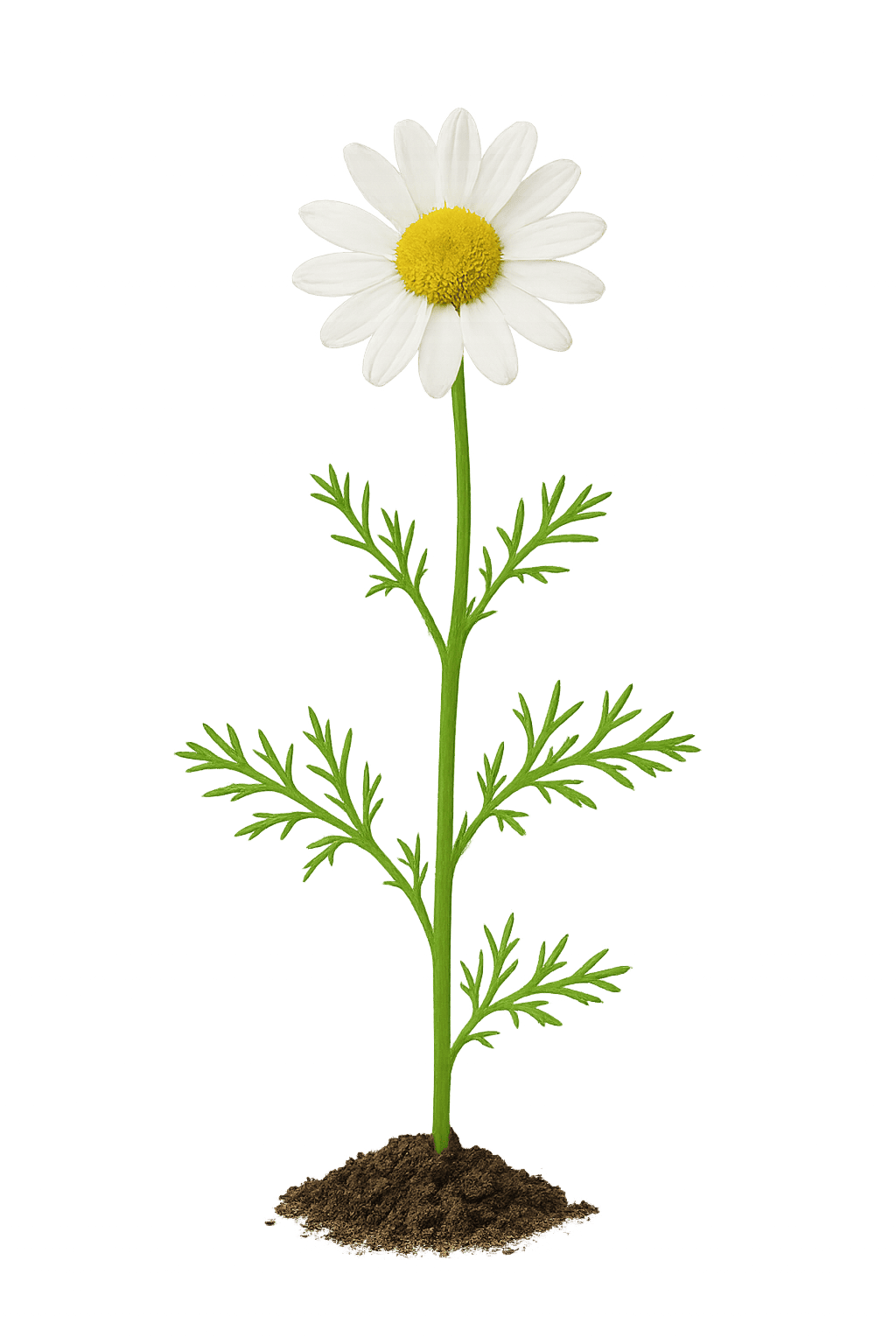
Basic Information
Family:Asteraceae
Scientific Name:Matricaria chamomilla
Origin:Europe, now cultivated throughout China
Harvest Period:Summer (May-August)
Growth Years:1 year
Plant Height:30-50 cm
Morphological Characteristics
Leaves:Alternate, 2-3 times pinnately divided, thread-like segments
Flowers:Capitulum inflorescence, white ray florets, yellow disc florets, blooming May-August
Roots:Fibrous root system
Stem:Erect, branched, smooth or slightly hairy
Growth Environment
Soil Requirements:Well-drained sandy loam, pH 6.0-7.5
Water Requirements:Moderate watering, avoid waterlogging
Light Requirements:Sun-loving, requires full sunlight
Temperature Requirements:15-25°C, cold-tolerant
Humidity Requirements:Relative humidity 50-70%
Classification & Varieties
Main Varieties
Processing Types
💊 Health Benefits
Nature & Taste:Sweet, slightly bitter, neutral
Meridian:Enters Liver, Spleen meridians
Main Efficacies
- •Sedates and calms the mind, improves insomnia, anxiety, nervous tension
- •Anti-inflammatory and reduces swelling, suitable for skin inflammation, eczema, wound sootheing
- •Relieves spasm and pain, alleviates gastrointestinal spasm, dysmenorrhea, headache
- •Soothes nerves, relieves stress and tension
- •Enhances immunity, antioxidant, antibacterial
Active Ingredients
📖 Usage Methods
Dosage
- •Decoction: 3-6g
- •Powder: 1-2g
- •Stew: Add to herbal formulas
- •Tea: 1-2 teaspoons dried flowers steeped in hot water
⚠️ Contraindications
- •Use with caution in allergic individuals
- •Generally safe, use in moderation
- •Pregnant women use under medical supervision
- •Children can use in moderation
🌱 Cultivation Techniques
Cultivation Points
- •Select sunny location with good drainage
- •Deep tillage, apply organic fertilizer
- •Spring or autumn sowing, plant spacing 20-30cm
- •Timely weeding, moderate watering
Common Pests & Diseases
Prevention Measures:Strengthen field management, maintain ventilation
Treatment Methods:Spray neem oil or insecticidal soap at early stage
✂️ Harvest & Processing
Harvest Timing:Summer May-August, harvest when flowers fully open
Harvest Method:Pick flower heads, can harvest multiple times
Processing Methods
- •Fresh flowers: Use directly or make tea
- •Dried flowers: Shade-dry to preserve color and aroma
- •Chamomile oil: Steam distillation to extract essential oil
Storage:Store in cool, dry place, sealed to preserve aroma
🏛️ Cultural Value
History:Chamomile has been used for over 2000 years in European traditional herbal practice
Symbolism:Symbolizes peace and tranquility
Gift Culture:Traditional calming herbal tea
Modern Research:Modern research confirms sedative, anti-inflammatory, and antispasmodic effects
Market Value:Important herbal tea ingredient and essential oil source