
Mint
Mint Detailed Encyclopedia
Mint is a commonly used exterior-releasing Chinese herbal plant, with effects of dispersing wind-heat, clearing head and eyes, benefiting throat and promoting rash eruption, soothing liver and moving qi. Widely distributed throughout China, it is a commonly used cool exterior-releasing herb in traditional Chinese herbal practice, and also an important spice and food additive.
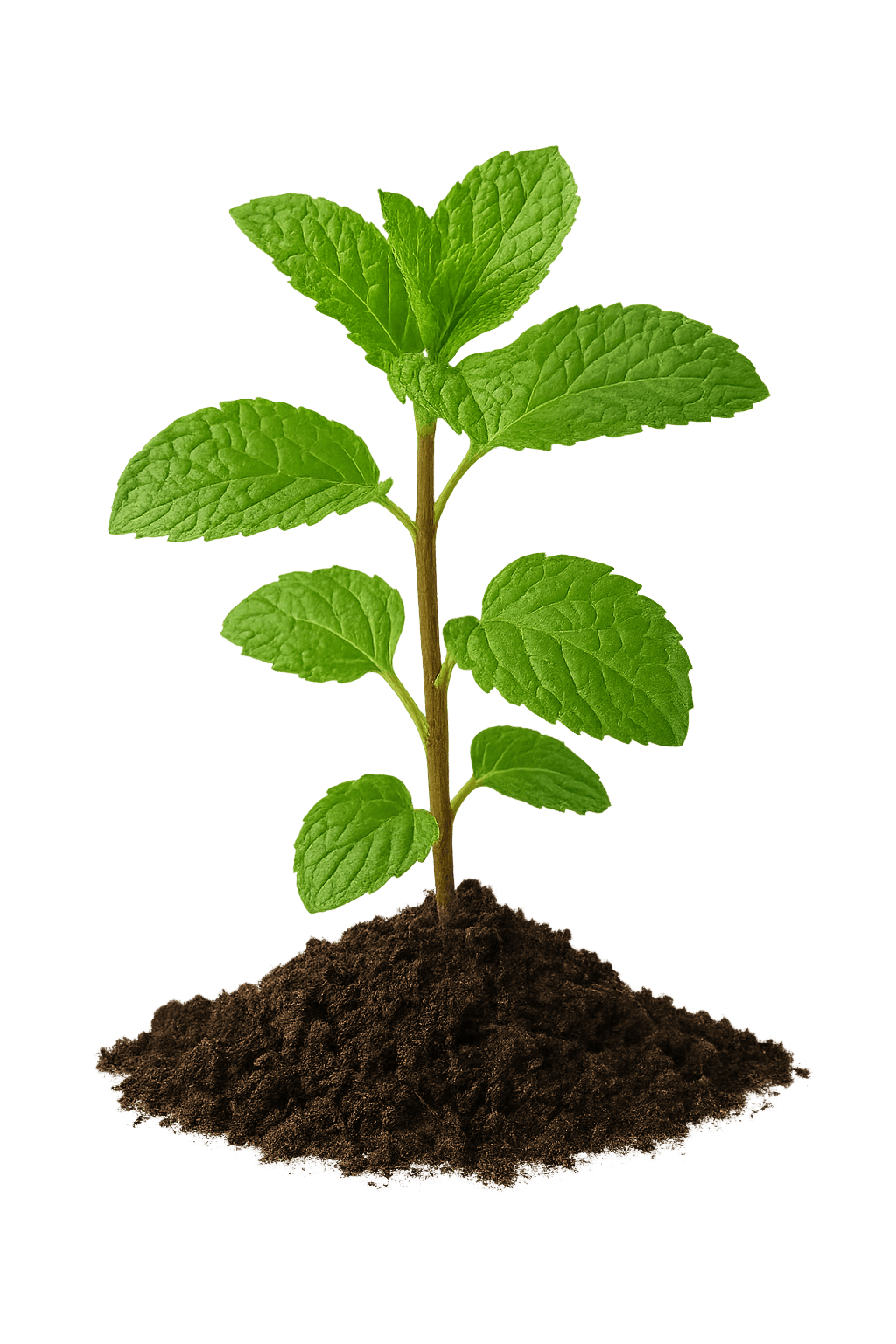
Basic Information
Family:Lamiaceae
Scientific Name:Mentha haplocalyx
Origin:Jiangsu, Zhejiang, Jiangxi, Anhui of China
Harvest Period:Summer and autumn (June-September)
Growth Years:1 year
Plant Height:30-60 cm
Morphological Characteristics
Leaves:Opposite, lanceolate or ovate, serrated margins, aromatic
Flowers:Whorled inflorescence, pale purple or white flowers, blooming July-September
Roots:Fibrous roots and creeping rhizomes
Stem:Square stem, erect or ascending, branched
Growth Environment
Soil Requirements:Fertile sandy loam or clay loam, pH 6.0-7.5
Water Requirements:Moisture-loving, keep soil moist
Light Requirements:Sun-loving, also shade-tolerant
Temperature Requirements:20-30°C, cold-tolerant, can withstand -15°C
Humidity Requirements:Relative humidity 60-70%
Classification & Varieties
Main Varieties
Processing Types
💊 Health Benefits
Nature & Taste:Pungent, cool
Meridian:Enters Lung, Liver meridians
Main Efficacies
- •Disperses wind-heat, suitable for wind-heat common cold, headache, red eyes, sore throat
- •Clears head and eyes, benefits throat and promotes rash eruption, improves incomplete measles eruption, rubella itching
- •Soothes liver and moves qi, relieves liver qi stagnation, chest tightness and hypochondriac pain
- •Refreshes the mind, relieves headache and dizziness
- •Antibacterial and anti-inflammatory, enhances immunity
Active Ingredients
📖 Usage Methods
Dosage
- •Decoction: 3-6g, add later
- •Powder: 1-2g
- •Stew: Add to soups for flavor
- •Tea: Fresh or dried leaves steeped in water
⚠️ Contraindications
- •Use with caution in yin deficiency with blood dryness, excessive sweating
- •Use with caution in liver yang hyperactivity
- •Pregnant women use in moderation
- •Children use in moderation
🌱 Cultivation Techniques
Cultivation Points
- •Select moist location with good drainage
- •Deep tillage, apply organic fertilizer
- •Spring or autumn planting, plant spacing 20-30cm
- •Timely weeding, adequate watering
Common Pests & Diseases
Prevention Measures:Strengthen field management, maintain ventilation
Treatment Methods:Spray bordeaux mixture or carbendazim at early stage
✂️ Harvest & Processing
Harvest Timing:Summer-autumn June-September, harvest when flowering
Harvest Method:Cut aerial parts, can harvest 2-3 times per year
Processing Methods
- •Fresh mint: Wash and use directly
- •Dried mint: Sun-dry or shade-dry
- •Mint oil: Steam distillation to extract essential oil
Storage:Store in cool, dry place, sealed to preserve aroma
🏛️ Cultural Value
History:Mint has been used for over 2000 years, listed in famous materia medica
Symbolism:Symbolizes freshness and vitality
Gift Culture:Traditional cooling and refreshing herb
Modern Research:Modern research confirms antibacterial, anti-inflammatory, and digestive-promoting effects
Market Value:Important herbal material, spice, and essential oil source