
Camellia
Camellia Detailed Encyclopedia Introduction
Camellia is an elegant evergreen shrub with glossy foliage and beautiful winter-spring blooms, renowned for both tea production and ornamental value.
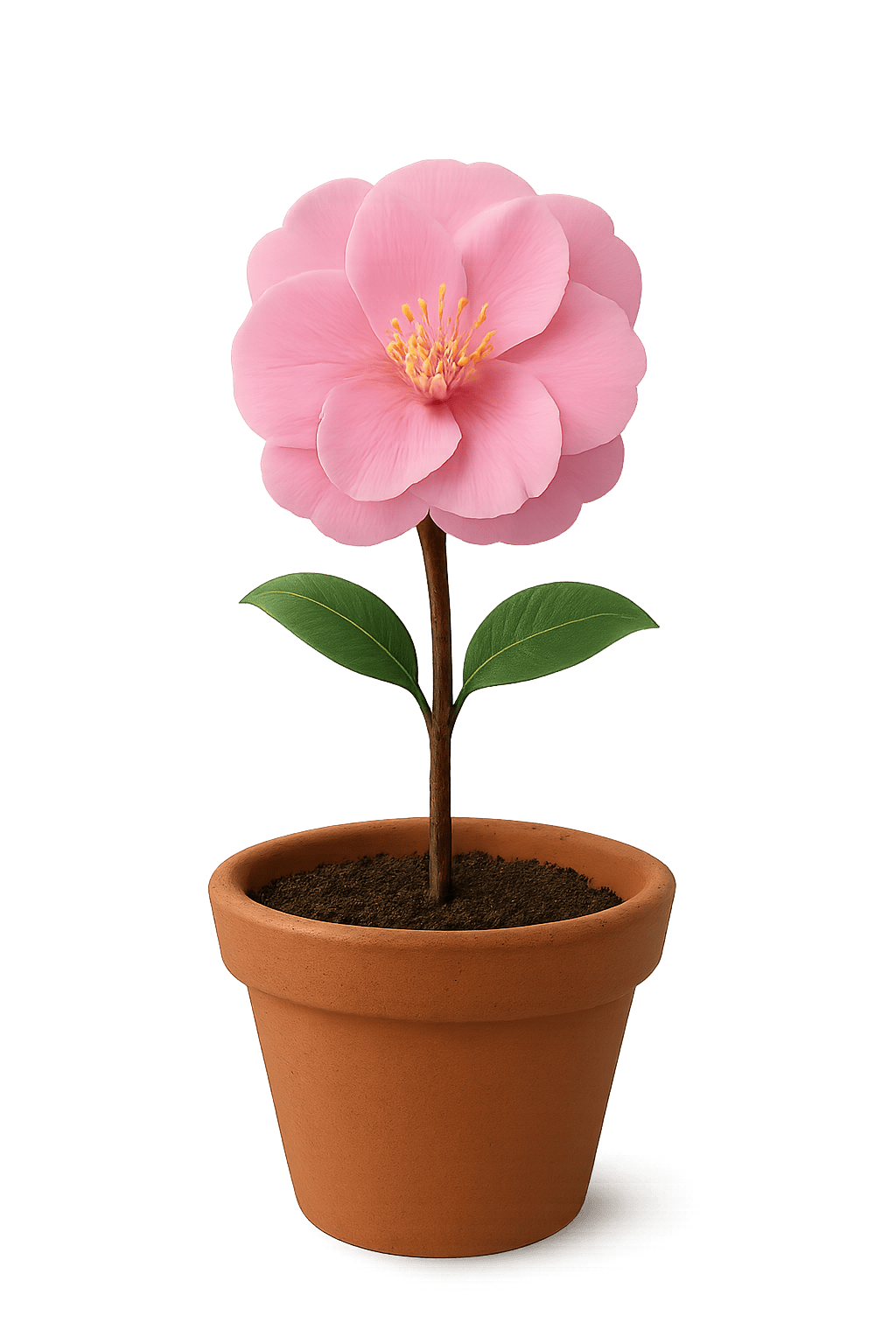
Basic Info
Family:Theaceae
Scientific Name:Camellia
Origin:East Asia
Flowering Period:Winter to spring
Height:2-6 meters
Lifespan:Perennial
Morphology
Leaves:Glossy dark green oval leaves with serrated edges
Flowers:Large showy blooms in various colors - white, pink, red
Roots:Shallow fibrous root system
Stem:Woody stem with smooth bark
Growth Habits
Soil Requirements:Well-drained, acidic, organic-rich soil
Watering Needs:Keep soil consistently moist but avoid waterlogging
Light Requirements:Partial shade to filtered sunlight
Temperature Requirements:10-25°C
Classification & Varieties
Main Classifications
Ornamental Varieties
Professional Care
✂️ Pruning Management
Pruning Timing:Late spring after flowering
Pruning Method:Light pruning for shape, remove deadwood
Pruning Purpose:Maintain shape, encourage new growth, remove spent blooms
Required Tools:Pruning shears, gloves
🛡️ Pest & Disease Management
Common Pests:
Common Diseases:
Prevention Measures:Good drainage, proper spacing, avoid overhead watering
Treatment Methods:Remove infected parts, improve air circulation
🌱 Fertilization Management
Fertilizer Type:Acidic fertilizer
Fertilization Frequency:Twice yearly
Fertilization Timing:Spring and early autumn
Fertilization Amount:Light application
💧 Water Requirements
Watering Frequency:Keep soil moist, reduce in winter
Watering Amount:Moderate watering
Watering Method:Water at base, avoid wetting flowers
Dehydration Signs:Wilted leaves, bud drop
Basic Care Tips
- •Plant in acidic, well-draining soil
- •Protect from strong afternoon sun
- •Mulch around base to retain soil moisture
- •Protect from strong winds and frost
- •Enjoy winter blooms when most plants are dormant
Ecology Value
Pollinators:Bees, hummingbirds
Wildlife:Provides nectar for pollinators during winter
Environmental Value:Evergreen landscaping, winter garden interest
Cultural Symbolism
Symbolic Meaning:Perfection, faithfulness, longevity, admiration
Historical Background:Cultivated in China for over 2000 years
Related Festivals:Camellia festivals in various regions
Artistic Expression:Featured in Chinese and Japanese art