
玫瑰
玫瑰 Detailed Encyclopedia Introduction
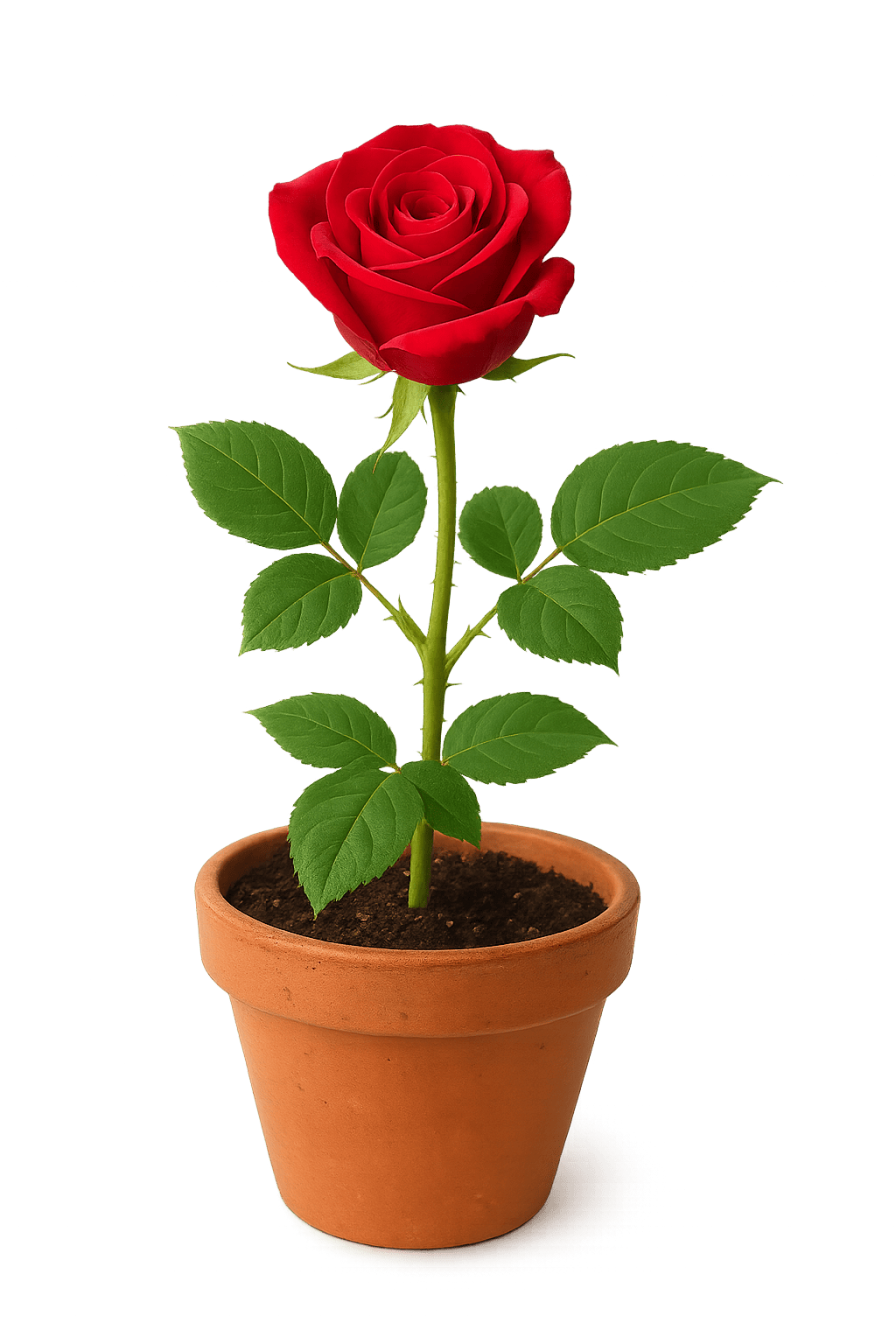
玫瑰是世界上最受欢迎的花卉之一,象征爱情与美丽,需要精心照料才能绽放最美的花朵。
Basic Info
Family:Rosaceae
Scientific Name:Rosa
Origin:Asia, Europe, North America
Flowering Period:Spring through autumn
Height:0.5-3 meters
Lifespan:Perennial
Morphology
Leaves:Pinnate compound leaves, oval leaflets with serrated edges
Flowers:Double or single petals, 5 petals, rich colors
Roots:Deep root system with well-developed taproot
Stem:Upright or climbing with thorns
Growth Habits
Soil Requirements:Well-drained fertile soil
Watering Needs:Keep soil moist, avoid waterlogging
Light Requirements:Requires full sun, more than 6 hours daily
Temperature Requirements:15-25°C, strong cold resistance
Classification & Varieties
Main Classifications
Ornamental Varieties
Professional Care
✂️ Pruning Management
Pruning Timing:Winter dormancy period (December-February) and after flowering
Pruning Method:Cut at 45-degree angle, retain 3-5 buds
Pruning Purpose:Promote new growth, control plant shape, increase flowering
Required Tools:Sharp pruning shears, gloves, disinfectant
🛡️ Pest & Disease Management
Common Pests:
Common Diseases:
Prevention Measures:Maintain ventilation, avoid waterlogging, regularly inspect leaves
Treatment Methods:Biological control, chemical agents, prune diseased branches
🌱 Fertilization Management
Fertilizer Type:Organic fertilizer, compound fertilizer, foliar fertilizer
Fertilization Frequency:Monthly during growing season, increase phosphorus before flowering
Fertilization Timing:Spring budding period, after flowering, autumn
Fertilization Amount:50-100 grams per plant depending on size
💧 Water Requirements
Watering Frequency:Daily in summer, every 2-3 days in spring/autumn, weekly in winter
Watering Amount:Water thoroughly each time, keep soil moist but not waterlogged
Watering Method:Water at root zone, avoid wetting leaves
Dehydration Signs:Wilted leaves, dry soil, stunted new growth
Basic Care Tips
- •需要每天至少6小时直射阳光
- •保持土壤湿润但排水良好
- •定期修剪促进新枝生长
- •每月施肥一次,花期前增加磷肥
- •注意防治病虫害,特别是黑斑病和蚜虫
Ecology Value
Pollinators:Bees, butterflies, birds
Wildlife:Provides food and habitat for various insects
Environmental Value:Purifies air, beautifies environment
Cultural Symbolism
Symbolic Meaning:Symbol of love, beauty, romance
Historical Background:Over 3000 years of cultivation history
Related Festivals:Important flower for Valentine's Day and Mother's Day
Artistic Expression:Classic theme in literature, painting, and music