
Why Are Basil Leaves Turning Yellow and Drooping?
Find the cause in minutes and get your plant back to steady harvest.
Basil leaves turning yellow and drooping is a signal, not a death sentence: the plant is telling you that water, light or roots are out of balance, and most cases recover within a week or two once the cause is corrected. This article starts with diagnosis, so you can match what you see to the likely cause and act on it, then covers the growing, harvesting and storing details that keep Ocimum basilicum leafy instead of leggy or bolting.
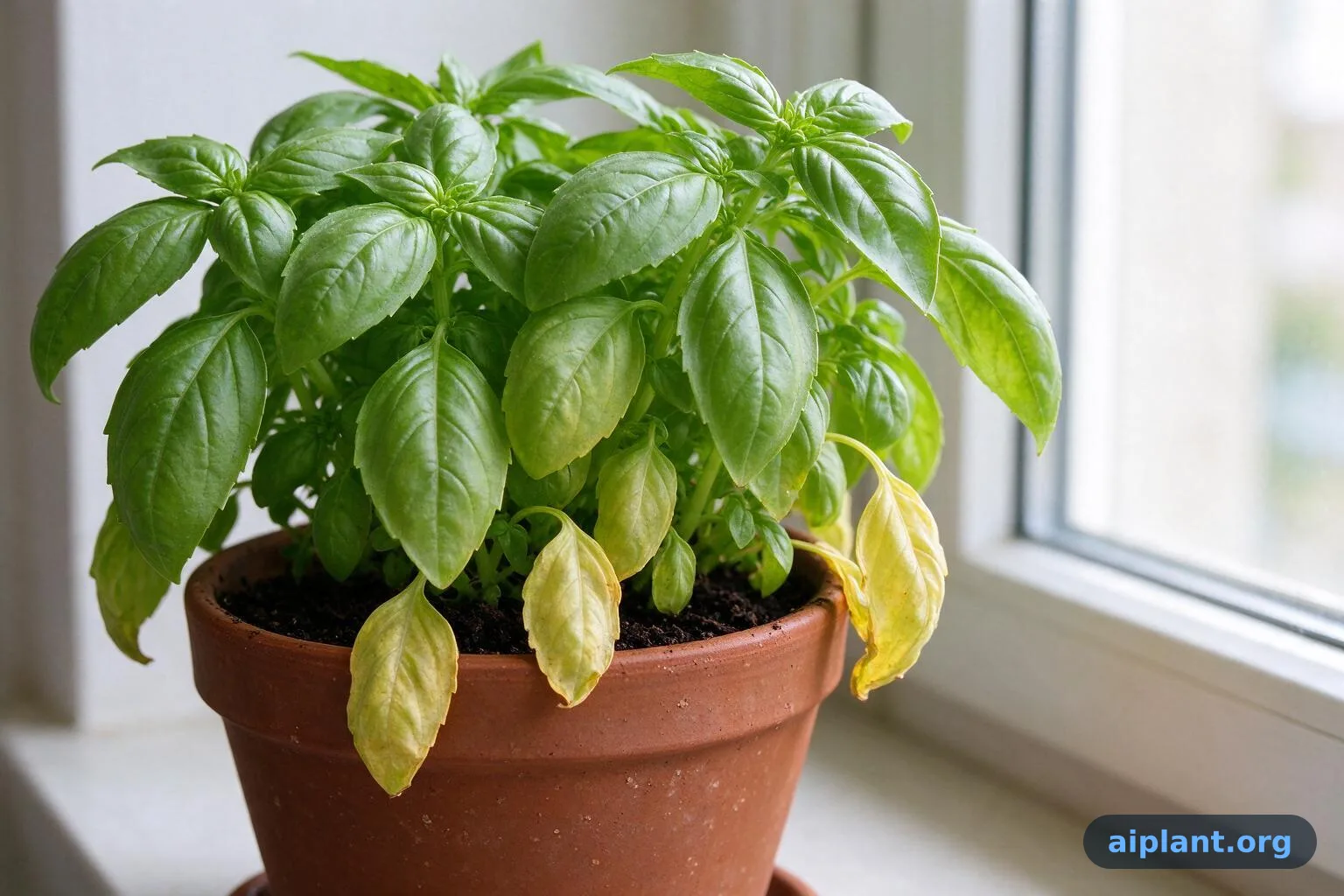
Basil Yellow Leaves and Drooping: The Fast Answer
- Yellow lower leaves with wet soil point to overwatering or poor drainage; let the top 2–3 cm (1 in) dry and check the drainage hole.
- Drooping with dry soil and crisp edges means underwatering; water slowly until it runs out the bottom and the leaves firm up within hours.
- Pale leaves with long bare stems mean too little sun; move the pot to 6–8 hours of direct light and pinch the tips.
- Mushy stems at the soil line mean root rot; cut losses, take healthy cuttings and start fresh in clean, draining soil.
Basil Symptom Check: What Yellow, Drooping or Spotted Leaves Mean
The fastest way to help a struggling Basil is to read the leaves and stems together, because the same yellow colour means different things depending on where it starts and how the soil feels. Use the table as an index, then work through the symptom notes below it for the full fix.
Are yellow or spotted Basil leaves still safe to eat?
Yes, in most cases: yellowing from water stress or low light does not make the leaf unsafe, and pest or fungal damage is on the surface. Wash the leaves under cool running water, trim away brown, mushy or heavily spotted parts, and discard anything that smells musty or feels slimy. Do not eat leaves from a plant with a black, rotting stem until you have removed the rot and the remaining stems are firm and clean.
Yellow Lower Leaves After Watering
This is the most common Basil complaint: the oldest leaves near the bottom turn pale yellow, sometimes with soft brown tips, while the top of the plant still looks green. It usually starts one or two days after watering and the soil stays damp for days. The cause is overwatering or a pot with no working drainage, so roots sit in water and cannot take up nutrients. Check the hole first, then let the top 2–3 cm (1 in) of mix dry before watering again; if the pot is heavy and waterlogged, repot into fresh, free-draining mix and water only when the surface is dry to the touch.
Drooping With Dry, Crisp Soil
When the whole Basil plant wilts, the leaves feel thin and papery, and the pot feels light, the cause is underwatering rather than disease. Basil has soft stems and loses water fast in heat, so a missed day in a small pot can flatten it. Water slowly at the base until water runs out of the drainage hole, then check within a few hours: firm, lifted leaves mean recovery, while leaves that stay limp and brown suggest root damage from a longer drought. In hot weather, check the pot daily by weight rather than by a fixed calendar.
Brown or Black Spots on Basil Leaves
Brown patches, dark streaks along the veins or blackened leaf edges usually point to a fungal leaf disease such as basil downy mildew or bacterial leaf spot, especially when the plant is crowded and the leaves stay wet. Cold water on the foliage and evening watering make it worse. Remove and bin affected leaves, water at soil level in the morning, space plants 20–30 cm (8–12 in) apart for airflow, and avoid overhead watering; if new leaves keep spotting, take healthy tip cuttings and restart in clean mix.
Mushy Stems at the Soil Line
A Basil stem that is soft, dark and collapses at the soil line is rotting, and this is the one symptom where waiting rarely helps. It follows long wet periods, dense potting mix or a pot standing in a saucer of water. Cut away the mushy stem at healthy green tissue, discard it, and take 8–10 cm (3–4 in) tip cuttings from firm stems to root in water or fresh mix. Repot any surviving plant into clean, draining mix and water only when the surface dries.
Tiny Bugs on Basil: Aphids, Whiteflies and Spider Mites
Small insects cluster on the soft new growth and the undersides of leaves; aphids look like green or black lice, whiteflies fly up when the plant is disturbed, and spider mites leave fine webbing and pale stippling. They suck sap, so leaves yellow, curl and drop. Isolate the plant, rinse the foliage with a firm jet of water, then apply insecticidal soap to the undersides every 5–7 days until no new insects appear, and keep the plant in good airflow to slow them down.
Leggy, Tall Basil With Few Leaves
A Basil plant that grows tall and bare with small leaves at the top is stretching for light and has never been pinched. It happens on windowsills and in crowded pots. Move it to 6–8 hours of direct sun, then pinch or cut the stem back to just above a pair of leaves, removing the top 5–8 cm (2–3 in); this forces side shoots and turns one stem into a bush. Repeat every two to three weeks through the growing season.
Bolting Basil: Flowering Too Soon
When Basil sends up a tall flower spike and the leaves turn smaller and bitter, it is bolting, a response to heat, long days, drought or root restriction. Pinch out the flower spike as soon as it appears, keep the plant watered and pick leaves regularly; once flowering is well advanced, flavour declines and it is better to take cuttings and sow a fresh crop. Grow slow-bolting types and provide afternoon shade in hot climates to delay it.
Match the Basil symptom to the likely cause
What Basil (Ocimum basilicum) Is and How to Tell It From Look-Alikes
Basil is a tender annual herb in the mint family, grown for its aromatic leaves and reaching 30–60 cm (12–24 in) tall with a spread of about 30 cm (12 in). It has square stems, opposite oval leaves with smooth or slightly toothed edges, and small white or pink flowers in late summer.
Recognising true sweet Basil
Sweet Basil has bright green, glossy, cupped leaves 5–10 cm (2–4 in) long with a strong clove-anise scent when rubbed, and stems that turn woody at the base as the plant ages. The scent is the quickest test: if a leaf does not smell distinctly of basil, it is not the culinary herb.
Look-alikes that are not Basil
Holy basil (Ocimum tenuiflorum) has narrower, slightly hairy leaves and a peppery scent; lemon basil and Thai basil are still Ocimum species but taste different; and mint or lemon balm can look similar in a mixed herb bed. Check the scent and the leaf shape before using an unknown plant in cooking.
Who should be careful with Basil
Basil is a food herb, but concentrated extracts and supplements are a different matter. If you are pregnant or breastfeeding, giving herbs to children, or taking medication, ask a doctor or pharmacist before using Basil in concentrated or medicinal amounts; culinary amounts in food are the usual context. Traditional uses such as basil tea are described as traditionally used, not as medical treatment.
What Keeps Basil Growing: Light, Water, Soil and Warmth
Basil grows fastest in warmth and full sun, and most yellowing or drooping problems disappear when light, water and drainage are right. Treat the numbers below as targets, then adjust to what the plant shows you.
Light: 6–8 hours of direct sun
Basil needs at least 6 hours of direct sun, and 8 is better for dense, flavourful growth. Indoors, a south- or west-facing window is the minimum; if the stems stretch and the leaves pale, the light is too low. In very hot climates, afternoon shade protects leaves from scorch.
Watering: let the top 2–3 cm (1 in) dry
Water when the surface of the mix is dry to the touch, usually every 2–3 days in warm weather and every 4–6 days in cooler indoor conditions. Water at the base until it drains, never leave the pot standing in water, and reduce watering in winter when growth slows.
Soil and containers: free-draining mix with a working hole
Use a potting mix that drains freely, ideally with perlite or coarse grit, at pH 6.0–7.5. A 15–20 cm (6–8 in) pot with a drainage hole suits one plant; terracotta helps wet mix dry faster. Space garden plants 20–30 cm (8–12 in) apart.
Temperature: 18–27 °C (65–80 °F), minimum 10 °C (50 °F)
Basil sulks below 10 °C (50 °F) and blackens near freezing, so do not plant it out until nights stay above 10 °C (50 °F). Indoors, keep it away from cold windows in winter and from air-conditioning drafts in summer.
Feeding: light and steady
A liquid feed at half strength every 3–4 weeks keeps leaves coming without pushing soft growth. Yellowing between the veins on older leaves suggests a nitrogen shortage; pale new growth with green veins points to iron, usually caused by wet, cold roots rather than a true soil deficiency.
Basil Quick Care Facts
- Part
- Leaves and soft tips
- Harvest
- Pinch tips every 2–3 weeks
- Drying
- Hang small bunches in shade
- Storage
- Refrigerate in damp paper, or freeze
- Light
- 6–8 hours direct sun
- Water
- When top 2–3 cm (1 in) dries
Harvesting, Drying and Storing Basil Without Rot
Basil keeps producing only if you cut it correctly, and it stores well only if it is dry and cool. Harvest and storage mistakes cause more wasted leaves than growing problems do.
How to harvest so the plant keeps growing
- Begin harvesting when the plant has at least three pairs of true leaves, about 4–6 weeks after sowing. Always cut above a node so two side shoots form, and remove flower spikes as soon as they appear.
- Pinch or cut the stem just above a pair of leaves, removing the top 5–8 cm (2–3 in) and never stripping more than a third of the plant at once.
How to dry Basil without it going mouldy
- Harvest in the morning after dew has dried, rinse and pat the leaves completely dry. Any moisture left in the bundle causes mould, so discard leaves that smell musty.
- Then bundle 5–8 stems and hang them in a warm, dark, airy place for 1–2 weeks until the leaves crumble. Alternatively, dry single leaves on a screen.
How to store fresh Basil without rot
Treat cut stems like flowers: stand them in a glass of water on the counter for a few days, or wrap dry leaves loosely in damp paper towel and refrigerate in a bag for up to a week. Do not refrigerate wet leaves, and do not seal them in a warm container. For longer storage, chop and freeze in ice-cube trays with water or oil.
What fresh Basil is used for in cooking
Fresh leaves go into pesto, tomato sauces, salads, caprese, soups and curries, and are best added at the end of cooking to keep the aroma. Dried Basil suits slow-cooked sauces and stuffings. Basil tea is commonly brewed from fresh or dried leaves as a warm drink, traditionally used as a gentle herbal infusion rather than a medicine.
When to Save a Struggling Basil and When to Start Over
A Basil plant is worth saving while the stems are firm and green and at least a few healthy leaves remain; once the main stem is black and mushy at the soil line, cuttings from the healthy top are the better route.
Signs it is still worth saving
Firm green stems, new leaves at the tips and roots that are pale rather than brown all mean the plant can recover. Correct the water, light or pest problem and expect new growth within one to two weeks in warm weather; do not fertilise a stressed plant until it is growing again.
Signs it is time to replace it
A collapsed black stem, widespread brown mushy leaves, or a plant that has flowered heavily and stopped producing means the season is over for that plant. Take 8–10 cm (3–4 in) tip cuttings from any healthy stems, root them in water or fresh mix, and sow a new crop; Basil is fast enough that a fresh sowing overtakes a sick plant quickly.
Preventing the problem from returning
Water by checking the surface rather than by schedule, keep the pot draining freely, give 6–8 hours of sun, pinch tips every two to three weeks and space plants for airflow. These five habits prevent most yellowing, drooping, spotting and pest outbreaks, and they keep the harvest coming until the cold limit of 10 °C (50 °F) ends the season.
Basil Yellow Leaves, Drooping and Care Questions Answered
Why are my basil leaves turning yellow?
Yellowing usually starts on the oldest lower leaves when the soil stays wet for days, pointing to overwatering or a pot with no working drainage. The roots sit in water and cannot take up nutrients, so leaves pale and may get soft brown tips while the top stays green. Check that the drainage hole works, then let the top 2 to 3 cm of mix dry before watering again; if the pot feels heavy and waterlogged, repot into fresh free-draining mix.
Why are my basil leaves turning brown or black?
Brown or black patches, dark streaks along the veins or blackened leaf edges usually mean a fungal leaf disease such as downy mildew or bacterial leaf spot, worse when plants are crowded and leaves stay wet. Remove and bin affected leaves, water at soil level in the morning rather than on the foliage, and space plants 20 to 30 cm apart for airflow. If new leaves keep spotting, take healthy tip cuttings and restart in clean mix.
Why is my basil plant drooping and wilting?
A whole plant that droops with thin, papery leaves and a light pot is underwatered, not diseased. Basil has soft stems and loses water fast in heat, so one missed day in a small pot can flatten it. Water slowly at the base until it runs out of the drainage hole, then check within a few hours: firm, lifted leaves mean recovery, while leaves that stay limp and brown suggest root damage from a longer drought.
Why does my basil have white or brown spots on the leaves?
White powdery patches or brown spots on basil leaves usually indicate a fungal disease, which spreads when foliage stays wet and air movement is poor. Cold water on the leaves and evening watering make it worse. Remove and bin the affected leaves, water at soil level in the morning, and give plants room for airflow. If spotting keeps appearing on new growth, take healthy tip cuttings and restart in clean mix.
What are the tiny bugs on my basil plant?
Tiny insects clustering on soft new growth and leaf undersides are likely aphids, whiteflies or spider mites; whiteflies fly up when the plant is disturbed, and spider mites leave fine webbing and pale stippling. They suck sap, so leaves yellow, curl and drop. Isolate the plant, rinse the foliage with a firm jet of water, then apply insecticidal soap to the undersides every 5 to 7 days until no new insects appear, and keep good airflow.
Why is my basil plant dying and how can I save it?
A basil plant is worth saving while the stems are firm and green and some healthy leaves remain; a black, mushy stem at the soil line means the rot has gone too far. Correct the water, light or pest problem and expect new growth in warm weather, but do not fertilise a stressed plant until it is growing again. If the main stem has collapsed, take 8 to 10 cm tip cuttings from healthy stems and root them, or sow fresh.
Why is my basil plant getting leggy and tall?
A tall, bare plant with small leaves at the top is stretching for light and has never been pinched. It happens on windowsills and in crowded pots. Move it to 6 to 8 hours of direct sun, then pinch or cut the stem back to just above a pair of leaves, removing the top 5 to 8 cm; this forces side shoots and turns one stem into a bush. Repeat every two to three weeks through the growing season.
Why is my basil plant bolting and flowering too soon?
Bolting, where a tall flower spike appears and leaves turn smaller and bitter, is a response to heat, long days, drought or root restriction. Pinch out the flower spike as soon as it appears, keep the plant watered and pick leaves regularly. Once flowering is well advanced, flavour declines, so take cuttings and sow a fresh crop. Slow-bolting types and afternoon shade in hot climates help delay it.
How often should I water my basil plant?
Water basil when the top 2–3 cm (1 in) of potting mix feels dry to the touch, which is usually every 2–3 days in warm weather and every 4–6 days in cooler indoor conditions. Water at the base until it drains from the hole, and never leave the pot standing in water. If lower leaves yellow while the soil stays damp, stop watering and let the surface dry before the next round.
How much sun does a basil plant need?
Basil needs at least 6 hours of direct sun, and 8 hours is better for dense, flavourful growth. Indoors, a south- or west-facing window is the minimum. If stems stretch tall and bare with pale small leaves at the top, light is too low, so move the plant into stronger sun and pinch the tips to force side shoots.
How do I harvest basil so it keeps growing?
Pinch or cut the stem just above a pair of leaves, removing the top 5–8 cm (2–3 in), and never strip more than a third of the plant at once. Start once the plant has at least three pairs of true leaves, and remove flower spikes as soon as they appear. Cutting above a node makes two side shoots form, so repeat every two to three weeks.
How do I dry or store fresh basil without it rotting?
Harvest in the morning after dew has dried, rinse and pat the leaves completely dry, then bundle 5–8 stems and hang them in a warm, dark, airy place for 1–2 weeks until the leaves crumble. For fresh use, stand cut stems in a glass of water on the counter, or wrap dry leaves loosely in damp paper towel and refrigerate in a bag. Never refrigerate wet leaves or seal them in a warm container.
What can I use fresh basil for in cooking?
Fresh basil leaves go into pesto, tomato sauces, salads, caprese, soups and curries, and are best added at the end of cooking to keep the aroma. Dried basil suits slow-cooked sauces and stuffings. Basil tea is commonly brewed from fresh or dried leaves as a warm drink, traditionally used as a gentle herbal infusion rather than a medicine.
For general information only. Not a substitute for professional medical advice.
Related articles
Why Are Garlic Leaves Turning Yellow? Find the Cause
Match the symptom to the cause and fix it before the bulbs suffer.
Amaryllis Leaves Turning Yellow and Drooping: What to Fix First
Find the cause fast and keep the bulb alive for next year's blooms.
How to Save Soft Drooping Aloe Leaves?
Fix Yellow Leaves and Root Rot
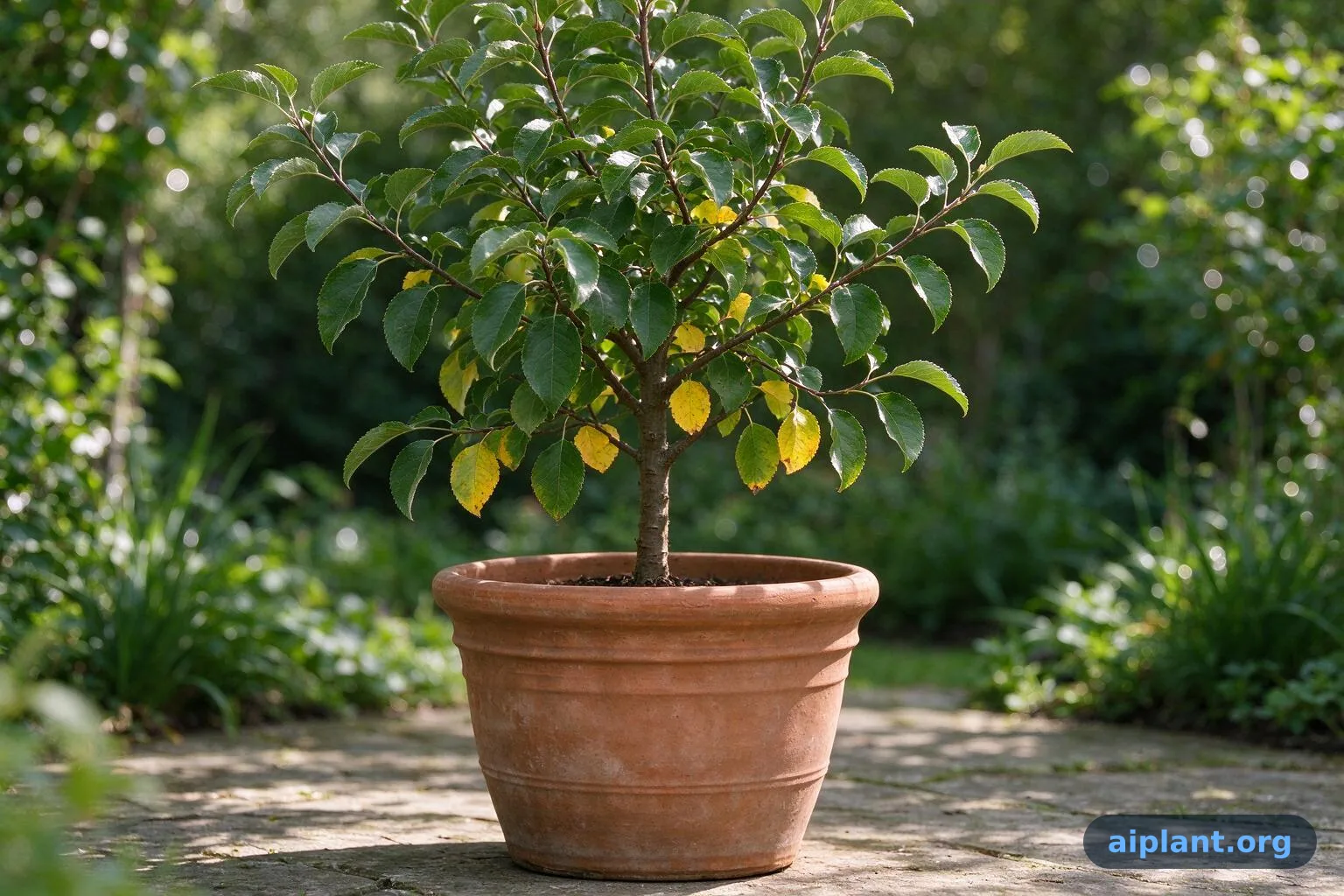
Why Are My Apple Tree Leaves Turning Yellow?
Find the cause in minutes and keep the fruit coming.