
Why Is My Rosemary Not Flowering and How Do I Fix It?
Find the cause, fix it, and bring the blue blooms back.
A rosemary that never flowers is usually getting too little direct sun, was pruned at the wrong time of year, or is still recovering from cold damage. Rosemary (Salvia rosmarinus) blooms on the previous season's growth, so the fix is less about feeding and more about light, timing and winter protection. This article starts with a symptom table to pinpoint what is wrong, then explains how to correct each cause and keep the plant healthy enough to flower and set seed again.
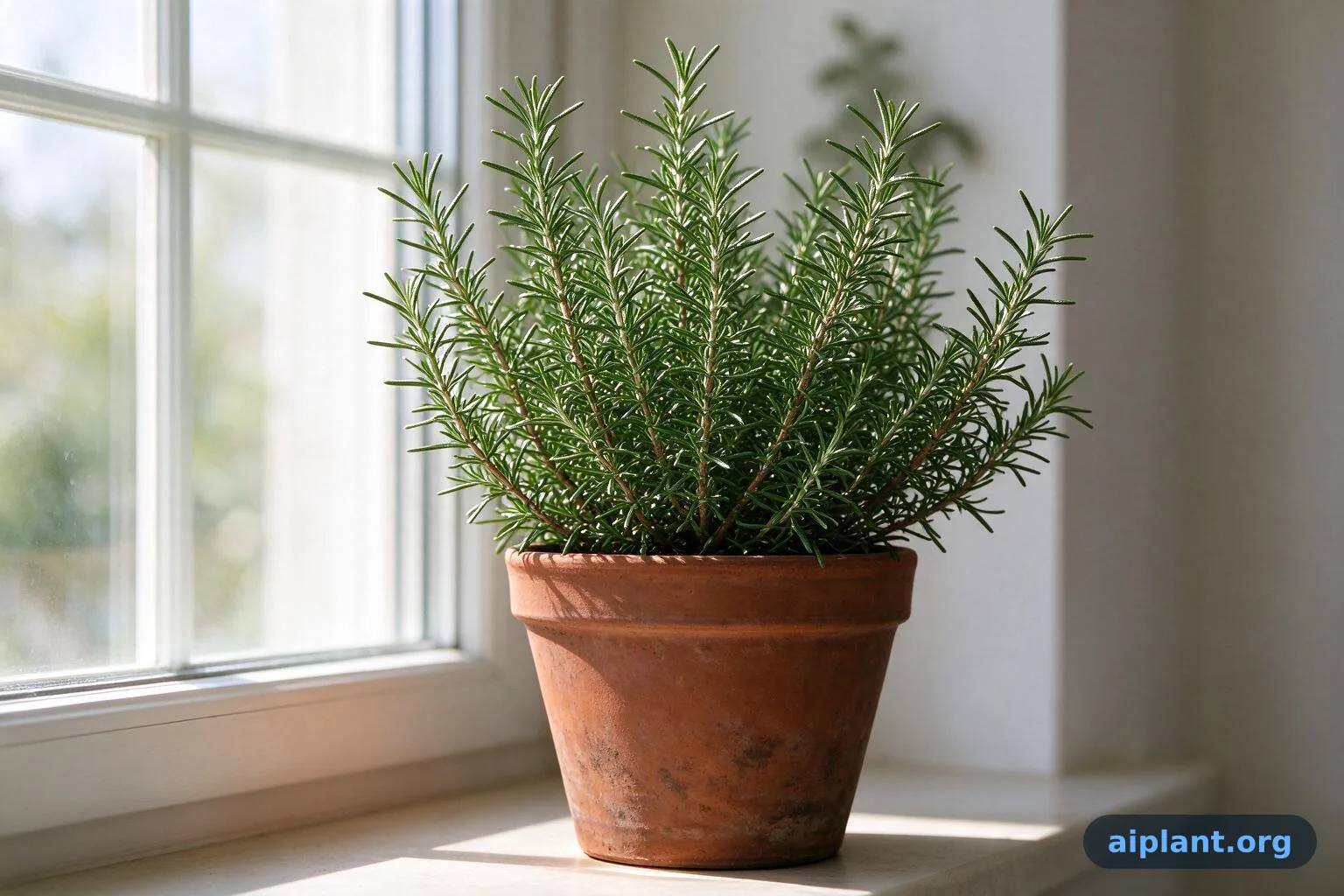
Rosemary Bloom Problems at a Glance
- The most common cause of no flowers is too little direct sun: rosemary needs at least 6 hours of full sun a day.
- Hard pruning in late summer or autumn removes the flowering wood, so the plant spends the next season regrowing instead of blooming.
- Cold damage or dry roots in winter can kill the flower buds; protect plants below -5 °C (23 °F) and water sparingly but never let pots dry out completely.
- A leggy, bare rosemary is often an old plant that needs a gentle renewal prune in spring, not a hard cut.
- Healthy rosemary usually flowers in late spring to early summer; if it has never flowered, check light, age and pruning timing first.
Rosemary Symptom Check: What the Plant Is Telling You
Rosemary that fails to flower usually shows one or more other symptoms first, and matching what you see to the cause is faster than guessing. Use the table below as an index, then read the detailed fix under each symptom heading. Affected leaves are still safe to eat or use: wash them in cool water, trim away brown or damaged parts, and use the healthy green growth as normal. Do not eat leaves that are mouldy or slimy.
Pale, sparse growth with no flower buds
A rosemary in deep shade or indoors behind glass grows thin, pale stems and produces few or no flower buds. The plant is surviving but not getting enough energy to flower. Move it to a spot with at least 6 hours of direct sun, or supplement with a grow light for 12–14 hours a day if growing indoors.
Tall, bare stems with flowers only at the tips
A leggy rosemary that has been sheared only at the top or never pruned puts its energy into height. The flowering wood is at the tips, and the old bare stems below never branch. The fix is a renewal prune in early spring, cutting back to a pair of healthy side shoots rather than into bare wood.
Brown, crispy tips after a cold night
Cold damage shows as brown, brittle leaf tips and stems, often on the side facing the wind. Rosemary is hardy to about -10 °C (14 °F) in well-drained soil but suffers below -5 °C (23 °F) in wet or exposed conditions. Wait until new growth appears in spring before pruning, then cut back to green wood.
Sticky leaves with fine webbing underneath
Spider mites thrive in dry indoor air and cause pale stippling on rosemary leaves, with fine webbing on the undersides. Rinse the plant with a strong jet of water, raise humidity around it, and repeat every 5–7 days until no webbing appears on a fresh check.
Mushy stems at the soil line
Overwatering or poor drainage causes root rot, which shows as black, mushy stems at the base and yellowing leaves. Stop watering, repot into a gritty mix if the plant is in a pot, and cut away soft roots with clean secateurs before replanting in fresh, free-draining compost.
Rosemary Symptom, Likely Cause and First Action
Why Rosemary Flowers Drop Before They Open
Flower buds that shrivel and drop before opening usually mean the plant ran out of water or was hit by a sudden cold snap while buds were forming. Rosemary is drought-tolerant once established, but buds are the most water-sensitive part of the plant. A pot that dries out completely for even two or three days in late spring can cause the whole flower spike to abort.
Dry roots during bud formation
Check the soil at 5 cm (2 inches) depth: if it is dry and crumbly, the plant is stressed. Water deeply until it runs from the drainage holes, then let the top 3 cm (1 inch) dry before watering again. In pots, this may mean watering every 2–3 days in warm weather.
A late cold snap
Buds that turn brown and drop after a night below 0 °C (32 °F) are cold-damaged. Cover the plant with horticultural fleece on frosty nights, or move pots under shelter. Do not prune the damaged tips until new growth appears in spring, because the old wood protects the lower buds.
Sudden change in position
Moving a rosemary from indoors to full sun, or from shade to sun, can cause bud drop through stress. Harden it off over 7–10 days by placing it in morning sun first, then full sun, before leaving it out permanently.
Rosemary Bud Drop: Cause and Timing
Rosemary Growing Tall and Leggy With No Side Shoots
A rosemary that grows tall and bare with no side shoots is usually a plant that was never pruned, or was sheared only at the tips so the lower stems stayed leafless. Rosemary naturally grows into a shrub, but in pots or shady spots it stretches upward looking for light. The remedy is a spring cut that redirects energy into branching rather than height.
Why leggy growth happens
Rosemary puts on most growth in spring and early summer. Without pinching or pruning, the stems lengthen and the lower leaves age and drop, leaving bare wood. A plant in too little light stretches even faster, with long gaps between leaf pairs.
How to get a leggy rosemary bushy again
- Prune in early spring: Cut each long stem back by about one-third, making the cut just above a pair of healthy side shoots, so the plant redirects energy into branching rather than height.
- Pinch the tips through summer: Remove the top 2–3 cm (about 1 inch) of each new shoot every few weeks, which encourages side shoots and keeps the plant dense.
- Feed lightly after pruning: Apply a balanced liquid feed at half strength once in spring, then stop, because too much nitrogen produces soft, leggy growth instead of flowers.
- Move the plant into more sun: If the plant is in shade, relocate it to a brighter position where it receives at least 6 hours of direct sunlight daily, since light is what keeps the internodes short and the growth compact.
When to start over
If the stems are bare and woody for most of their length and the plant has not produced new side shoots after a spring prune, take cuttings from the healthy tips and start a new plant. Old rosemary that has been cut back into bare wood often does not regrow.
Rosemary Pruning Cuts by Stem Type
Rosemary Cuttings That Rot in Water Instead of Rooting
Rosemary cuttings often fail in water because the stems are too soft or the water goes stale, and the cut end rots before roots form. Rosemary roots slowly, and a cutting sitting in water for weeks with no roots is more likely to decay than to root. The reliable method is semi-ripe cuttings taken in late spring or early summer and rooted in a gritty, free-draining mix.
When to take rosemary cuttings
The best time is late spring to early summer, when new growth has firmed up but is not yet woody. Take cuttings 10–15 cm (4–6 inches) long from healthy, non-flowering shoots. Avoid taking cuttings from a plant that is flowering, because the cutting puts energy into the flower rather than roots.
How to root rosemary cuttings
- Prepare the cutting: Strip the leaves from the bottom 5 cm (2 inches) of the stem, dip the cut end in rooting hormone if you have it, and remove any flower buds.
- Insert into gritty mix: Push the cutting into a pot of half compost and half perlite or sharp sand, so the mix drains freely and the stem does not sit wet.
- Keep humid but not soggy: Cover the pot with a clear plastic bag, keep it at 18–22 °C (64–72 °F) in bright indirect light, and open the bag for a few minutes every few days to let air in.
- Test for roots after 4–6 weeks: Tug the cutting gently; if it resists, roots have formed. Pot it on into a larger pot and move it gradually into full sun.
Why water rooting fails
Water roots are fragile and adapt poorly to soil, and stale water grows bacteria that rot the stem. If you want to try water, change it every 2–3 days and pot the cutting as soon as roots are 2–3 cm (about 1 inch) long, but the gritty-mix method gives a much higher success rate.
Rosemary Propagation Methods Compared
Rosemary After a Cold Night: Brown, Crispy Damage
Brown, crispy rosemary after a cold night is cold damage, and the plant is often still alive underneath. Rosemary tolerates winter cold best in free-draining soil, but it suffers below -5 °C (23 °F) when the soil is wet or the plant is exposed to wind. The damaged tips turn brown and brittle within days, while the lower stems may stay green.
What cold damage looks like
Damage usually starts on the outer tips and the windward side, turning leaves brown and dry while the inner stems stay green. Scratch the bark lightly with a fingernail: green underneath means the stem is alive, brown and dry means it is dead.
How to help a cold-damaged rosemary recover
- Wait before pruning: Leave the damaged growth in place until new shoots appear in spring, because the dead tips insulate the living wood below them.
- Cut back to green wood: In spring, prune each damaged stem back to where the bark is green and a healthy side shoot is visible, making the cut just above that shoot.
- Improve drainage and shelter: Move pots against a south-facing wall or onto pot feet, and add grit to the soil surface, so winter wet drains away instead of freezing around the roots.
- Water sparingly in winter: Water only when the soil is dry at 5 cm (2 inches), because wet soil in cold weather is what kills rosemary more often than cold alone.
When to replace the plant
If the stems are brown and brittle all the way to the soil line and no green shows when you scratch the bark in spring, the plant has died and is best replaced. Take cuttings from any green stems before discarding it.
Rosemary Cold Tolerance by Condition
Rosemary Care That Keeps It Blooming Year After Year
Rosemary flowers best when it is grown in full sun, in free-draining soil, and pruned lightly after flowering rather than hard in autumn. The plant blooms on the previous season's growth, so the care you give in summer and winter decides whether you get flowers next spring.
Light and position
Rosemary needs at least 6 hours of direct sun a day, and more is better. Outdoors, plant it against a south- or west-facing wall for warmth and shelter. Indoors, place it at the brightest window and run supplementary lighting for 12–14 hours daily through winter if the plant stretches.
Watering and drainage
Water deeply when the top 3 cm (1 inch) of soil feels dry, then let it drain. In the ground, rosemary rarely needs watering after the first year except in long dry spells. In pots, water every 2–3 days in summer and much less in winter, when the soil should be barely moist. Use a pot with drainage holes and a gritty mix.
Soil and feeding
Rosemary prefers a pH of 6.0–7.5 and free-draining soil. It does not need rich compost; too much nitrogen produces leafy growth at the expense of flowers. A single spring dose of balanced feed at half strength is enough, and nothing more is needed after midsummer.
Temperature and winter
In colder areas, grow it in a pot and move it under cover before the first hard frost. Keep winter watering minimal and improve airflow to prevent mould.
Harvesting and drying
Harvest rosemary in the morning after dew has dried, taking no more than one-third of the growth at a time. For the best flavour, harvest before the plant flowers, when the oils are strongest. To dry, tie small bunches and hang them in a dark, dry, airy place for 1–2 weeks, or spread sprigs on a screen. Store dried leaves in an airtight jar in a dark cupboard, and check that the leaves are fully dry before sealing, because any moisture left in the jar causes mould.
Rosemary Quick Care Facts
Rosemary Care Card
- Part Used
- Leaves and young stems
- When to Harvest
- Morning, before flowering, one-third max
- How to Dry
- Hang bunches in dark, dry, airy place 1–2 weeks
- Storage Life
- Airtight jar, dark cupboard, fully dry
- Light
- 6+ hours direct sun
- Water
- When top 3 cm (1 inch) dry
Dried Rosemary That Turns Mouldy in the Jar
Dried rosemary turns mouldy in the jar when the leaves were not fully dry before sealing, or when the jar was stored somewhere warm and humid. Mould shows as white or grey fuzz, a musty smell, or damp patches on the leaves, and the whole jar should be discarded because mould spores spread through the batch.
How to tell if rosemary is fully dry
A fully dry rosemary leaf crumbles easily between your fingers and snaps rather than bending. If the stem is still flexible, the leaves still hold moisture. Dry the bunches for 1–2 weeks, then test a few leaves before storing; if they bend, leave them for another few days.
How to store dried rosemary
Store the fully dry leaves whole in an airtight glass jar, in a dark cupboard away from the stove and kettle, because steam and warmth cause condensation inside the jar. Keep the jar sealed and check it after a week: if moisture appears on the glass, empty the jar and dry the leaves further before resealing.
Why mould returns
Mould can also appear if you add freshly dried rosemary to a jar that still holds older, damper leaves. Empty and wash the jar, dry it completely, and start a fresh batch rather than topping up an old one.
Rosemary Drying and Storage Checks
Rosemary Look-Alikes and Who Should Be Careful
Rosemary is easy to recognise by its needle-like leaves with pale undersides and its woody stems, but a few other herbs look similar and are worth telling apart. Lavender has softer, greyer leaves and a sweeter scent, while winter savory has smaller, flatter leaves and a peppery taste. Neither is a substitute for rosemary in cooking, and neither shares its exact growing needs.
Who should be careful with rosemary
Rosemary is a common culinary herb, but people who are pregnant or breastfeeding, children, and anyone taking medication should ask a doctor or pharmacist before using it in large amounts or as a concentrated tea. Rosemary is traditionally used in cooking and commonly brewed as a tea in small quantities, but it should not replace medical advice. People with sensitive skin may find the essential oil irritating, so dilute it before use.
Using rosemary in the kitchen
Use fresh leaves finely chopped in stuffings, roasts and breads, or add whole sprigs to oils and stews and remove them before serving. Dried leaves are stronger and should be used more sparingly. A simple tea is made by steeping a small sprig in hot water for 3–5 minutes, traditionally taken after meals.
Rosemary flowering, pruning and propagation FAQs
How do I overwinter a potted rosemary indoors without it dropping leaves?
Overwintering a potted rosemary indoors without leaf drop depends on light and airflow more than warmth. Place it at the brightest window and run a grow light for 12–14 hours daily if stems stretch, since thin pale growth signals too little sun. Keep it airy and cool rather than hot, water only when the top 3 cm (1 inch) of soil is dry, and rinse leaves to deter spider mites, which thrive in dry indoor air.
Can I grow rosemary from seed, and how long does it take to germinate?
Yes, but germination is slow and unreliable, so expect low and uneven results rather than a quick crop. Sow fresh seed in spring in a gritty, free-draining mix and keep it warm and lightly moist; the article rates seed as low and slow compared with semi-ripe cuttings in late spring to early summer. Take cuttings instead if you want a plant that matches the parent and roots more dependably.
Why are the lower leaves on my rosemary turning yellow and dropping?
Yellowing lower leaves usually point to root rot from overwet soil or poor drainage, especially if stems at the soil line feel black and mushy. Stop watering, check drainage holes, and repot into a gritty mix, cutting away soft roots with clean secateurs. Ageing lower leaves also drop naturally as stems lengthen, but mushy bases mean the plant is staying too wet.
How often should I repot a container-grown rosemary, and what pot size does it need?
Repot when roots crowd the drainage holes or the gritty mix has broken down, moving up only one pot size rather than into a large jump. Rosemary flowers best in free-draining soil and does not need rich compost, so choose a pot with drainage holes that fits the rootball with a little room. Too much nitrogen from fresh rich compost pushes soft leafy growth at the expense of flowers.
Can I grow rosemary in a humid climate or bathroom window, and what problems should I expect?
Rosemary can survive in a humid bathroom window, but expect problems: poor airflow and mites cause flower buds to drop, and damp still air encourages mould. It also needs at least 6 hours of direct sun, which most bathrooms lack, so growth turns thin and pale. Increase airflow, rinse leaves for mites, and move it to a brighter spot if it stretches.
Why does my rosemary have a weak flavour compared with shop-bought bunches?
Weak flavour usually means the leaves were cut at the wrong stage or dried poorly, not that the plant is inferior. Oils peak before flowering, so sprigs taken in the morning after dew lifts taste stronger than woody growth cut later. Fresh bunches also lose aroma fast once chopped, so crush leaves just before use and taste a leaf first to judge strength.
Related articles

Why Is My Echinacea Not Flowering or Dropping Buds?
Find the cause in minutes and get your echinacea blooming again.
Kalanchoe Only Growing Leggy with No Buds?
Three Key Steps to Rebloom
Tiny White Bugs and Sticky Leaves on African Violet?
Find the pest or disease behind the mess and fix it before rot spreads.
Amaryllis Leaves Turning Yellow and Drooping: What to Fix First
Find the cause fast and keep the bulb alive for next year's blooms.