
Caraway Leaves Damaged After Cold Weather: What to Fix First
Tell frost burn from winter rot, then keep the roots alive for seed.
Caraway (Carum carvi) leaves damaged after a cold night are usually frost-burned at the tips, not dead at the root, and the fix depends on which symptom you see. This biennial herb needs a real winter before it bolts into flower, so cold is part of its cycle, but wet soil and sudden freezes still wreck the foliage. The sections below start with a symptom table, then explain each likely cause and the exact action that saves the root and the seed crop.
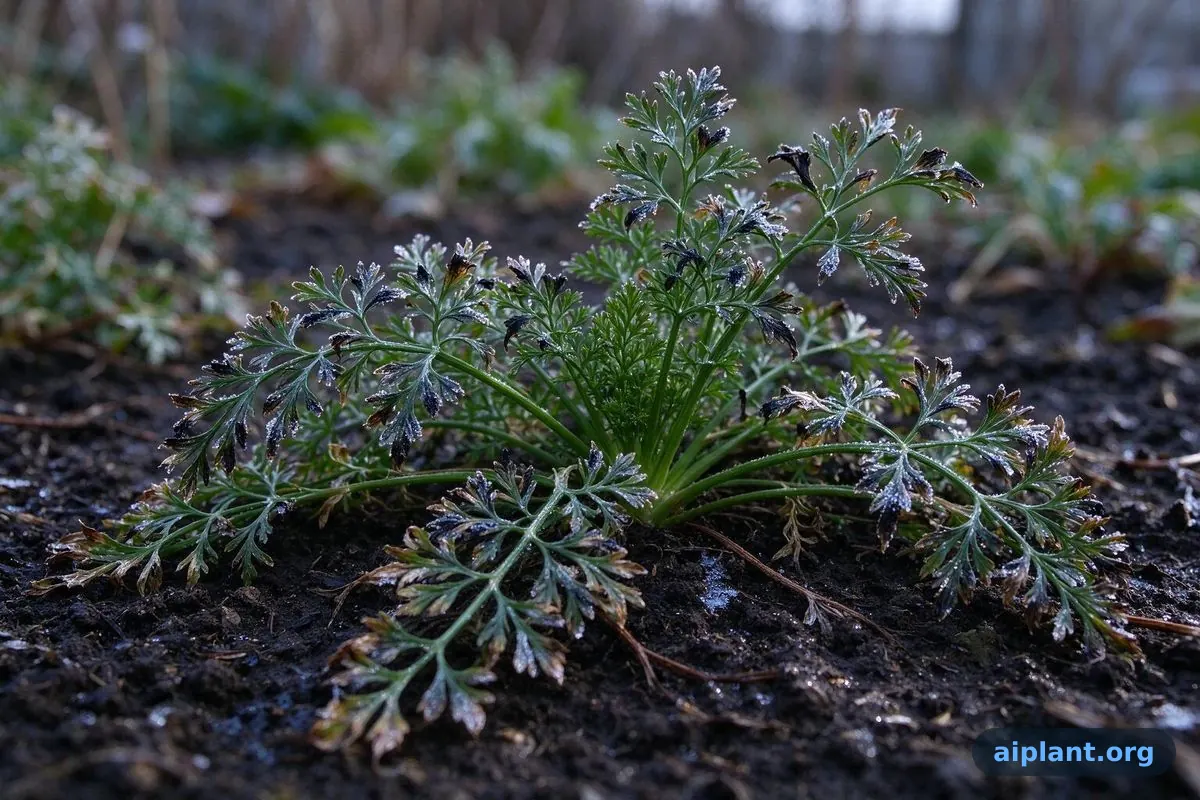
Caraway Cold Damage in Brief
- Caraway tolerates about -15 °C (5 °F) in drained soil; leaves blacken and crisp below -8 °C (18 °F) after a hard, windy night.
- Trim burnt foliage back to healthy green tissue and check the crown: firm and pale means the plant will regrow, mushy and brown means it is rotting.
- Wet, compacted soil in winter kills more Caraway than cold alone, so open drainage before the next freeze.
Caraway Frost Symptoms: Which Damage Needs Action First
Caraway cold damage shows up in a handful of recognisable patterns, and the pattern tells you whether the root is alive. Use the table as an index, then read the symptom that matches what you see for the full cause list and fix.
What You See: Likely Cause: What to Do is replaced by the table below, so go straight to the symptom sub-headings after it.
Blackened, Crisped Leaf Tips After a Freeze
Frost burn is the most common answer to why Caraway leaves look damaged after a cold night. The outer leaflets turn dark olive to black and feel paper-dry, while the inner leaves and crown stay green, because ice crystals rupture the outermost cells first.
- Recognise it by position: damage starts on the tallest, most exposed leaves and on the side facing the wind, and the leaf bases near the crown remain pliable rather than mushy.
- Confirm the root is alive: scrape a little tissue from the crown with a fingernail; pale green or white flesh means the plant is intact, while brown, watery flesh means rot has entered.
- Cut back in stages: remove only the black tissue with clean scissors, leaving green leaflets in place, because those leaves still feed the taproot through winter.
- Hold off on feeding: do not apply nitrogen until new growth appears in spring, since salts push soft growth that the next freeze kills.
Leaves Curling and Crisping at the Tips
Curling with crisp brown tips is usually a water-and-wind problem rather than pure cold. The leaf margins lose moisture faster than the roots replace it when frozen ground blocks uptake or when a cold wind strips the foliage.
- Check soil moisture 3 cm (1 in) down: if it is dry and crumbly, water slowly at midday on a day above 4 °C (39 °F) so the water soaks in before night frost.
- Shield from wind: set a 30 cm (12 in) windbreak of horticultural fleece or a low board on the prevailing side, because wind-driven cold does more margin damage than still air at the same temperature.
- Stop harvesting outer leaves: leave at least six leaves per plant through winter, since each removed leaf reduces the root's stored reserves. Wait until spring growth appears before picking again, so the taproot keeps enough stored energy to survive remaining frosts.
Yellow Leaves Rising From the Bottom Up
Yellowing that starts on the oldest, lowest leaves and moves upward points to root stress or natural ageing, not to frost. Caraway is biennial, so lower leaves yellow and die as the crown prepares for the flowering year.
- Test drainage first: dig a 30 cm (12 in) hole nearby, fill it with water, and if it still holds water after two hours, the site is waterlogged and the taproot is suffocating.
- Lift and inspect if the crown smells sour: a healthy taproot is cream to white and firm; a rotting one is brown and soft, and that plant should be discarded rather than kept.
- Feed lightly in spring only: a balanced feed at half strength once new growth shows corrects genuine nitrogen shortage, which shows as uniformly pale older leaves with green veins.
Drooping the Day After Watering
A plant that wilts harder after watering has roots that cannot take up water, usually from cold, waterlogged soil or from root rot already established. The collapse is a root problem showing in the leaves.
- Feel the soil before adding more water: if it is still wet 5 cm (2 in) down, stop watering and move a container plant under cover so the root zone can dry.
- Check for a sour smell and brown roots: tip a potted plant out gently; firm white roots mean cold shock, while brown slimy roots mean rot, and rot requires removing the affected roots with sterile scissors.
- Keep containers above -5 °C (23 °F): move pots against a wall or into a cold frame, because roots in pots freeze several degrees sooner than roots in open ground.
Mushy Crown and Collapsing Stems at Soil Level
Soft, brown tissue at the crown that collapses when pressed is winter rot, and it is the one symptom that usually ends the plant's life. Cold alone does not cause it; cold plus standing water does.
- Remove the mulch collar: pull back mulch 5 cm (2 in) from the crown so air reaches the soil surface, because a damp collar holds moisture against the stem through winter.
- Open drainage before the next freeze: fork the soil around the plant without lifting it, and add grit to the surface to shed water away from the crown.
- Replace rather than rescue when the crown is fully soft: if the tissue gives way across the whole stem base, the plant will not recover, so sow fresh seed in spring rather than waiting.
Are Damaged Caraway Leaves Still Safe to Eat?
Frost-blackened and yellowed leaves are safe to use once you trim the damaged parts away. Wash them in cool running water, cut off every black, crisp or slimy section, and use only the firm green tissue; discard any leaf that smells sour or feels slippery, because that indicates rot rather than frost. Damaged leaves are best used cooked in the same way as fresh ones, since their texture is softer and their flavour is milder than undamaged foliage.
Caraway Cold-Damage Symptom Check
How Cold Caraway Tolerates Before the Leaves Die Back
Caraway survives winter outdoors in most temperate gardens and dies back to the crown rather than dying outright, but the leaves have a much lower limit than the root. Established plants in well-drained ground come through -15 °C (5 °F) with little more than leaf loss, while seedlings and potted plants are far more exposed.
The Temperature Thresholds That Matter
Leaf damage begins around -8 °C (18 °F) on exposed foliage, and the outer leaves blacken first while the crown and taproot stay insulated by soil and leaf litter. The root itself tolerates roughly -15 °C (5 °F) in open ground, and the practical limit for a container is about -5 °C (23 °F) because the whole root ball freezes. Caraway also needs a cold period of several weeks below about 7 °C (45 °F) to vernalise, which is why a mild winter can leave plants leafy but slow to flower.
Why Wet Soil Kills More Caraway Than Cold
A taproot in saturated soil through winter suffocates and rots at temperatures well above its cold limit. The plant may look frost-damaged above ground while the real problem is a waterlogged crown, so drainage matters more than any fleece or cloche. Plant Caraway on a raised bed or a slope, or fork grit into heavy clay before winter, and never let mulch sit against the crown.
Protecting Plants Through the Coldest Weeks
- Mulch after the ground freezes, not before: a 5 cm (2 in) layer of straw or leaf mould applied once the soil has chilled insulates the crown without trapping autumn rain against it.
- Move containers to a sheltered wall: pots against a south- or west-facing wall stay several degrees warmer, and raising them on feet lets excess water drain away from the root ball.
- Cover only when a hard freeze is forecast: horticultural fleece laid over hoops for the nights below -8 °C (18 °F) prevents leaf blackening, but remove it by mid-morning so damp air does not sit on the foliage.
- Water sparingly in dry, frost-free spells: a winter drought weakens the crown as much as wet soil, so water once if the top 5 cm (2 in) is dry and the day is above 4 °C (39 °F).
When Cold Has Killed the Plant for Good
A Caraway is worth saving while the crown is firm and pale and at least one green shoot remains. Cut losses when the taproot lifts easily with no resistance, the crown is brown and soft across its full width, or the root smells sour; in that case clear the plant out and sow fresh seed, because Caraway grown from spring sowing will flower the following year rather than the same one.
Caraway Cold Limits by Plant Stage
Caraway Care Facts That Prevent Winter Decline
Keeping Caraway healthy through winter is mostly about giving the taproot the right soil, light and spacing before the cold arrives. Caraway grows best at 15–22 °C (59–72 °F), prefers a soil pH of 6.0–7.0, reaches 45–60 cm (18–24 in) tall and 20–30 cm (8–12 in) across, and is usually ready to harvest seed about 90–110 days after flowering begins.
Light and Site for a Strong Crown
Caraway needs full sun, at least six hours a day, to build the root reserves that carry it through winter. Plants in shade grow thin, pale leaves that freeze harder and regrow slower, so move containers into the open and avoid siting them under eaves where they miss both rain and light.
Watering Without Waterlogging
Water Caraway when the top 3 cm (1 in) of soil feels dry, and reduce to occasional checks from late autumn. The taproot stores water, so a plant in open ground rarely needs winter watering except in a long frost-free dry spell, and containers should be allowed to dry slightly between drinks.
Spacing and Air Movement
Space plants 20–30 cm (8–12 in) apart so air moves between them and wet foliage dries quickly. Crowded Caraway holds moisture after rain, which is exactly the condition that turns a cold snap into crown rot, so thin seedlings in autumn rather than waiting for spring.
Feeding for Winter Hardiness
Use a low-nitrogen, potassium-leaning feed in late summer to harden growth before winter, and avoid rich nitrogen feeds after midsummer. Soft, fast-grown leaves are the first to blacken in a freeze, while tougher, slower growth comes through with less damage.
Caraway Quick Care Facts
- Part Used
- Leaves, seeds and taproot
- When to Harvest
- Seed heads when brown, about 90–110 days after flowering
- How to Dry
- Hang cut stems in paper bags, 10–14 days
- Storage Life
- Whole seeds in airtight jars, cool and dark
- Light
- Full sun, at least six hours
- Water
- When the top 3 cm (1 in) is dry
Why Caraway Struggles Through Winter Indoors
Caraway kept indoors over winter usually declines because the air is too warm, too dry and too still, not because it is cold. The taproot wants a cool dormant period, and a heated room pushes soft growth that then collapses when light and humidity cannot keep up.
Warm Rooms Break the Winter Rest
A living room at 20 °C (68 °F) or more keeps Caraway metabolising when it should be resting, so leaves stretch, pale and drop. Move pots to an unheated porch, garage or cool conservatory at 5–10 °C (41–50 °F) where the plant can slow down without freezing, and bring it back into growth in early spring.
Dry Indoor Air Crisps the Leaf Edges
Central heating drops humidity below 30%, and Caraway leaflets lose water faster than the roots replace it, so tips brown and curl even when the soil is damp. Group pots on a pebble tray, keep them away from radiators, and check the soil at 3 cm (1 in) before watering rather than following a fixed schedule.
Weak Winter Light Makes Thin Growth
Indoor Caraway needs the brightest windowsill available, ideally six hours of direct sun, or a grow light for 12–14 hours a day. Without it, new leaves are small, pale and widely spaced on weak stems, and those soft leaves suffer most when the plant finally goes back outside.
Stale Air and Damp Soil Invite Mould
A closed room with a wet pot is the classic setting for grey mould on lower leaves, which appears as a fuzzy grey coating and soft brown patches. Water less often in winter, empty the saucer after 30 minutes, and open a window for an hour on mild days so air moves across the foliage.
When Indoor Caraway Is Not Worth Keeping
If the taproot has softened, the crown smells sour or most leaves have yellowed and dropped with no new shoots, the plant will not recover indoors. Discard it and sow fresh seed in spring, because a spring-sown Caraway will flower and set seed the following year rather than the same one.
Indoor Winter Conditions for Caraway
Harvesting Caraway Seed and Drying It Without Mould
Caraway seed is ready when the seed heads turn brown and the individual seeds darken, usually about 90–110 days after flowering begins. Harvest too early and the seeds are pale and weak in flavour; leave too long and they shatter onto the ground.
Judging the Right Moment
Watch the umbels, the umbrella-like flower heads, and cut them when the stalks are brown but the seeds still cling. A simple test is to rub a head between your palms: if the seeds come away easily and smell strongly of anise, the crop is ready. Cut stems in the morning on a dry day so dew has dried and the seeds are not damp.
Drying in Paper Bags
- Cut the stems long: leave about 20 cm (8 in) of stalk below each head so you have something to tie, and gather a few heads into a loose bundle.
- Hang upside down in a paper bag: place the bundle head-first into a large paper bag, tie the top around the stems, and hang it in a warm, airy room at 20–25 °C (68–77 °F) for 10–14 days. The bag catches the seeds as they drop and keeps dust off them.
- Shake and check: after a week, shake the bag gently each day; when most seeds have fallen and the heads feel dry and brittle, the batch is done.
Finishing and Cleaning the Seed
Rub the dried heads over a tray to release the last seeds, then pick out stems and chaff by hand or with a light breeze. Spread the seed in a single layer for another day or two before storing, because any hidden moisture turns to mould in the jar.
Drying in a Dehydrator or Oven
If the weather is damp, dry the heads on a dehydrator tray at 35–40 °C (95–104 °F) for 6–8 hours, or in an oven on its lowest setting with the door ajar. Keep the temperature below 45 °C (113 °F), because higher heat drives off the aromatic oils that give Caraway its flavour.
Caraway Seed Drying Methods Compared
Why Stored Caraway Seeds Go Mouldy or Lose Their Flavour
Stored Caraway seeds go mouldy when they were not fully dry at packing, and lose flavour when they are kept warm, light or in a loose container. The aromatic oils that give the seed its anise scent evaporate steadily, and moisture left inside the jar feeds mould.
The Crush Test Before Storing
Squeeze a few seeds between your fingers or bite one: a properly dried seed cracks cleanly and is hard, while a soft or chewy seed still holds water. Return any soft batch to the drying tray for another two days before jarring it, because one damp handful can spoil the whole jar.
Airtight, Cool and Dark
Pack whole seeds into small glass jars with tight lids, fill them nearly to the top to leave little air, and store them in a cupboard away from the stove at below 20 °C (68 °F). Whole seed keeps its flavour for about a year; ground seed loses its aroma within a few months, so grind only what you need.
Watch for Mould and Off Smells
Check stored jars monthly and look for a white or grey bloom, clumping seeds or a musty smell. Discard any jar showing mould rather than scraping the top off, because the mould filaments spread through the whole batch, and wash the jar before reusing it.
Freezing for Longer Storage
For a harvest larger than a year's use, freeze whole seed in small freezer bags, pressing out the air first. Frozen Caraway holds its aroma for two years or more, and you can grind it straight from frozen without thawing, which avoids condensation forming on the seed.
Caraway Seed Storage Life by Form
Keeping Caraway From Bolting Before It Forms Seed Heads
Caraway bolts, or runs to flower early, mainly when it is stressed by heat, drought or root disturbance, and bolting is a problem only when you want leaves rather than seed. As a biennial, it is meant to flower in its second year, so early bolting in the first season usually signals stress rather than a natural cycle.
Heat and Dry Soil Trigger the Run to Flower
A sudden spell above 25 °C (77 °F) combined with dry soil pushes Caraway into flowering before it has built a full crown. Water when the top 3 cm (1 in) of soil is dry, mulch with 5 cm (2 in) of straw to keep the roots cool, and sow in early spring or late summer so the plants establish before the hottest weeks.
Disturbing the Taproot Starts Bolting
Caraway has a long taproot that resents being moved, and transplanting or root damage often triggers flowering as a stress response. Sow seed directly where the plants are to grow, thin seedlings to 20–30 cm (8–12 in) apart, and avoid deep hoeing close to the stems.
Rich Nitrogen Delays Flowering but Weakens Flavour
Heavy nitrogen feeding keeps Caraway leafy and can delay flowering, but the leaves become soft and bland and the plants winter badly. Use a balanced feed at half strength in spring, then stop by midsummer so the crown hardens and the natural flowering cycle stays on schedule.
Pinching to Hold Back Early Flower Stems
If a flower stem appears in the first season and you want leaves, pinch it out at the base while it is still short. This buys a few weeks of leaf growth but does not change the biennial cycle, so plan for seed in the second year rather than fighting the plant's nature.
Caraway Bolting Triggers and What to Change
Who Should Be Careful With Caraway
Caraway is a common kitchen herb, but some people should take care before using it in quantity, and anyone in the groups below should ask a doctor or pharmacist first. Culinary amounts in cooking are generally considered safe, while concentrated seed, oil or tea taken regularly deserves more caution.
Pregnancy and Breastfeeding
Caraway seed and Caraway tea are traditionally used to settle digestion, but pregnant and breastfeeding women should ask a doctor or pharmacist before taking them regularly. Use only ordinary cooking amounts unless a health professional advises otherwise, and avoid concentrated Caraway oil during pregnancy.
Children and Concentrated Oils
Children can eat Caraway in normal cooked food, but concentrated Caraway oil should not be given to young children without professional advice. Keep bottles of the essential oil out of reach, because a small swallowed amount is far stronger than the seed used in a recipe.
People Taking Medication
Anyone taking prescription medicines, especially for blood sugar or blood clotting, should check with a doctor or pharmacist before using Caraway regularly as a tea or supplement. Caraway is traditionally used in digestive teas, but it should not replace prescribed treatment, and a pharmacist can confirm whether it fits your current medicines.
Allergy and Sensitive Stomachs
A few people react to Caraway with mouth tingling, rash or stomach upset, and anyone with a known allergy to carrot, celery or fennel should be cautious. Stop using it if symptoms appear, and speak to a pharmacist or doctor if you are unsure whether Caraway belongs in your diet.
Caraway cold damage and winter care: supplemental questions
Can I grow caraway in a pot on a balcony, and what size container does it need?
Yes, caraway can grow in a pot on a balcony, but choose a deep container because it forms a long taproot. A pot at least 30 cm (12 in) deep and wide enough for one plant suits it; space multiple plants 20–30 cm apart. Use free-draining soil, full sun of six hours or more, and raise pots on feet against a sheltered wall, since container roots freeze near -5 °C (23 °F).
How do I divide or propagate caraway, and does it survive being moved?
Caraway is best raised from seed sown directly where it will grow, because the long taproot resents disturbance and moving often triggers early bolting. It is not divided like clump-forming herbs. If a seedling must be moved, transplant it small and keep the root ball intact, but expect slower growth; thinning to 20–30 cm apart is safer than transplanting.
What companion plants grow well with caraway, and which should I avoid?
Good companions are low, shallow-rooted plants that leave the taproot undisturbed and do not crowd airflow, such as lettuce or other salad greens. Avoid tall, sprawling neighbours that shade the six hours of sun caraway needs, and keep strong umbellifer relatives like fennel and dill apart to reduce shared pests. Space plants 20–30 cm apart so wet foliage dries quickly.
How do I stop slugs and aphids damaging caraway without harming the leaves I eat?
Target slugs with evening hand-picking, beer traps or copper barriers around pots, and keep mulch pulled back from the crown so damp shelter is reduced. For aphids, wash colonies off with a firm water spray or use insecticidal soap on the stems, then rinse leaves in cool running water before eating. Harvest only firm green tissue and discard slimy or sour leaves.
Can I harvest caraway leaves in the first year, and how much can I take without killing the plant?
Yes, light picking of first-year caraway leaves is possible, but the plant must keep enough foliage to build its taproot for winter. Take only outer leaves and stop well before the crown thins; a plant stripped hard in year one enters winter weak and may not flower the following season. Harvest in the morning, use firm green leaflets, and leave the growing centre untouched.
Why are my caraway seedlings dying off just after they come up?
Seedlings dying soon after emergence usually point to damping-off from wet, crowded soil or to a root that dried out. Sow thinly, keep the surface just moist rather than soaked, and thin to 20–30 cm apart for airflow. Check the stem base: brown, soft tissue means rot, so remove affected seedlings and improve drainage before resowing.
How do I use caraway root, and when should I lift it?
Caraway root is lifted from second-year plants, traditionally used as a cooked vegetable with a carrot-like flavour. Loosen soil with a fork and lift when the crown is firm; roots from plants kept for seed are usually harvested after seed collection. Wash and scrub them, and discard any root that is brown, soft or sour-smelling rather than using it.
Related articles
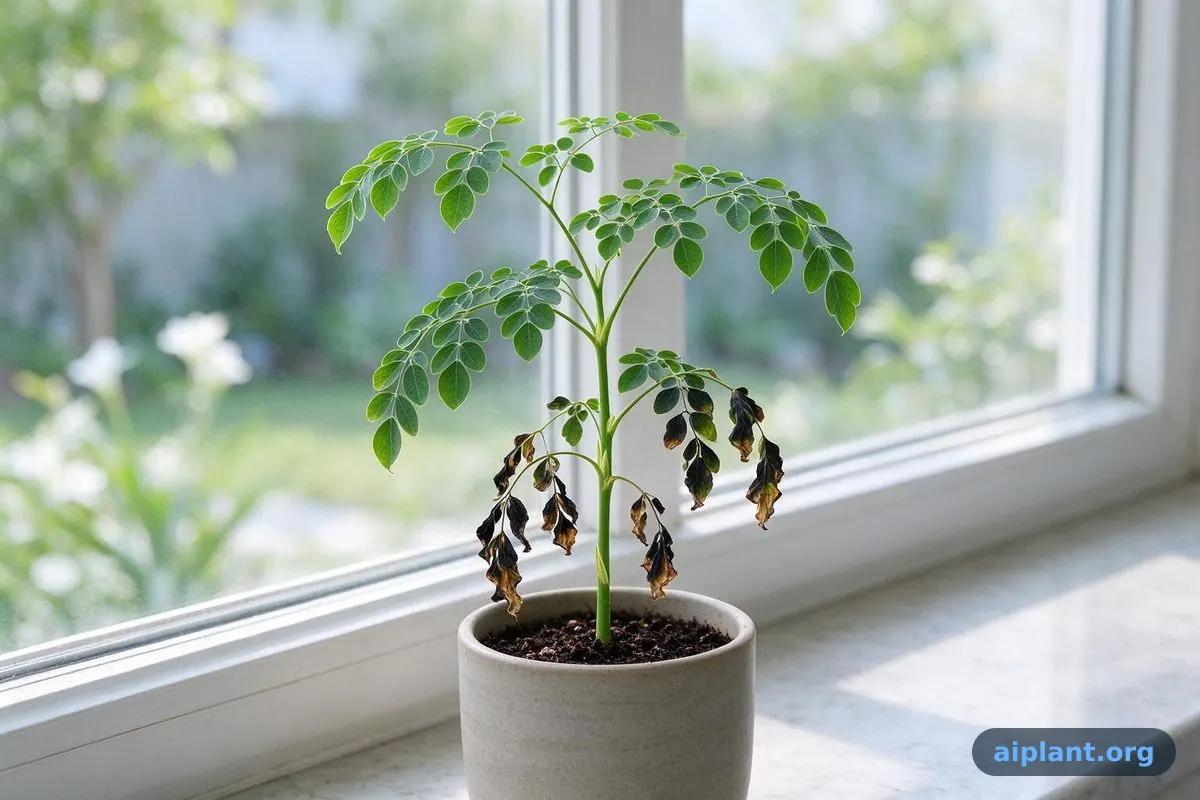
Moringa Leaves Damaged After a Cold Night: Can It Still Be Saved?
Test the trunk, treat the damage, and keep a backup plant growing.
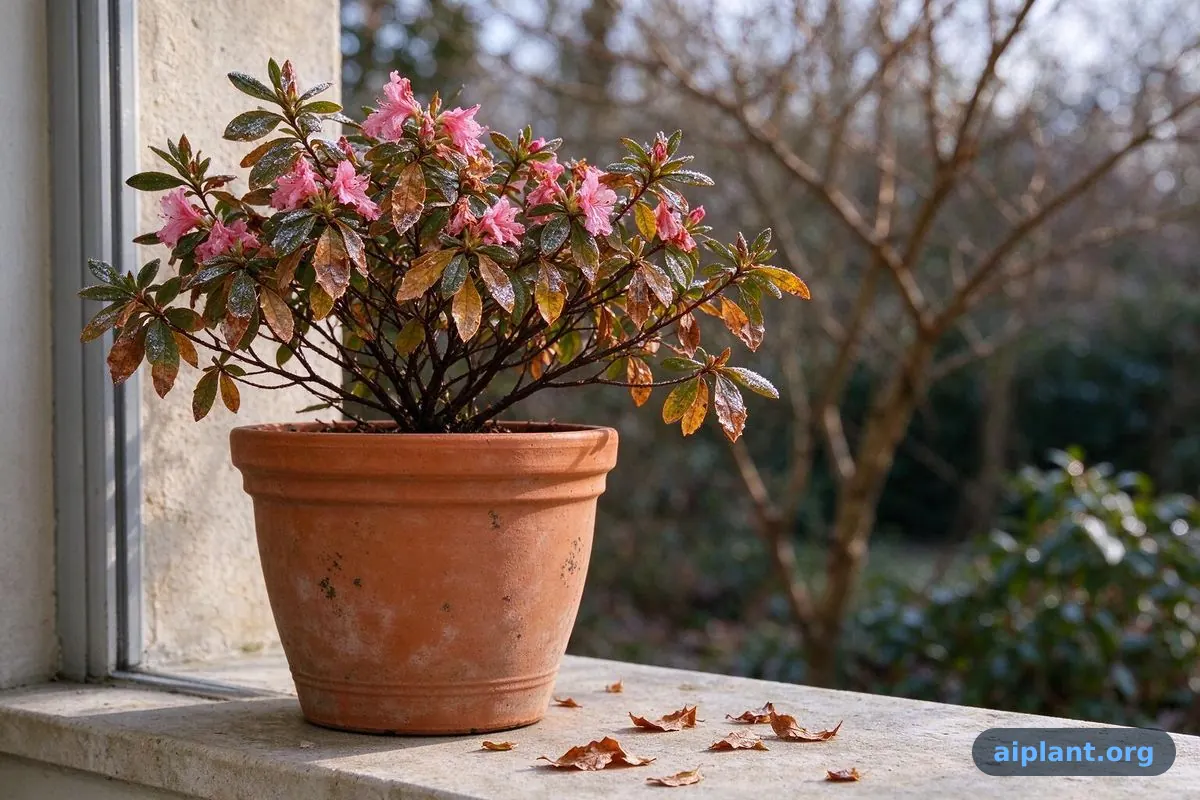
Azalea Leaves Damaged After a Cold Night: Frost Burn or Dieback?
Tell frost burn from real dieback, then help the shrub regrow and bloom again.
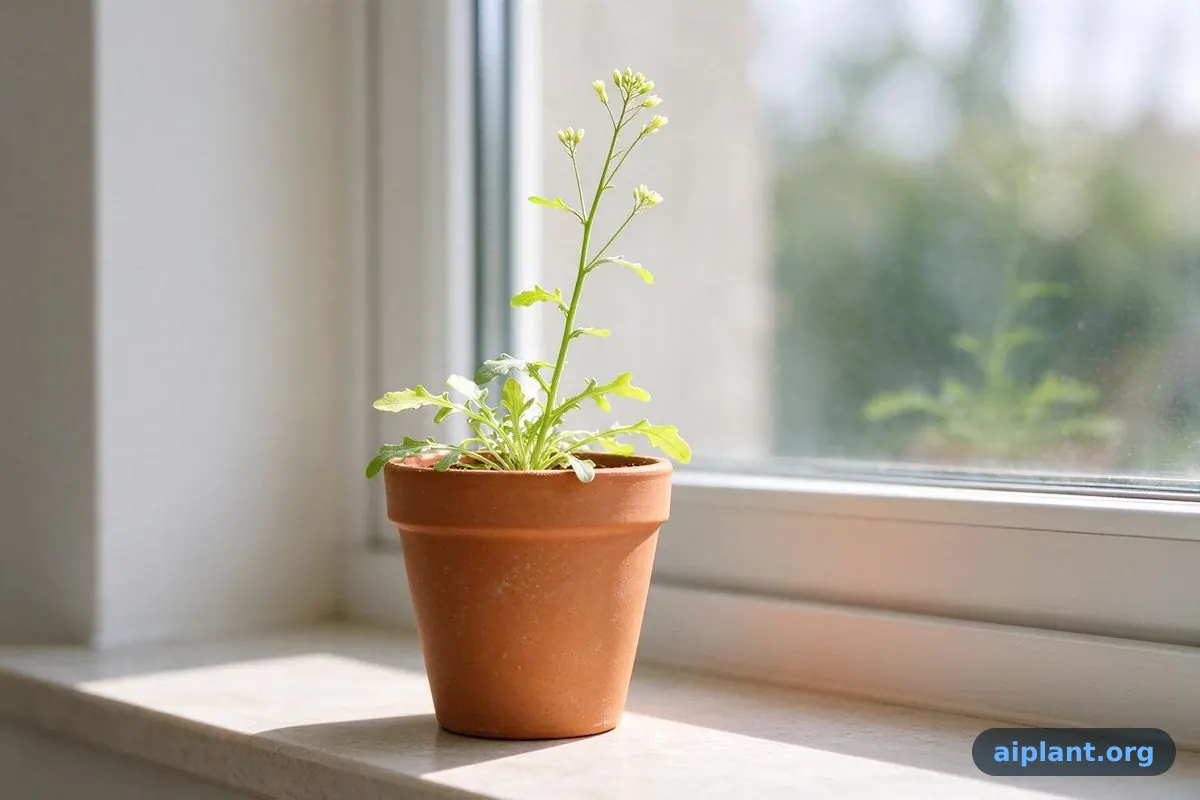
Why Is My Arugula Growing Tall and Leggy Instead of Bushy?
Find the cause, cut it back correctly, and get tender leaves again.
Why Are Basil Leaves Turning Yellow and Drooping?
Find the cause in minutes and get your plant back to steady harvest.