
Chia Stems Stretching and Falling Over? Diagnose and Fix
Find the cause in one look, then pinch and re-light it for a full, harvestable plant.
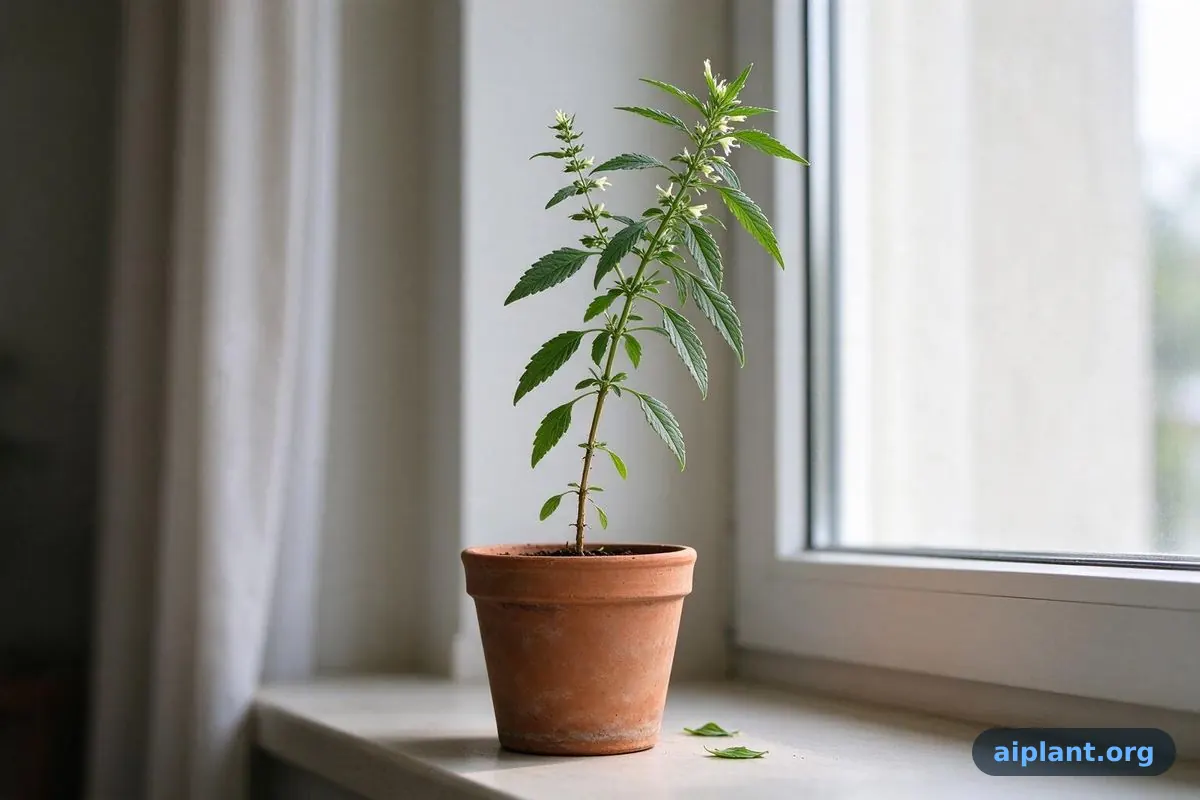
A tall, thin chia stem with a bare lower half is reaching for light or competing with too many neighbours, and it is fixable. Chia (Salvia hispanica) naturally branches when it has strong overhead sun and room to spread, so the answer is to correct the light and spacing first, then pinch the growing tip to force side shoots. This half of the article diagnoses the leggy, sparse and collapsing symptoms and gives the fixes; the growing, harvesting and storage sections follow.
Chia Legginess at a Glance
- Chia grows tall and leggy when it gets under six hours of direct sun or is sown too thickly, so stems stretch and lower leaves shade out.
- Pinch the top 2-3 cm (1 in) of each main stem above a leaf pair once the plant has four true leaves, and side shoots form within about two weeks.
- Thin seedlings to 20-30 cm (8-12 in) apart, keep the plant at 20-30 °C (68-86 °F), and water only when the top 3 cm (1 in) of soil feels dry.
Match the Chia Symptom to the Cause Before You Prune
Chia problems show up first in stem shape and leaf condition, and the table below sorts the common ones by what you actually see. Read the row that matches, then go to the sub-heading for the full fix, because the same pale stem can come from poor light, dense sowing or cold.
Damaged chia leaves are still safe to eat once you wash them and trim away brown or mushy edges; discard any leaf that smells sour or has mould. If the plant is still worth saving depends on the stem: a firm green or purple-green stem with live leaves at the top will recover, while a black, soft stem at the soil line means start again from seed.
Tall, Thin and Bare With No Side Shoots
A chia stem that stretches with wide gaps between leaf pairs is etiolated, meaning it grew fast in search of light and never triggered branching. The most common cause is a windowsill that gives four hours or less of direct sun, followed by sowing seed in a clump so each seedling shades its neighbours. The fix is to move the plant to a spot with six or more hours of direct sun and to pinch the growing tip.
- Pinch the growing tip: once the plant has at least four true leaves, pinch off the top 2-3 cm (1 in) just above a leaf pair with clean fingers, which removes the growth hormone source and pushes the two buds below into side shoots; expect visible new shoots within about two weeks.
- Thin the stand: leave one seedling every 20-30 cm (8-12 in) in a row or one per 20 cm (8 in) pot, because chia sown at 2-3 cm spacing competes for light and every stem stretches; snip extras at soil level rather than pulling, which disturbs the roots of the keeper.
- Turn the pot weekly: rotate a container a quarter turn every week so all sides receive direct sun, since a plant left facing one window leans and drops the shaded lower leaves.
Chia Seedlings Growing Tall and Falling Over
A seedling that shoots up and flops is damping off or stretching, and the two look different up close. Damping-off seedlings have a pinched, water-soaked stem right at the soil line and collapse within a day or two, while stretched seedlings stay firm but lean toward the light. Damping off comes from cold, wet, still air; stretching comes from dim light and warm indoor temperatures.
- Sow thinly and surface-sow: press chia seed onto moist soil without burying it, because the seed needs light to germinate, and keep only one seedling per 5 cm (2 in) at first; crowded trays stay humid and invite damping off.
- Lower the temperature and raise the light: keep seedlings at 20-24 °C (68-75 °F) under a grow light 10-15 cm (4-6 in) above the leaves for 14-16 hours a day, which keeps stems short and sturdy instead of reaching.
- Water from below: set the tray in 2 cm (0.8 in) of water for ten minutes and then drain it, so the surface stays drier and the stem base is not constantly wet; a seedling that still flops after these changes is unlikely to recover and is best replaced.
Leaves Curling and Crisping at the Tips Indoors
Crisp leaf edges on an indoor chia come from dry air, hot glass or a salt buildup in the pot, in that order of likelihood. Chia grows best at 20-30 °C (68-86 °F) and tolerates dry air better than most herbs, but a leaf touching a south-facing window in summer can reach far above that and scorch.
- Move it off the hot glass: keep leaves at least 15 cm (6 in) back from the pane, because direct contact with sun-heated glass burns the edge tissue while the rest of the leaf stays green.
- Flush the pot monthly: run 2-3 pot volumes of water through the soil and let it drain away, which leaches accumulated fertilizer salts that draw water out of leaf tips.
- Group plants or use a pebble tray: place the pot among other plants or on a tray of wet pebbles so local humidity rises, since indoor air below about 40% relative humidity pulls moisture from thin chia leaves.
Drooping Right After Watering
A chia that wilts the moment it is watered is sitting in saturated soil, not suffering from thirst. Roots need air, and in a pot without free drainage the water pushes air out of the pore spaces, so the plant cannot take up what is around it and the leaves go limp. Check the drainage holes first, then the soil mix.
- Test the drainage: water until it runs from the base, and if nothing comes out within a minute, the holes are blocked or the pot is sitting flat on a saucer; raise the pot on feet and clear the holes.
- Let the top layer dry: water only when the top 3 cm (1 in) of soil feels dry to a finger, which in a 20 cm (8 in) pot is roughly every three to five days in summer and weekly in winter.
- Repot into a freer mix if it stays wet: use a mix with about one-third perlite or coarse grit so excess water drains within seconds, and never leave the pot standing in water for more than ten minutes.
Dark, Soft Leaves After a Cold Night
Chia is tender and damaged below about 10 °C (50 °F), with leaves turning dark, limp and translucent after a cold night. It recovers from light damage but not from a frozen stem, so the test is the stem, not the leaves: scratch a lower stem lightly and look for green tissue under the surface.
- Move it somewhere warmer first: bring the pot to 20-24 °C (68-75 °F) in bright indirect light and wait a week before cutting anything, because tissue that looks dead may still push new growth from the nodes.
- Trim only mushy tissue: cut back to firm green stem with clean scissors, since soft black tissue invites rot that spreads down into healthy wood.
- Keep it above 10 °C (50 °F) from then on: chia has no frost tolerance, so in cool climates grow it as a summer annual or bring containers in before the first cold night.
Chia Symptom, Likely Cause and First Fix
What Chia Is and How to Tell It From Look-Alikes
Chia (Salvia hispanica) is a summer annual in the mint family, grown for its small grey-brown seeds and its mild leafy greens, and it reaches roughly 60-100 cm (24-40 in) tall in a single season. It has opposite leaves with slightly toothed edges, a square stem, and spikes of small blue-purple flowers that open from midsummer.
The Leaves and Stem That Identify Chia
Chia leaves are oval to lance-shaped, 4-8 cm (1.5-3 in) long, softly hairy and arranged in opposite pairs up a square stem. Crushed leaves have a faint minty-green scent rather than a strong culinary aroma, which separates it from basil and mint at the seedling stage.
Look-Alikes That Are Not Chia
Several plants are sold or mistaken as chia, and the differences matter because only chia gives the familiar seed. The table below compares the ones a grower is most likely to meet.
Where Chia Grows Best Outdoors and In
Chia wants full sun and warmth, and it yields seed only where the season stays warm for about 100-150 days. Outdoors, sow after the last frost when soil is above 15 °C (59 °F), space plants 20-30 cm (8-12 in) apart, and expect flowering about 60-90 days from sowing with seed ready roughly 30-40 days after that.
Soil and Drainage That Prevent Weak Stems
Chia tolerates poor soil but not wet soil, and it grows best at a pH of 6.0-7.5. Loose, sandy loam with free drainage keeps stems firm; heavy clay holds water against the crown and produces pale, soft growth that flops.
Chia Versus Common Look-Alikes
Chia Quick Care Facts
- Part Used
- Leaves from 40 days; seed 100-150 days
- When to Harvest
- Cut leaf tips young; gather seed when spikes brown
- How to Dry
- Hang stems in a dark, airy room
- Storage Life
- Airtight jar, cool and dark
- Light
- Six or more hours of direct sun
- Water
- When the top 3 cm (1 in) feels dry
Sun, Water and Warmth That Keep Chia From Reaching Again
Six hours of direct sun is the minimum that stops the stretch: chia evolved in full sun, and anything less than six hours of direct light each day leaves the stem reaching upward with wide gaps between leaf pairs. Indoors, place the pot in the brightest south- or west-facing window you have, or run a grow light 10-15 cm (4-6 in) above the leaves for 14-16 hours a day; outdoors, choose a bed that is not shaded by a wall or tree for the middle of the day.
Water deeply but let the top layer dry: chia is drought-tolerant once established, and its roots rot in constantly wet soil. Water until it drains from the pot, then wait until the top 2-3 cm (1 in) feels dry before watering again.
Keep the root zone warm and the air moving: chia grows best between 20-30 °C (68-86 °F) and stops growing below about 15 °C (59 °F), so cold soil in spring produces slow, weak stems. Wait until soil is above 15 °C (59 °F) before sowing outdoors, and indoors keep the pot away from cold windowsills at night and from draughts that chill the roots.
Feed lightly and only after the plant is established: too much nitrogen pushes soft, floppy growth that falls over, which is the opposite of the bushy habit you want. A single light feed of a balanced liquid fertilizer at half strength about four weeks after sowing is enough in poor soil; rich potting mix usually needs nothing at all, and excess salts show up as crisp leaf tips.
Give each plant its own space: chia sown or planted closer than 20-30 cm (8-12 in) shades its neighbours, and every stem stretches toward the light while the lower leaves drop. Thin seedlings to that spacing once they have two true leaves, and in containers grow one plant per 20 cm (8 in) pot so light reaches the whole stem.
A support stake buys time but does not fix the cause: a leggy chia that already leans can be looped loosely to a bamboo cane with soft twine, which keeps the stem upright while new side shoots develop after pinching. Remove the stake once the plant holds itself, because a stem tied permanently stays thin and depends on the support.
Chia Watering by Season and Setting
Pests and Diseases That Thin Out a Chia Stand
Spider mites are the most common indoor pest of chia: they are tiny, pale and almost invisible until fine webbing appears on the undersides of leaves, which then turn speckled and dry. They thrive in warm, dry indoor air, so raise humidity around the pot and wash the leaf undersides with a firm jet of water every five days until no webbing or specks remain; for a heavy infestation, apply insecticidal soap to the undersides in the evening and repeat after a week.
Aphids cluster on new shoots and flower spikes: these small green or black insects sit in dense groups and cause curled, sticky new growth. Knock them off with water, or wipe them away with a damp cloth, and check the growing tips weekly because aphids reproduce fast in warm weather; a strong jet every few days usually keeps them below damaging numbers outdoors.
Whitefly rises in a cloud when the plant is disturbed: the adults are tiny white insects and the nymphs sit on leaf undersides, leaving sticky honeydew that attracts sooty mould. Hang a yellow sticky trap near the plant to catch adults, and wash the undersides of leaves with soapy water every week until no whiteflies fly up when you brush the foliage.
Damping off kills seedlings at the soil line: a seedling collapses with a pinched, water-soaked stem because cold, wet, still soil lets soil fungi attack the stem base. Prevent it by sowing thinly, watering from below, and keeping the surface dry between waterings; once a seedling has collapsed, remove it with the surrounding soil and do not replant in the same spot.
Root rot follows waterlogged soil and shows as yellowing from the bottom up: chia roots need air, and in a pot without free drainage or in heavy clay the roots suffocate and rot. Lift the plant and check the roots: firm white roots are healthy, while brown, soft roots that smell sour mean rot, so cut away the damaged roots, repot into a freer mix, and water less often.
Powdery mildew appears as a white dusting on leaves in still, humid air: it is more common in crowded stands where air cannot move between plants. Thin the plants to 20-30 cm (8-12 in) apart, water at the base rather than over the leaves, and remove affected leaves; improve airflow and the mildew usually stops spreading.
Cutworms and slugs take seedlings overnight: a stem cut clean at soil level or a slime trail points to these pests. Set a collar of cardboard around each seedling base, hand-pick at dusk, and keep the bed free of damp debris where they hide during the day.
Chia Pest and Disease Signs at a Glance
Taking Chia Cuttings and Saving Your Own Seed
Cuttings root quickly from soft stem tips in warm weather: take a 10-15 cm (4-6 in) cutting from a healthy non-flowering stem, strip the lower leaves, and push the cut end into moist free-draining mix so at least two nodes are buried. Keep it at 20-24 °C (68-75 °F) in bright indirect light and roots usually form within two to three weeks; a gentle tug that meets resistance means it has rooted.
Saving seed is the reliable way to keep chia year after year: chia is an annual, so the plant dies after setting seed, and the seed you save is the next season's crop. Let the flower spikes mature on the plant until the calyces dry and turn brown, then cut the stems and finish drying them indoors.
- Choose the best plants: mark the bushiest, earliest-flowering plants and save seed from those, because seed saved from a leggy, late plant passes on the same weak habit.
- Harvest when the spikes are dry: cut the seed heads when the calyces turn brown and the seed rattles inside, usually 30-40 days after flowering, and bring them indoors before rain can spoil them.
- Rub and winnow: rub the dry spikes between your hands over a bowl to release the small grey-brown seeds, then pour them gently from one bowl to another in a light breeze so the chaff blows away.
- Dry before storing: spread the cleaned seed on a tray in a dry room for two or three days until a seed crushed between fingernails is hard and dry, then store it in a labelled airtight jar.
Seed stays viable for several years when kept cool and dry: germination drops sharply if seed is stored warm or damp, so keep the jar in a cool, dark cupboard and test a few seeds on damp paper before sowing a whole bed. If fewer than half the test seeds sprout within two weeks, sow thicker or buy fresh seed.
When to Pick Chia Leaves and How to Gather the Seed
Pick leaf tips young and often to keep the plant bushy: start taking the top 5-8 cm (2-3 in) of leafy stems once the plant is about 20 cm (8 in) tall, around 40 days from sowing, and never strip more than a third of the foliage at one time. Regular picking removes the growing tip, which is the same effect as pinching and pushes side shoots, so harvesting and shaping are the same job.
Harvest leaves in the morning for the best flavour: cut them before the heat of the day, when the leaves are firm and full of moisture, and use them within a few days or dry them for tea. Wash them in cool water and trim any brown edges; damaged leaves are still safe to eat once the damaged parts are removed.
Gather seed only when the spikes are fully dry: seed harvested green will heat and mould in storage, so wait until the calyces turn brown and the seed rattles, roughly 100-150 days from sowing. Cut the whole spike into a paper bag and leave it in a dry room for a week, then shake the bag to release the seed.
Do not pull the plant for seed before the last spikes mature: chia sets seed over several weeks from the bottom of the spike upward, so cutting the whole plant early loses the later seed. Cut spikes individually as they brown, and pull the spent plant only when every spike has dried.
Leaves and seed are both usable from the same plant: the leaf harvest continues while the flower spikes develop, but stop picking leaves once flowering is heavy so the plant can put its energy into seed. A plant grown mainly for seed can still give a few leaves from the lower stem early in the season.
Drying and Storing Chia Seed Without Mould
Dry seed until it is hard, not merely dry to the touch: mould grows in seed that still holds moisture, and chia seed traps moisture in its outer layer. Spread the cleaned seed in a thin layer on a tray or screen in a warm, dry, well-ventilated room for two to three days, and test by crushing a seed between your fingernails: it should crack hard, not squash.
Hang whole spikes in a dark, airy place: if you have cut whole stems, tie them in small bunches and hang them upside down in a dark room with moving air, with a paper bag or sheet underneath to catch falling seed. A garage, shed or spare room works better than a kitchen, where steam from cooking raises humidity.
Store in airtight jars in the cool and dark: once the seed is fully dry, pour it into a clean glass jar with a tight lid, label it with the date, and keep it in a cupboard away from the stove and sunlight. Heat and light shorten storage life, and a jar that fogs on the inside means the seed went in too damp, so empty it and dry it again.
Check stored seed for clumping and off-smells: seed that clumps, smells musty or shows fine white threads has absorbed moisture and should be discarded, because mouldy seed is not safe to eat. Inspect the jar monthly and on any humid day, and if the seed feels damp, spread it out to dry again before resealing.
Refrigeration extends storage in humid climates: in a damp kitchen, keep the sealed jar in the refrigerator rather than a cupboard, and let it come to room temperature before opening so condensation does not form on the cold seed. Dry, cool, dark storage keeps chia seed usable for a year or more.
Kitchen Uses and Who Should Be Careful With Chia
Chia leaves are a mild green for salads and tea: the leaves have a soft, slightly minty flavour and are traditionally used in salads, soups and as a brewed tea in Mexico and Central America. Use them fresh in small amounts because the leaves are mildly aromatic, or dry them for tea; they are not a substitute for basil or mint in strongly flavoured dishes.
The seed thickens liquids and is eaten as a gel: chia seed absorbs many times its weight in water and forms a gel, which is why it is stirred into drinks, puddings and porridge. Soak a spoonful in water for ten to fifteen minutes until it swells, and stir it into yoghurt, smoothies or baked goods; dry seed swells in the stomach, so always soak it or drink plenty of water with it.
Chia is traditionally used as a staple food and in drinks: it has a long history as a food and oilseed in Mexico, and the gel is commonly brewed into drinks or mixed into porridge. It is a food, not a medicine, and no health claim should be read into its traditional uses.
Who should be careful with chia: people who are pregnant or breastfeeding, children, and anyone taking medication should ask a doctor or pharmacist before adding large amounts of chia seed to the diet, because the gel affects how food moves through the gut and may interfere with how medicines are absorbed. Anyone with difficulty swallowing should avoid dry chia seed, which can swell in the throat, and people with a seed or nut allergy should try a very small amount first.
Keep portions modest and introduce chia slowly: a tablespoon of soaked seed is a sensible starting portion, and larger amounts can cause bloating in people not used to high-fibre foods. Introduce it over a week or two and drink enough water alongside it, because the seed absorbs liquid from the gut.
Chia light, pruning and recovery questions
How do I stop a leggy chia from falling over without breaking the stem?
Support the leaning stem loosely rather than bending it upright. Loop soft twine around the stem and a bamboo cane, leaving slack so the stem can thicken, then pinch the top above a leaf pair to trigger side shoots. Remove the stake once new growth holds the plant steady, since a permanently tied stem stays thin and dependent on support.
Why is my chia growing tall and leggy under a grow light despite long hours?
Long hours under a weak or distant light still count as dim light, so the stem stretches toward the source. Move the fixture to 10-15 cm (4-6 in) above the leaves and keep it on for 14-16 hours daily, and confirm the light is directly overhead rather than to one side. Warm indoor air with dim light is the classic stretching combination.
Can I root the top I pinched off a leggy chia to make a new plant?
Yes, a pinched tip can become a new plant if it is taken from a healthy, non-flowering stem. Use a 10-15 cm (4-6 in) piece, strip the lower leaves, and bury at least two nodes in moist free-draining mix at 20-24 °C (68-75 °F) in bright indirect light. Roots usually form in two to three weeks; a gentle tug that resists means rooting has begun.
Why is my chia leggy in summer but compact in spring?
Summer heat combined with a shaded position or a crowded pot drives stretching, while spring's cooler, brighter conditions keep growth compact. Check whether a wall, tree or neighbouring plant now shades the bed for the middle of the day, and thin plants to 20-30 cm (8-12 in) apart so light reaches the whole stem rather than just the tips.
How do I keep chia bushy in a small pot indoors?
Grow one plant in a 20 cm (8 in) pot, keep it in six or more hours of direct sun or under a grow light close to the leaves, and pinch the top 2-3 cm (1 in) above a leaf pair at four true leaves. Rotate the pot a quarter turn weekly so all sides get light, and harvest leaf tips regularly, which removes the growing tip and pushes branching.
Why is my chia tall and pale with soft floppy growth instead of firm stems?
Pale, soft, floppy growth usually means too little light combined with too much nitrogen or heavy, wet soil. Move the plant to stronger overhead light, stop feeding, and check drainage; loose sandy loam with free drainage keeps stems firm, while rich potting mix and heavy clay produce exactly this weak, stretched habit.
Should I fertilize a leggy chia to make it bushier?
No, fertilizing will not fix legginess and can make it worse. Chia branches in response to strong overhead light and room to spread, not to feeding, so correct the light and spacing first, then pinch the growing tip above a leaf pair. If the plant is in poor soil, one light balanced feed at half strength about four weeks after sowing is the limit; rich potting mix needs nothing.
How do I fix a leggy chia that has already flowered?
A chia that has flowered is finishing its annual cycle and will not return to a bushy vegetative habit. Keep it for seed: let spikes brown and dry, cut them, and save seed from the bushiest, earliest plants. Seed saved from a leggy, late plant passes on that weak habit, so select better parents for next season.
Related articles
Why Is My Arugula Growing Tall and Leggy Instead of Bushy?
Find the cause, cut it back correctly, and get tender leaves again.
Caraway Leaves Damaged After Cold Weather: What to Fix First
Tell frost burn from winter rot, then keep the roots alive for seed.
Why Is My Chamomile Growing Tall and Leggy? Fix Sparse Stems
Find the cause and pinch, cut back and water your way to a full, flower-covered plant.
Why Is My Cilantro Bolting and Dying So Fast?
Find the exact cause in minutes and keep the leaves coming.