
Why Is My Golden Pothos Not Flowering and Can It Ever Bloom?
What actually stops the bloom, and how to keep the vine thriving instead
A Golden Pothos (Epipremnum aureum) that never flowers is not failing you: it is doing exactly what the species does indoors. The vine only reaches flowering size after climbing a tree for years in tropical forest, and a pot on a shelf keeps it juvenile forever. This half of the article explains the real flowering triggers, separates fruit myths from facts, and then diagnoses the problems that actually damage houseplants, from sticky leaves to mushy stems.
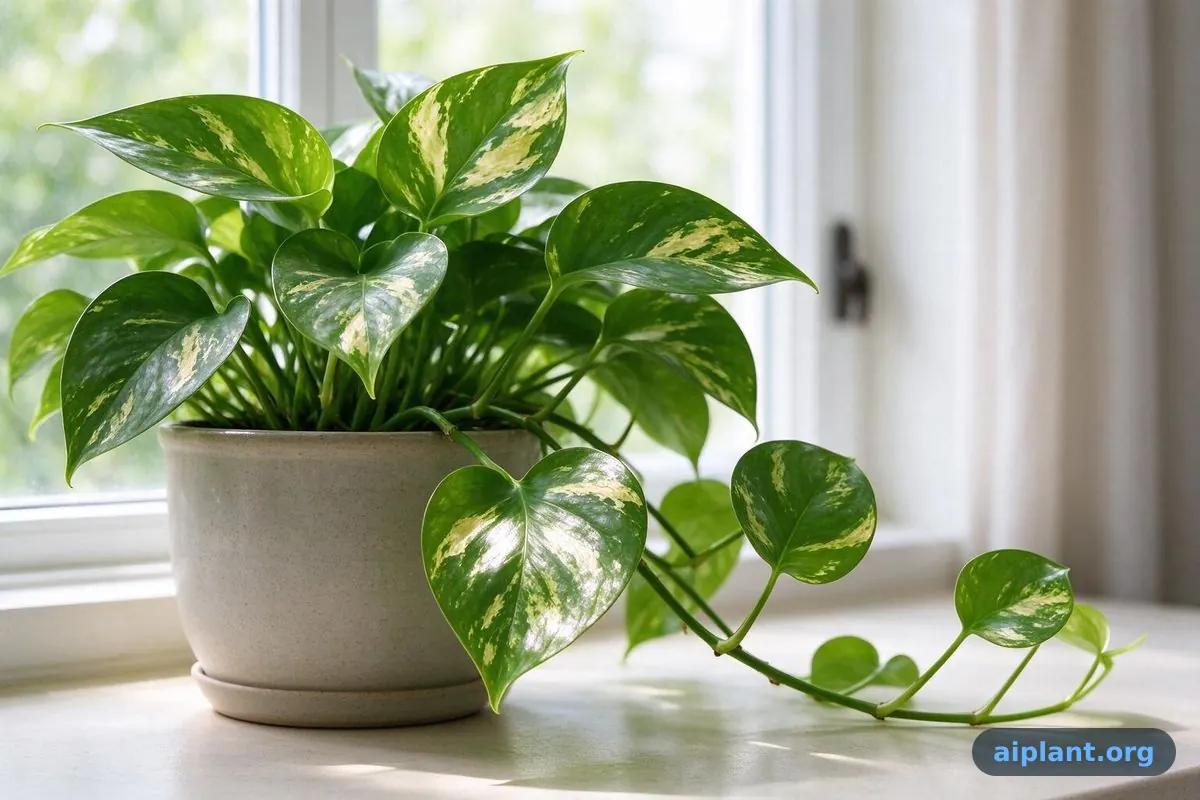
Golden Pothos Flowering: The Direct Answer
- A Golden Pothos indoors will not flower, because the plant stays in a juvenile state and needs years of climbing a large tropical tree before it matures.
- No fertilizer, drought stress or root restriction forces a bloom; those tactics stress the vine and cause yellowing instead of buds.
- Indoor plants also never set fruit, since fruit follows pollination of a flower that does not form in a pot.
- Focus on the problems you can fix: pests, rot, cold damage and leggy growth, which are what actually threaten a houseplant.
Why a Golden Pothos Never Flowers Indoors
The short answer is that flowering is a maturity event, not a care failure. A Golden Pothos sold in a 15 cm (6 in) pot is a rooted cutting of a juvenile vine, and juvenile Epipremnum aureum cannot produce an inflorescence no matter how perfect the light or feeding.
Flowering needs a mature climbing vine: in tropical forest the vine climbs a host tree for many metres and only then produces the spathe-and-spadix bloom typical of the aroid family. In a room the stem is trimmed, trained on a shelf and kept small, so it never reaches that adult stage.
The plant is a natural non-bloomer in cultivation: Epipremnum aureum is famous among botanists for almost never flowering even in the wild, and cultivated plants worldwide are propagated from cuttings, so the gene pool you own has effectively lost the flowering habit.
No indoor trick forces a bloom: withholding water, crowding the roots or switching to a high-phosphorus feed does not trigger flowers in this species. Those treatments produce crispy leaf tips and stalled growth rather than buds, so they are not worth trying.
The bloom is not the goal anyway: a flowering Golden Pothos is not healthier or more valuable as a houseplant. The foliage is the display, and a well-grown vine with dense, glossy leaves is the realistic success you can aim for.
Golden Pothos Blooming: Wild Versus Indoor Conditions
Golden Pothos Symptom Check: Which Vine Problem You Are Looking At
Use this table as an index: find the symptom closest to what your plant shows, then read the matching bold sub-heading below for the full cause list and fix. Most houseplant trouble with this vine comes from water, pests or cold rather than from the absence of flowers.
Tiny White Bugs and Sticky Leaves on Golden Pothos
Sticky, shiny leaves with tiny white or pale-green insects along the stems and leaf undersides point to a sap-sucking pest, usually aphids or whiteflies, sometimes mealybugs. The honeydew they excrete coats lower leaves and attracts sooty mould. Isolate the plant, then wipe both leaf surfaces with a damp cloth and repeat every few days until no new insects appear; for a heavy infestation, apply an insecticidal soap to the undersides of the leaves in the evening, when the plant is out of direct sun.
Black-Brown Spots With a Powdery Film on Golden Pothos
Dark blotches covered by a greyish powder are a fungal leaf-spot or powdery-mildew problem, and they spread fastest in still, humid air with wet foliage. Remove affected leaves with clean scissors, stop misting the foliage, and move the plant to a spot with moving air; water the soil only, keeping the leaves dry so new spots stop forming.
Curling Leaves With Crisp Tips on Golden Pothos
Leaves that curl inward and brown at the tips are losing more water than the roots supply, which usually means dry soil, low humidity or a root system damaged by past overwatering. Check the top 3 cm (1 in) of mix with a finger: if it is bone dry, water thoroughly until it drains, and raise humidity around the plant rather than soaking it daily.
Golden Pothos Drooping the Day After Watering
A vine that wilts right after a watering is usually sitting in waterlogged mix, so the roots cannot take up oxygen and shut down. Tip the pot, empty the saucer, and check that the drainage hole is open; if the mix stays soggy for days, repot into fresh, airy soil and trim any dark, soft roots with sterilised scissors.
Mushy Stems and Soil That Never Dries on Golden Pothos
Brown, soft stem sections at the soil line with a permanently damp pot mean root and stem rot, the most serious problem on this list. Stop watering, unpot the vine, cut away every mushy stem and root, and restart the healthy tip cuttings in fresh mix; a plant with rot through most of its stems is usually better replaced than rescued.
Tall, Thin, Bare Stems With No Side Shoots on Golden Pothos
Long gaps between leaves and a bare lower stem mean the vine is reaching for light and has never been pruned. Move it closer to a bright window and cut the long stems back to a leaf node; new side shoots emerge from the cut points within a few weeks in good light.
Damaged Leaves After One Cold Night on Golden Pothos
Dark, water-soaked or papery patches that appear after a cold night near a window or door are chilling injury, which starts below roughly 10 °C (50 °F). Move the plant to a warmer room, leave the damaged leaves until new growth appears, and keep it away from cold glass and draughts for the rest of winter.
Golden Pothos Symptom, Likely Cause and First Fix
Golden Pothos Quick Care Facts
- Light
- Bright indirect; tolerates low light but grows leggy
- Water
- Water when top 3 cm (1 in) of mix feels dry
- Temperature
- 18-29 °C (65-85 °F); keep above 10 °C (50 °F)
- Humidity
- Average room humidity; 40-60% is comfortable
- Soil
- Airy, well-draining mix with perlite; pH 6.1-6.5
- Fertilizer
- Balanced liquid feed monthly in spring and summer
Golden Pothos Buds, Fruit and the Pollination Question
No buds form on a houseplant, so there is nothing to drop and no fruit to set. The flowering structure of Epipremnum aureum is a spathe and spadix, and it appears only on a mature climbing vine in the tropics; without that stage, every question about buds and fruit has the same root cause.
Why buds would drop if they ever formed: a young inflorescence is the most water- and energy-hungry part of a vine, so drought, sudden cold below 10 °C (50 °F) or a heavy pest load makes a plant abort it first. That is a general aroid response, not something a potted Golden Pothos will show you, because it does not reach the stage of making buds indoors.
Fruit follows pollination, which needs a pollinator: the berries that occasionally form in habitat develop after insects visit the spadix. A sealed room has no such pollinator, and a plant that never flowers cannot be pollinated, so a houseplant will not set fruit under any care routine.
What to do instead of chasing a bloom: treat the vine as a foliage plant and judge it by leaf size, colour and density. A Golden Pothos with glossy leaves and steady new growth is in excellent health even though it will never flower, and that is the realistic standard for the species indoors.
Golden Pothos Flowers and Fruit: What to Expect
Light, Water and Warmth That Keep Golden Pothos Growing
Bright indirect light is what keeps the vine dense and glossy: place the plant within 1–2 m (3–6 ft) of an east or west window, or behind a sheer curtain on a south window, so it receives several hours of filtered light daily. In deep shade the stem stretches between leaves and the lower vine goes bare, which is the leggy habit you are trying to prevent.
A finger test beats a fixed schedule for watering: push a finger 3 cm (1 in) into the mix and water only when it feels dry at that depth, which in average room conditions is roughly every 7–10 days in summer and every 10–14 days in winter. Always water until a little runs out of the drainage hole, then empty the saucer within 30 minutes so the roots never stand in water.
Keep the root zone airy rather than dense: a mix of potting soil with perlite and a little orchid bark holds moisture without staying soggy, and a pot with at least one open drainage hole is non-negotiable. If the surface still feels damp three days after watering, the mix is too dense or the pot too large for the root ball.
Warmth above 10 °C (50 °F) protects the foliage: the vine grows fastest between 18 °C and 29 °C (65–85 °F) and stops making new leaves below about 15 °C (59 °F). Keep it away from cold window glass, air-conditioning vents and doors that open to winter air, because a single night near 5 °C (41 °F) can mark the leaves.
Average room humidity is enough, but dry air shows at the leaf edges: 40–60% relative humidity suits the plant, and a pebble tray or a grouping of plants raises the local humidity without wetting the foliage. Do not mist the leaves to compensate, because standing water on the leaf surface encourages the fungal spotting described in the diagnosis section.
Feed lightly and only while the vine is actively growing: a balanced liquid fertilizer at half the label strength once a month from March to September supports new leaves, and feeding stops from October to February when growth slows. Yellowing between the veins on older leaves is the usual sign of a hungry plant, while burnt leaf margins point to overfeeding rather than shortage.
Golden Pothos Watering and Light by Season
Repotting, Pruning and Restarting a Golden Pothos Vine
Repot only when the roots fill the pot: roots circling the surface or emerging from the drainage hole mean it is time to move up one pot size, which for this vine is a container about 2–3 cm (1–1.25 in) wider than the current one. Repotting into a much larger pot leaves wet mix around unused roots and is a common route to rot.
- Loosen and inspect the root ball: slide the plant out, crumble away the old mix and look at the roots; firm pale roots are healthy, while dark, soft or foul-smelling roots are cut away with sterilised scissors. Removing dead roots before repotting stops rot from spreading into the fresh mix.
- Replant at the same depth and firm gently: set the vine so the stem base sits at the same level as before, fill around the roots with fresh airy mix and press lightly to remove air pockets. Water once until it drains, then leave the plant alone until the surface feels dry again.
- Keep the repotted vine in soft light for a week: new roots are easily stressed by strong sun, so place the plant in bright indirect light and skip fertilizer for four to six weeks. New leaves appearing at the tips show the roots have established.
Pruning is what turns one long vine into a full plant: cut a leggy stem back to a leaf node, about 1 cm (0.4 in) above it, and the plant responds with side shoots from that node within a few weeks in good light. Take the cut sections as cuttings rather than discarding them.
Root tip cuttings in water or mix to restart a bare vine: cut a stem with at least two nodes, remove the lowest leaf and stand the cut end in water or push it into damp mix, keeping it warm and out of direct sun. Roots usually appear in two to four weeks, and the cutting can be potted on once roots are 3–5 cm (1–2 in) long.
When to start over instead of rescuing: if rot has travelled through most of the stem and only one or two soft tips remain, healthy cuttings from the firm growth are a faster route to a good plant than months of nursing a failing root system. A vine with firm stems, even if bare at the base, is still worth cutting back and regrowing.
Golden Pothos Through Winter and the Cold Months
Short days slow the vine, so reduce water before you reduce light: from October the plant makes fewer new leaves and drinks less, and the most common winter mistake is continuing a summer watering routine. Check the mix at 3 cm (1 in) depth and expect the interval to roughly double compared with summer.
Cold glass and draughts cause more damage than low light: leaves touching a window pane on a freezing night can develop dark, papery patches, so pull the pot 20–30 cm (8–12 in) back from the glass and close curtains between the plant and the window after dark. Any room that drops below 10 °C (50 °F) is too cold for steady growth.
Stop feeding and hold off on repotting until spring: fertilizer applied in winter sits unused in the mix and can burn roots, and repotting a slow-growing plant in the cold months delays recovery. Wait until new growth appears in March before feeding or moving the vine to a larger pot.
Watch for pests in the dry indoor air: heated rooms favour spider mites and mealybugs, so check leaf undersides and stem joints every couple of weeks for fine webbing or white cottony patches. A wipe with a damp cloth and a repeat check after a week catches an infestation before it spreads to neighbouring plants.
A plant that looks tired in February is usually just cold and dim: hold your routine steady, keep the vine warm and watered sparingly, and judge its health when growth resumes in spring rather than cutting it back in midwinter. If the stems are still firm, the plant is alive and will push new shoots once light levels rise.
Golden Pothos Flowering, Bud Drop and Fruit Myths
How do I get a Golden Pothos to climb a moss pole or trellis so it matures faster?
A moss pole works because the vine climbs rather than trails, so train the growing tips onto it and tie them loosely with soft twine until aerial roots grip. Place it within 1–2 m of an east or west window for several hours of filtered light, since low light keeps growth juvenile and leggy. Keep the pole slightly damp; aerial roots attach better to a moist surface than dry moss.
Why are my Golden Pothos leaves turning yellow all at once?
Yellowing across the whole plant at once usually means a watering or root problem rather than normal aging, so check the top 3 cm of mix with a finger. If it stays soggy for days, tip the pot, empty the saucer and confirm the drainage hole is open; waterlogged roots cannot take up oxygen and shut down. Repot into fresh airy mix if the soil never dries.
Is it safe to move my Golden Pothos outdoors for the summer, and how do I acclimate it?
Yes, but acclimate it gradually rather than moving it straight out. Shift it to a shaded, sheltered spot first and increase exposure over a week or two, keeping it out of harsh midday sun, which scorches leaves adapted to indoor light. Bring it back inside well before nights approach 10 °C, since chilling injury starts below roughly that temperature.
Can I grow a Golden Pothos in water permanently, or must it go into soil?
Golden Pothos can live in water for a long time, but permanent water culture needs regular attention: change the water so it stays oxygenated, keep roots out of direct sun, and add dilute balanced feed occasionally, since water supplies no nutrients. Plants grown this way often grow slower than those in airy mix. Move it to soil if roots turn dark and soft.
Related articles
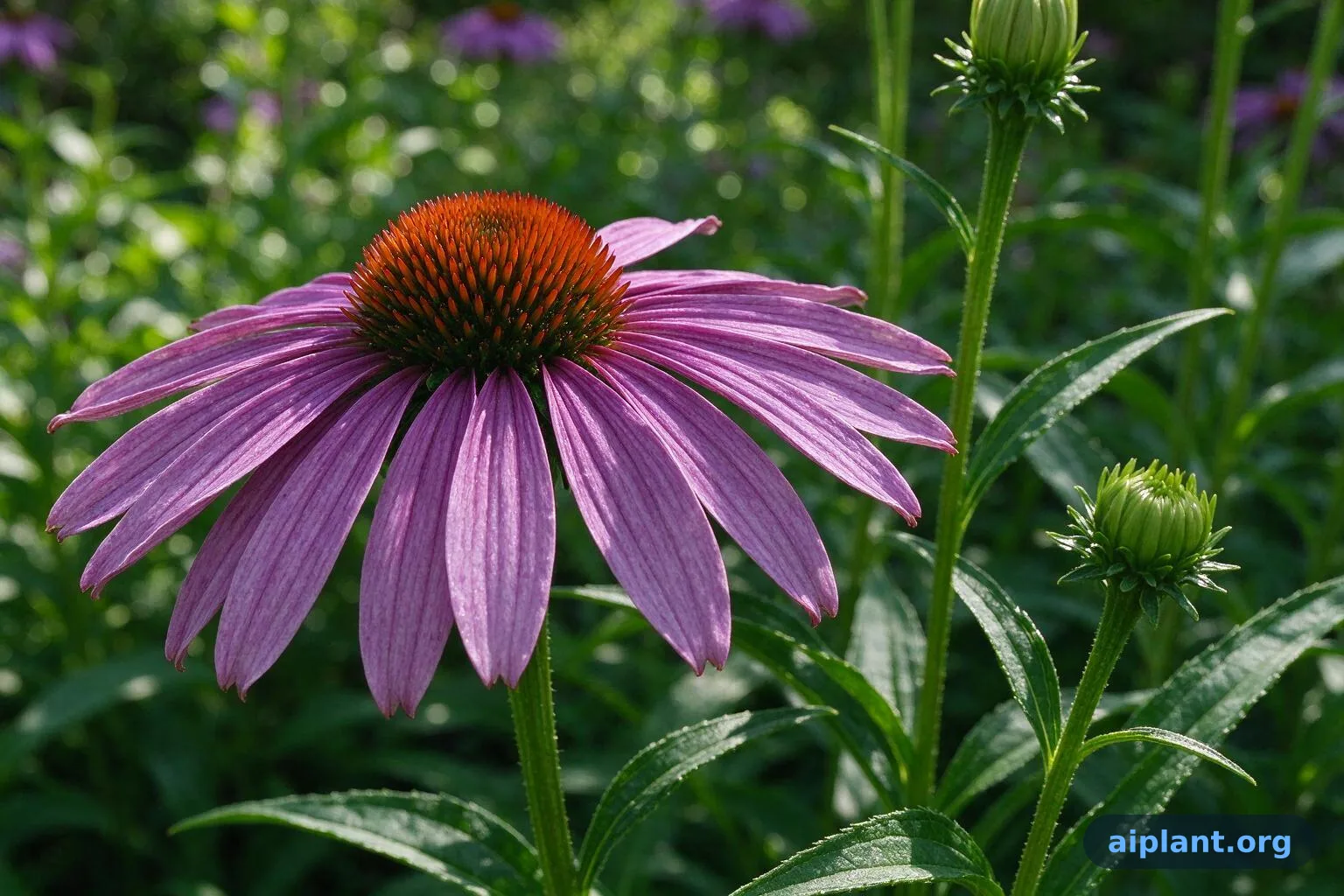
Why Is My Echinacea Not Flowering or Dropping Buds?
Find the cause in minutes and get your echinacea blooming again.
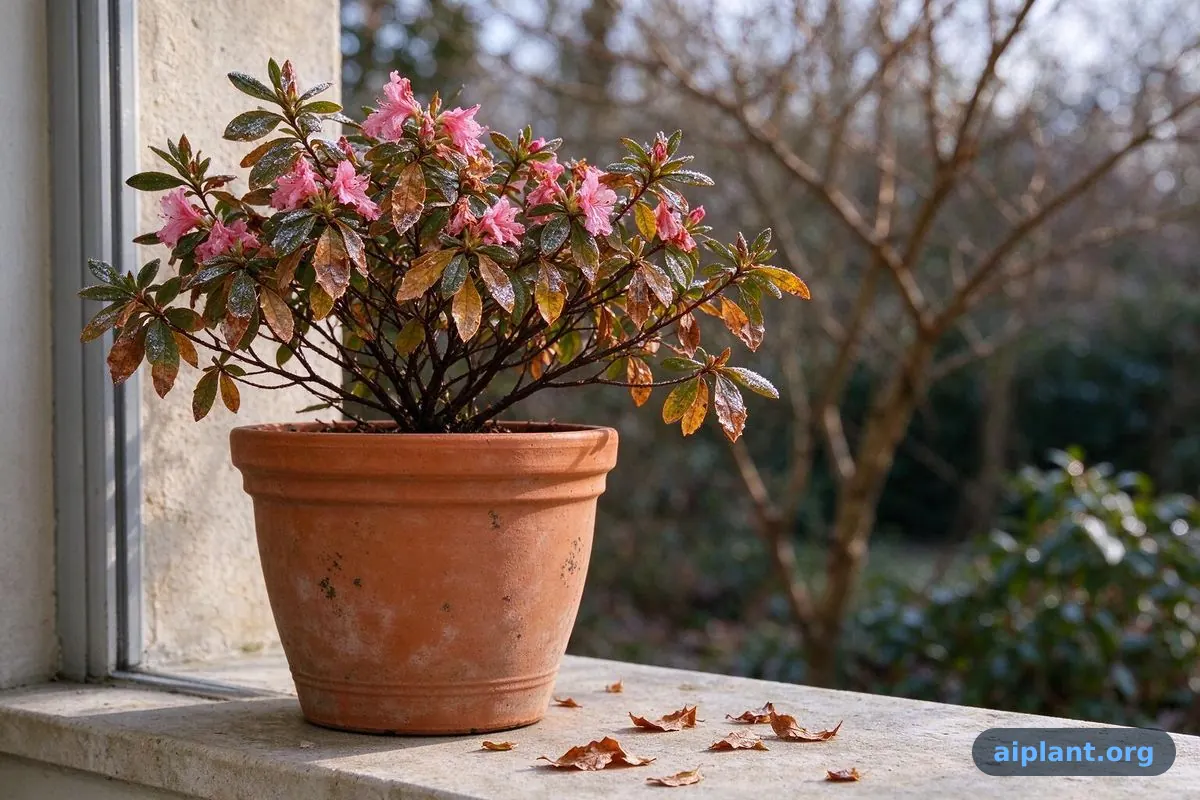
Azalea Leaves Damaged After a Cold Night: Frost Burn or Dieback?
Tell frost burn from real dieback, then help the shrub regrow and bloom again.
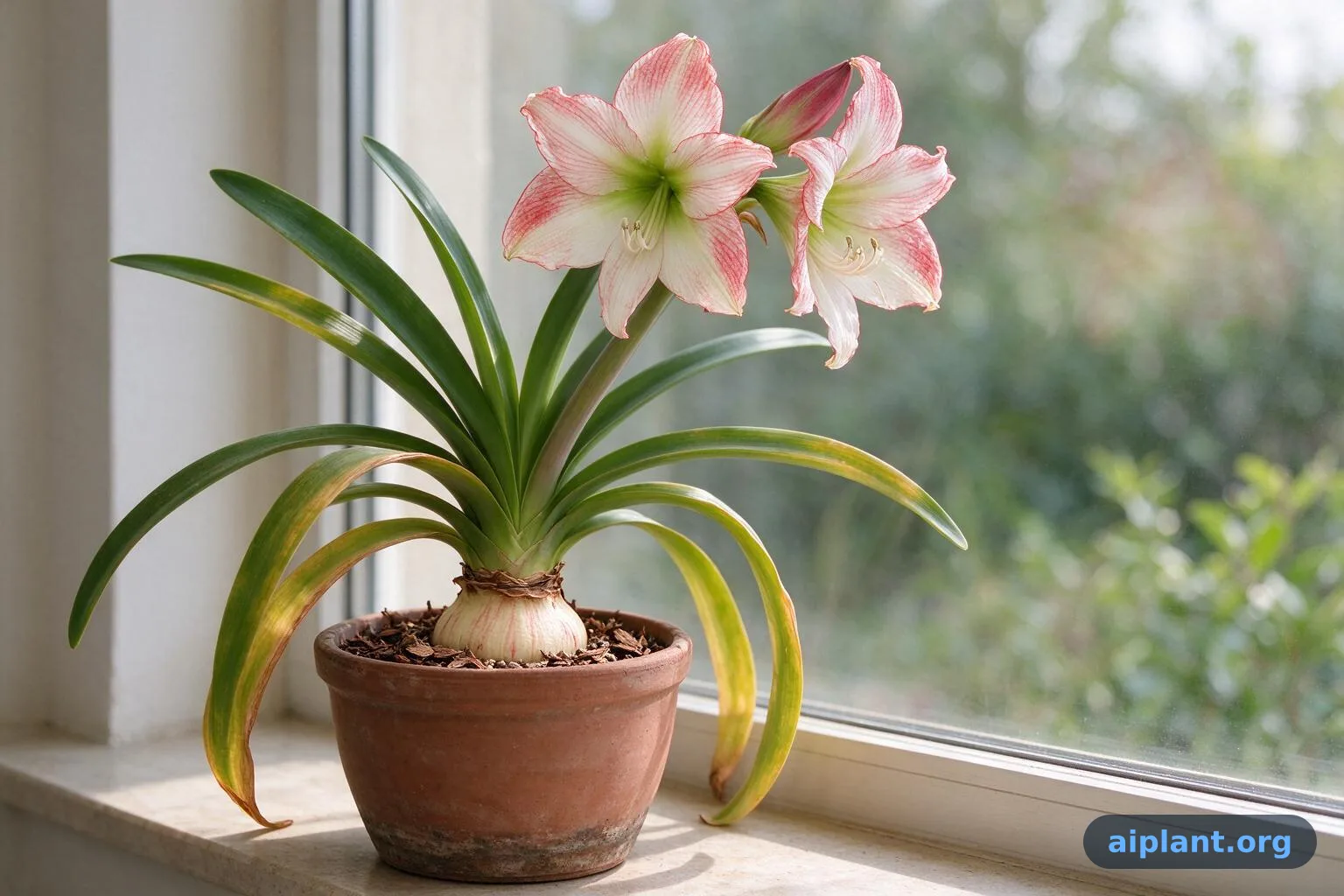
Amaryllis Leaves Turning Yellow and Drooping: What to Fix First
Find the cause fast and keep the bulb alive for next year's blooms.
Why Are Hibiscus Leaves Turning Yellow and Dropping?
Find the cause and fix it before the whole plant defoliates.