
Why Are Hibiscus Leaves Turning Yellow and Dropping?
Find the cause and fix it before the whole plant defoliates.
Hibiscus (Hibiscus rosa-sinensis) leaves turning yellow and dropping is the most common complaint about this tropical shrub, and the cause is almost always one of five things: watering too much or too little, sudden light or temperature change, a nutrient deficiency, pests like spider mites or aphids, or root rot. This article helps you match the exact symptom—yellow lower leaves, brown crispy tips, white spots, sudden leaf drop—to its cause, then gives the fix and the care routine that keeps the plant blooming instead of shedding.
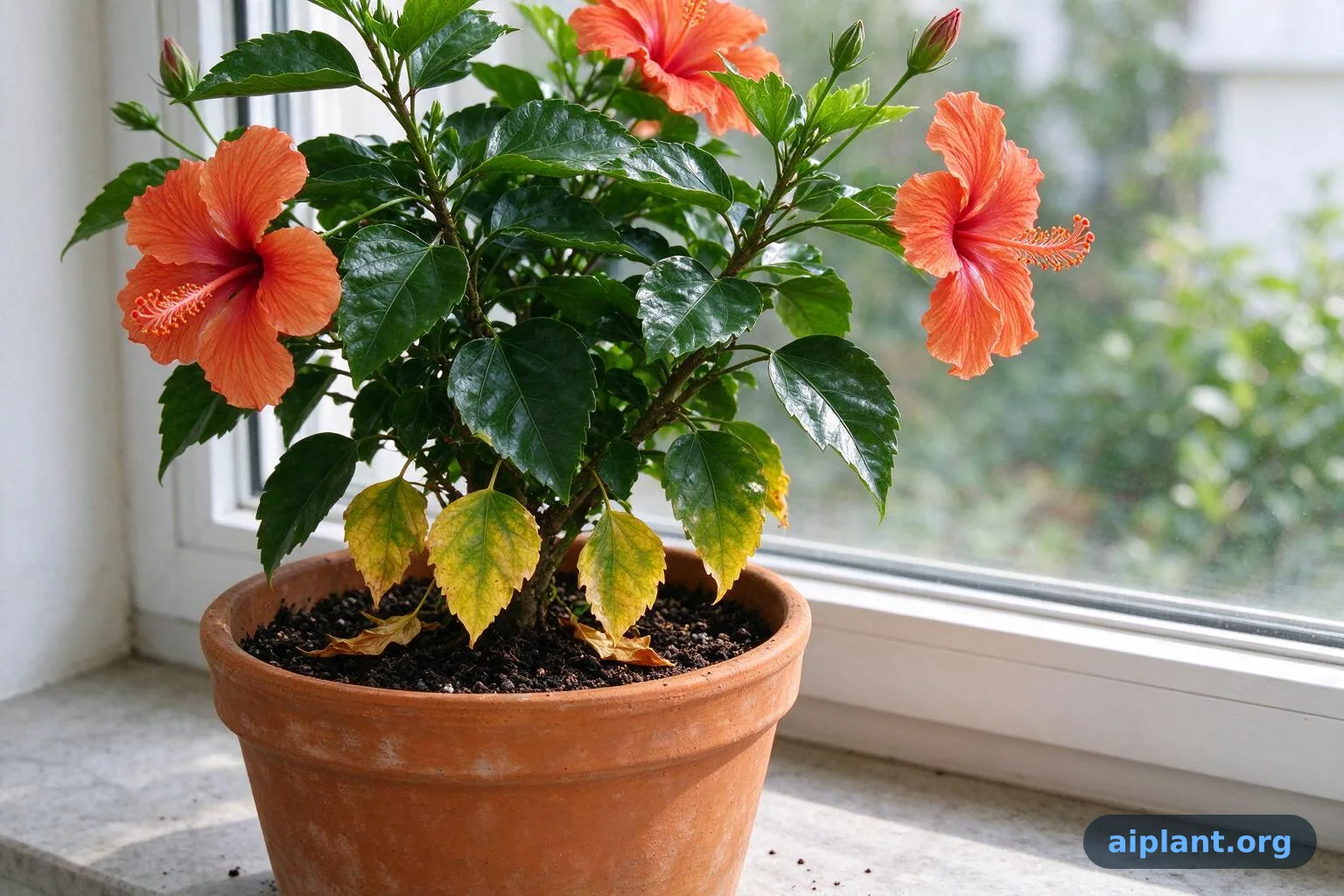
Hibiscus Yellow Leaves and Leaf Drop: The Short Answer
- The most common cause of yellowing lower leaves is overwatering or poor drainage; check that the pot drains freely and let the top 2–3 cm (1 in) of soil dry before watering again.
- Sudden leaf drop after moving the plant, a cold draft, or a heat wave is usually shock; stabilize light and temperature and new growth should follow in 2–4 weeks.
- Pests such as spider mites, aphids, and whiteflies cause yellow stippling and sticky honeydew; inspect leaf undersides and treat with insecticidal soap or neem oil.
- If stems are mushy and the soil smells sour, root rot has set in; stop watering, repot in fresh well-draining mix, and trim rotten roots before the plant collapses.
Which Hibiscus Problem Matches What You See?
Use this table as your first check: find the symptom that matches your plant, then go to the detailed sub-heading below for the full fix. Most yellow-leaf cases in Hibiscus (Hibiscus rosa-sinensis) come down to water, light, or pests, but rot and nutrient issues are close behind.
Yellow Lower Leaves After Watering
Yellowing that starts on the oldest, lowest leaves and spreads upward after you water is the classic overwatering signature in Hibiscus. The soil may look dry on top but stay saturated below, suffocating roots and causing leaf chlorosis. Check by pushing a finger or wooden dowel 5 cm (2 in) into the soil: if it comes out damp and cool, wait before watering again. Ensure the pot has drainage holes and empty the saucer within 30 minutes of watering. If the plant is in dense peat-based mix, repot into a mix with 30% perlite or coarse bark to improve airflow. Reduce watering to when the top 2–3 cm (1 in) feels dry, which in a 20 °C (68 °F) room is roughly every 5–7 days in summer and 10–14 days in winter.
Brown Crispy Tips and Edges
Brown, crispy leaf edges that start at the tips and move inward usually mean the plant is drying out too much between waterings or the air is too dry. Hibiscus is native to warm humid regions and suffers when indoor humidity drops below 40%. Feel the soil: if it is dry 5 cm (2 in) down, you are underwatering. Water slowly until water runs out the drainage holes, then discard the excess. Raise humidity by grouping plants, using a pebble tray, or running a humidifier to keep levels at 50–60%. Avoid placing the plant near heating vents or air conditioners, which strip moisture from leaves. In hot weather, a Hibiscus in a small pot may need water every 2–3 days.
Sudden Leaf Drop After a Move or Cold Snap
Hibiscus drops leaves abruptly when light, temperature, or location changes too fast. A plant moved from a shaded spot to full sun, or from outdoors to indoors, can shed up to half its leaves within a week as a stress response. Cold drafts below 10 °C (50 °F) cause the same reaction, and so does a heat wave above 35 °C (95 °F) combined with dry soil. Stabilize the plant: keep it at 15–30 °C (59–86 °F) with at least 6 hours of direct light, and do not fertilize until new growth appears. Acclimate moves over 7–10 days by shifting the plant 30 minutes closer to its target light each day. New leaves should emerge within 2–4 weeks if the roots are healthy.
White or Yellow Spots on Leaves
White or yellow stippled spots on the upper leaf surface, often with fine webbing on the underside, point to spider mites. Yellow spots with sticky honeydew and tiny green or black insects are aphids. Whiteflies look like tiny white moths that fly up when you disturb the plant. All three suck sap and cause yellowing and leaf drop. Inspect leaf undersides with a hand lens. For spider mites, wash the plant with a strong jet of water, then spray insecticidal soap or neem oil every 7 days for 3 weeks, covering undersides. For aphids, wipe them off with a damp cloth or apply insecticidal soap. Isolate the plant from others until two consecutive weekly checks show no pests.
Mushy Stems and Foul Soil
If the base of the stem feels soft and brown, or the soil smells sour, root rot has started. This happens when the plant sits in waterlogged soil for days, often in a pot without drainage or in a heavy mix. Unpot the plant and rinse the roots. Trim any roots that are brown, mushy, or hollow with sterilized scissors. Repot in fresh, well-draining mix (60% potting soil, 30% perlite, 10% compost) in a pot only 2–3 cm (1 in) wider than the root ball. Water lightly and keep the plant in bright indirect light until new growth appears. If more than half the roots are rotten and the main stem is soft, the plant is unlikely to recover and should be replaced.
Pale Leaves With Green Veins
Yellowing between the veins while the veins stay green is chlorosis, usually from iron or magnesium deficiency. Iron deficiency shows first on new leaves; magnesium deficiency shows on older leaves. Hibiscus prefers a soil pH of 6.0–6.5; above 7.0, iron becomes unavailable even if it is present in the soil. Test pH with a home kit. For iron chlorosis, apply chelated iron according to the label and lower pH with elemental sulfur if needed. For magnesium, dissolve 1 tablespoon of Epsom salts in 4 liters (1 gallon) of water and apply monthly during the growing season. Do not fertilize a plant that is dropping leaves from shock until it stabilizes.
Leggy Stems With Few Leaves
A Hibiscus that grows long, bare stems with leaves only at the tips is not getting enough light or has not been pruned. Without at least 6 hours of direct sun, internodes stretch and lower leaves shade out and drop. Move the plant to a south- or west-facing window or outdoors in summer. Prune in early spring: cut back one-third of the oldest stems to a node just above a leaf, which forces branching and denser growth. Remove dead or crossing branches first. After pruning, feed with a balanced fertilizer to support new shoots. Pinch growing tips in early summer to encourage bushiness.
No Flowers on a Healthy-Looking Hibiscus
Hibiscus needs bright light, consistent moisture, and phosphorus to bloom. If the plant is green and growing but flowerless, the usual causes are too little sun (under 6 hours), too much nitrogen fertilizer (which pushes leaves at the expense of flowers), or cool temperatures below 15 °C (59 °F). Move the plant to full sun, switch to a fertilizer higher in phosphorus (such as 10-30-10) every 4–6 weeks during the growing season, and keep temperatures above 18 °C (65 °F). Prune only in early spring, because buds form on new wood; pruning in summer removes flower buds. A healthy Hibiscus can bloom almost year-round indoors with enough light.
How to Save a Dying Hibiscus
A Hibiscus is worth saving if the main stem is still green and firm under the bark and at least some roots are white and pliable. Start by checking the stem: scrape a small patch of bark near the base; green tissue means the plant is alive. If the stem is brown and mushy, the plant has rot and is unlikely to recover. For a salvageable plant, follow these steps:
- Stop watering and assess the roots: unpot the plant and rinse the root ball; trim brown, mushy roots with sterilized scissors, keeping white firm roots, because removing rot prevents spread.
- Repot in fresh, well-draining mix: use a pot with drainage holes only 2–3 cm (1 in) wider than the root ball; water lightly and place in bright indirect light for 2 weeks.
- Prune dead growth: cut back dead stems to green wood, removing up to one-third of the top growth to reduce demand on damaged roots.
- Resume care gradually: water when the top 2–3 cm (1 in) of soil is dry, and wait 4–6 weeks before fertilizing at half strength to avoid burning new roots.
If the plant does not produce new growth within 6–8 weeks, or if the stem continues to brown from the tip down, replace it.
Hibiscus Symptom Check: What You See and What to Do
Hibiscus Pests and Diseases That Cause Yellow, Sticky, or Dropping Leaves
Pests and diseases are the second most common reason Hibiscus leaves yellow and drop, after watering mistakes. Spider mites, aphids, whiteflies, and hibiscus sawfly are the main offenders, while fungal leaf spot and root rot are the main diseases. Early detection keeps damage cosmetic.
Spider Mites
Spider mites are tiny (0.5 mm) sap-sucking pests that thrive in hot, dry indoor air. They cause yellow stippling on the upper leaf surface, fine webbing on the underside, and eventual leaf drop. Check undersides with a hand lens; a white paper held under a shaken leaf shows moving specks. Treat by washing the plant with a strong water spray, then applying insecticidal soap or neem oil every 7 days for 3 weeks, covering undersides. Raise humidity to 50–60% because mites dislike moisture.
Aphids
Aphids are 1–3 mm pear-shaped insects, often green or black, clustered on new growth and flower buds. They cause curled, yellowing leaves and excrete sticky honeydew that attracts sooty mold. Wipe them off with a damp cloth or spray with insecticidal soap, repeating every 5–7 days until gone. Check new shoots weekly, since aphids reproduce fast in warm weather.
Whiteflies
Whiteflies look like tiny white moths that flutter up when the plant is disturbed. Their nymphs suck sap on leaf undersides, causing yellowing and sticky honeydew. Use yellow sticky traps to monitor and reduce numbers, and spray insecticidal soap or neem oil every 7 days for 3 weeks, hitting undersides thoroughly. Isolate the plant from others until two weekly checks are clean.
Hibiscus Sawfly
Hibiscus sawfly larvae are green caterpillar-like insects that chew leaves, often leaving only veins. They are more common on outdoor plants in summer. Inspect leaf undersides for the larvae and remove them by hand or apply Bacillus thuringiensis (Bt) according to the label. Encourage birds and parasitic wasps by avoiding broad-spectrum insecticides.
Fungal Leaf Spot
Fungal leaf spot causes brown or black spots with yellow halos, often in humid weather or when leaves stay wet. Remove affected leaves and improve airflow by spacing plants and avoiding overhead watering. Apply a copper-based fungicide according to the label if spots spread rapidly. Water at the soil line to keep foliage dry.
Root Rot
Root rot is a disease of wet soil, not a pest, but it belongs here because it causes yellowing, wilting, and leaf drop that mimics underwatering. The difference is that rot smells sour and stems feel mushy. To fix it, stop watering immediately and unpot the plant to inspect the roots; trim any brown, mushy, or hollow roots with sterilized scissors, then repot in fresh, well-draining mix in a pot only 2–3 cm (1 in) wider than the root ball. Water lightly and keep the plant in bright indirect light until new growth appears, which usually takes 2–4 weeks if enough healthy roots remain.
Hibiscus Watering, Light, and Soil That Prevent Yellow Leaves
Most Hibiscus problems start with water, light, or soil, so getting these three right is the best prevention. Hibiscus (Hibiscus rosa-sinensis) is a tropical shrub that wants consistent moisture, at least 6 hours of direct sun, and a well-draining mix with a pH of 6.0–6.5.
How Often to Water Hibiscus
Water when the top 2–3 cm (1 in) of soil feels dry, which is roughly every 5–7 days in summer and 10–14 days in winter for a 20 cm (8 in) pot indoors. In hot outdoor weather, a potted Hibiscus may need water every 2–3 days. Always water until it runs out the drainage holes, then empty the saucer. A moisture meter or a wooden dowel inserted 5 cm (2 in) deep is more reliable than a fixed schedule. Never let the pot sit in water.
Light for Hibiscus
Hibiscus needs at least 6 hours of direct sunlight daily to bloom and keep lower leaves from dropping. Indoors, a south- or west-facing window is best; if the plant stretches or drops leaves, add a grow light for 12–14 hours a day. Outdoors, full sun is ideal, but in hot climates (above 35 °C / 95 °F) provide afternoon shade to prevent scorch. Acclimate plants moved outdoors over 7–10 days to avoid leaf drop.
Soil and Pot for Hibiscus
Use a well-draining mix: 60% potting soil, 30% perlite, and 10% compost. The pot must have drainage holes, and a pot only 2–3 cm (1 in) wider than the root ball prevents excess soil staying wet. Terracotta pots dry faster than plastic, which helps in humid climates. Repot every 2–3 years in spring when roots circle the pot, moving up one pot size. A Hibiscus that is root-bound stops growing and drops leaves.
Temperature and Humidity for Hibiscus
Keep Hibiscus between 15–30 °C (59–86 °F); below 10 °C (50 °F) leaves yellow and drop, and frost kills the plant. Indoors, keep humidity at 50–60% by using a humidifier or pebble tray, especially in winter. Avoid placing the plant near heating or cooling vents. In summer, outdoor plants tolerate heat if watered well; in winter, move potted plants indoors before night temperatures drop below 10 °C (50 °F).
Fertilizer for Hibiscus
Feed Hibiscus every 4–6 weeks during the growing season with a balanced fertilizer or one higher in phosphorus for blooms. Too much nitrogen causes leafy growth with few flowers and can burn roots, leading to yellow leaves. Stop fertilizing in winter when growth slows. If leaves are pale with green veins, check pH first; iron or magnesium deficiency is common in alkaline soil and is fixed with chelated iron or Epsom salts.
Pruning Hibiscus
Prune Hibiscus in early spring before new growth starts. Remove dead, diseased, or crossing branches, and cut back up to one-third of the oldest stems to a node just above a leaf to encourage branching and denser growth. Pinch growing tips in early summer for bushiness. Avoid pruning in late summer or fall, because buds form on new wood and you will remove flowers. Clean cuts with sterilized pruners.
Repotting Hibiscus
Repot in spring every 2–3 years, or when roots circle the pot. Choose a pot 2–3 cm (1 in) wider in diameter, use fresh well-draining mix, and water lightly after repotting. Keep the plant in bright indirect light for a week to reduce shock. Do not fertilize for 4 weeks after repotting to avoid burning new roots.
Hibiscus Care Card: The Basics
Hibiscus Quick Care Facts
- Light
- 6+ hours direct sun; south or west window indoors
- Water
- When top 2–3 cm (1 in) of soil is dry
- Temperature
- 15–30 °C (59–86 °F); never below 10 °C (50 °F)
- Humidity
- 50–60%
- Soil
- Well-draining mix, pH 6.0–6.5
- Fertilizer
- Balanced or high-phosphorus every 4–6 weeks in growing season
Hibiscus Yellow Leaves and Dropping: When to Save It and When to Start Over
A Hibiscus is worth saving if the main stem is green and firm under the bark and some roots are white and pliable. Scrape a small patch of bark near the base: green tissue means the plant is alive. If the stem is brown and mushy from the base up, or the soil smells foul and more than half the roots are rotten, the plant is unlikely to recover and should be replaced. A Hibiscus that drops leaves after a move, cold snap, or underwatering usually recovers within 2–4 weeks once conditions stabilize. A plant that has been in soggy soil for weeks and shows yellowing plus mushy stems is a rot case; follow the rescue steps in the diagnosis section. If new growth appears within 6–8 weeks of rescue, the plant is on the mend. If not, cut losses and start with a fresh plant in clean soil and a draining pot.
Related articles
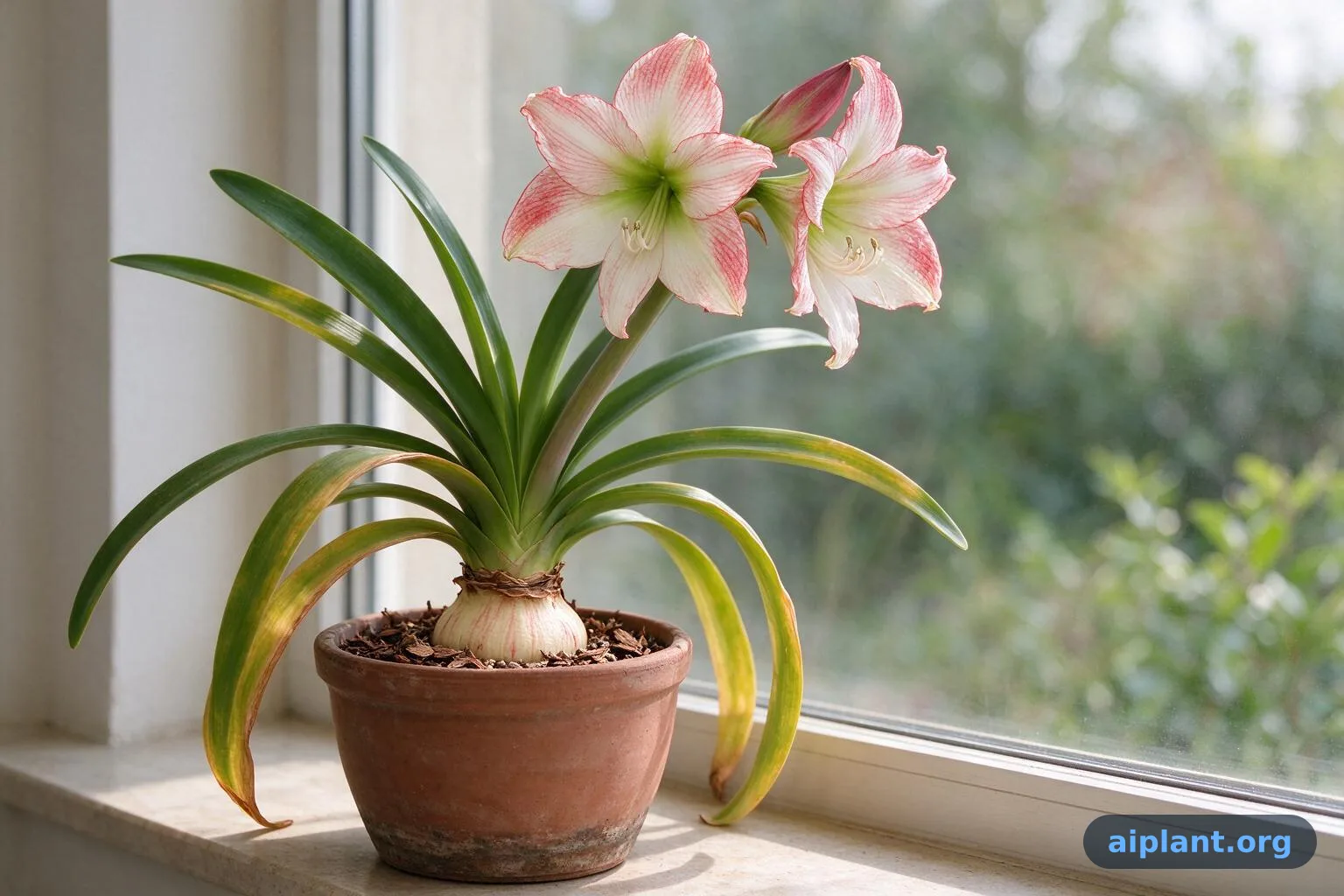
Amaryllis Leaves Turning Yellow and Drooping: What to Fix First
Find the cause fast and keep the bulb alive for next year's blooms.
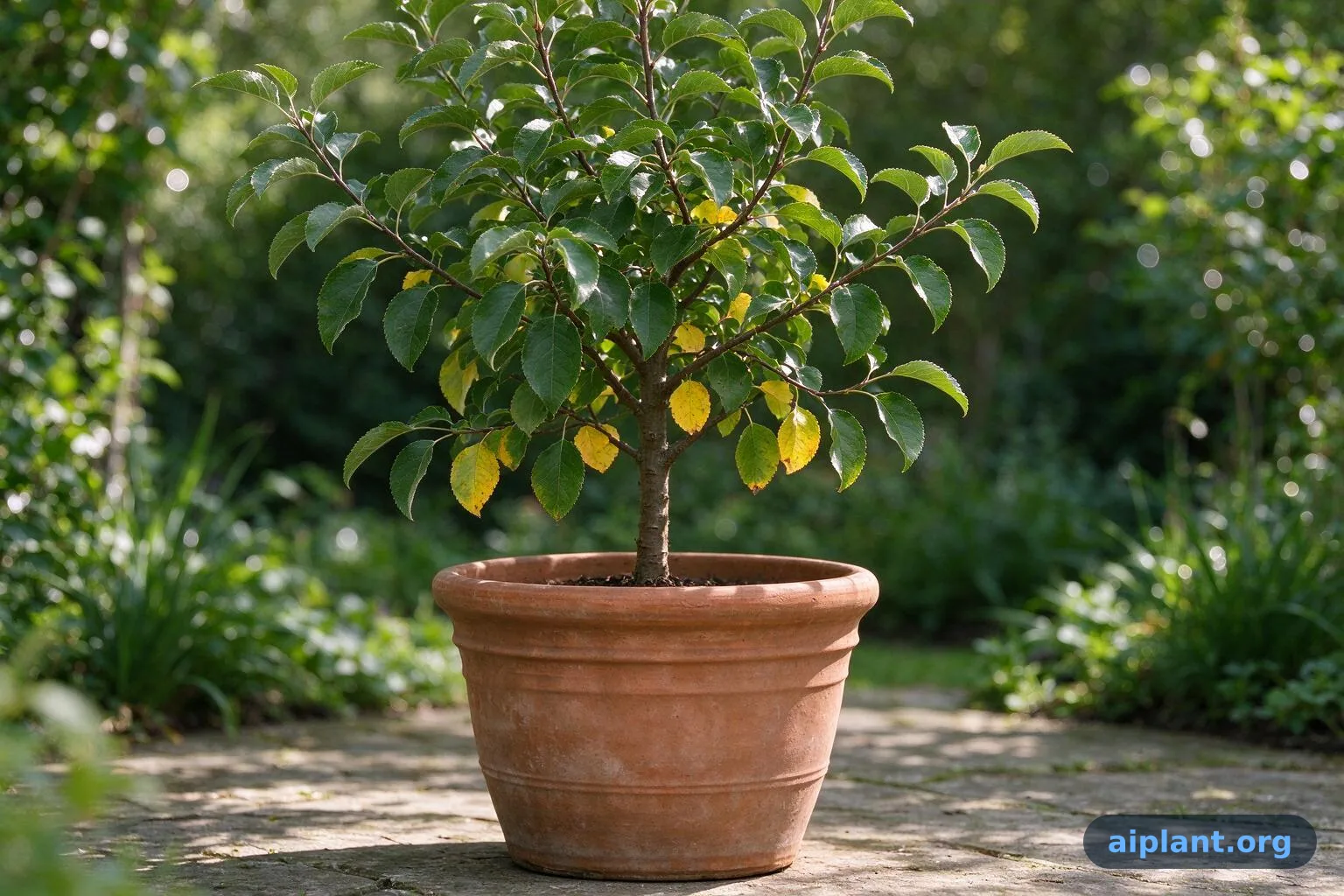
Why Are My Apple Tree Leaves Turning Yellow?
Find the cause in minutes and keep the fruit coming.
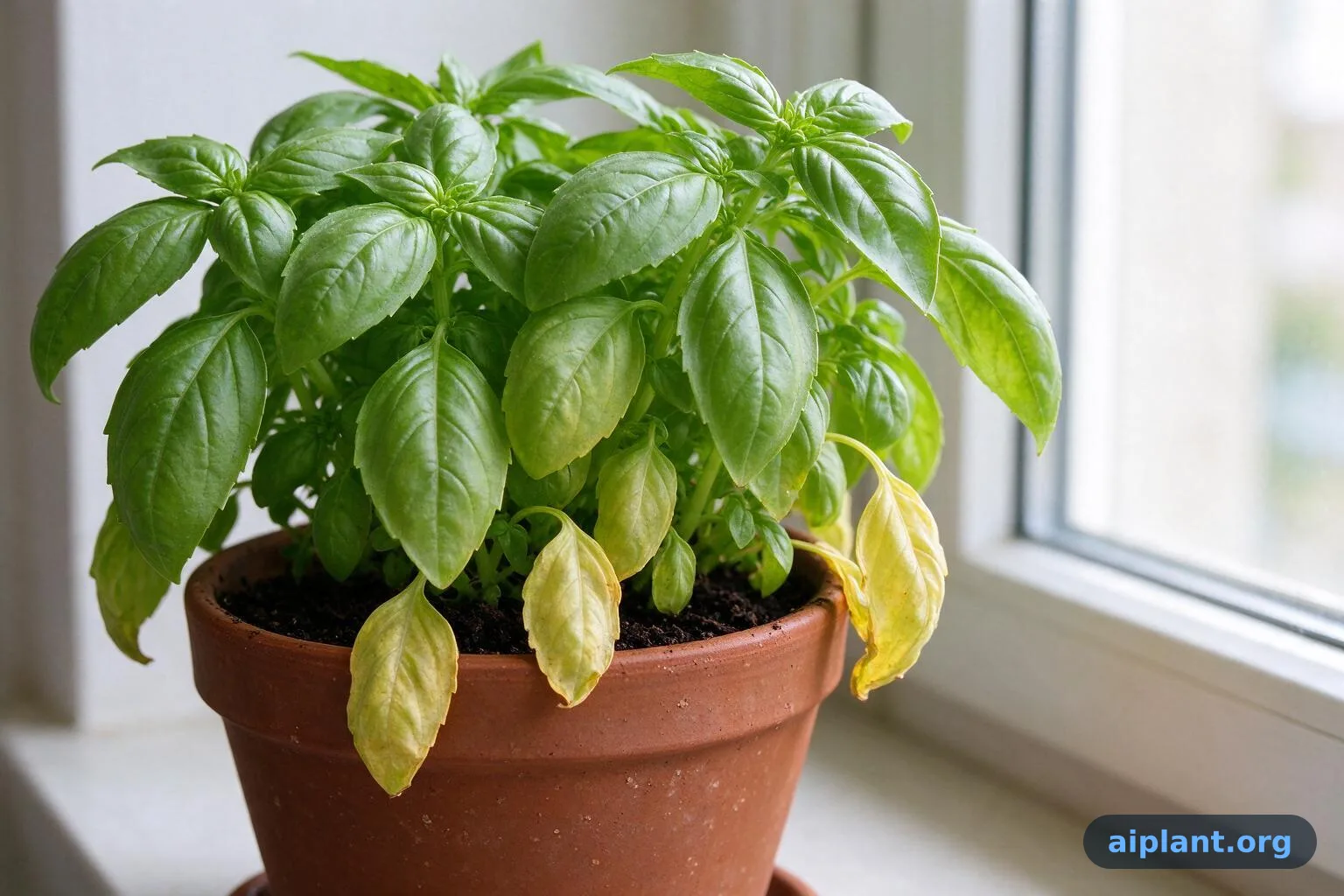
Why Are Basil Leaves Turning Yellow and Drooping?
Find the cause in minutes and get your plant back to steady harvest.
Tiny White Bugs and Sticky Leaves on African Violet?
Find the pest or disease behind the mess and fix it before rot spreads.