
Oregano Leggy and Sparse? Restore Bushy Stems
Find the cause, cut it back the right way, and get a full, bushy plant again.
Oregano (Origanum vulgare) that grows tall, thin and bare with no side shoots is almost always stretching for light or running unpruned into flower. The plant is not dying; it is doing what a mint-family herb does when it competes for sun. This article helps you find which cause fits your plant, then gives the exact cut, light level and watering routine that turn a spindly stem into a bushy clump you can harvest from all season.
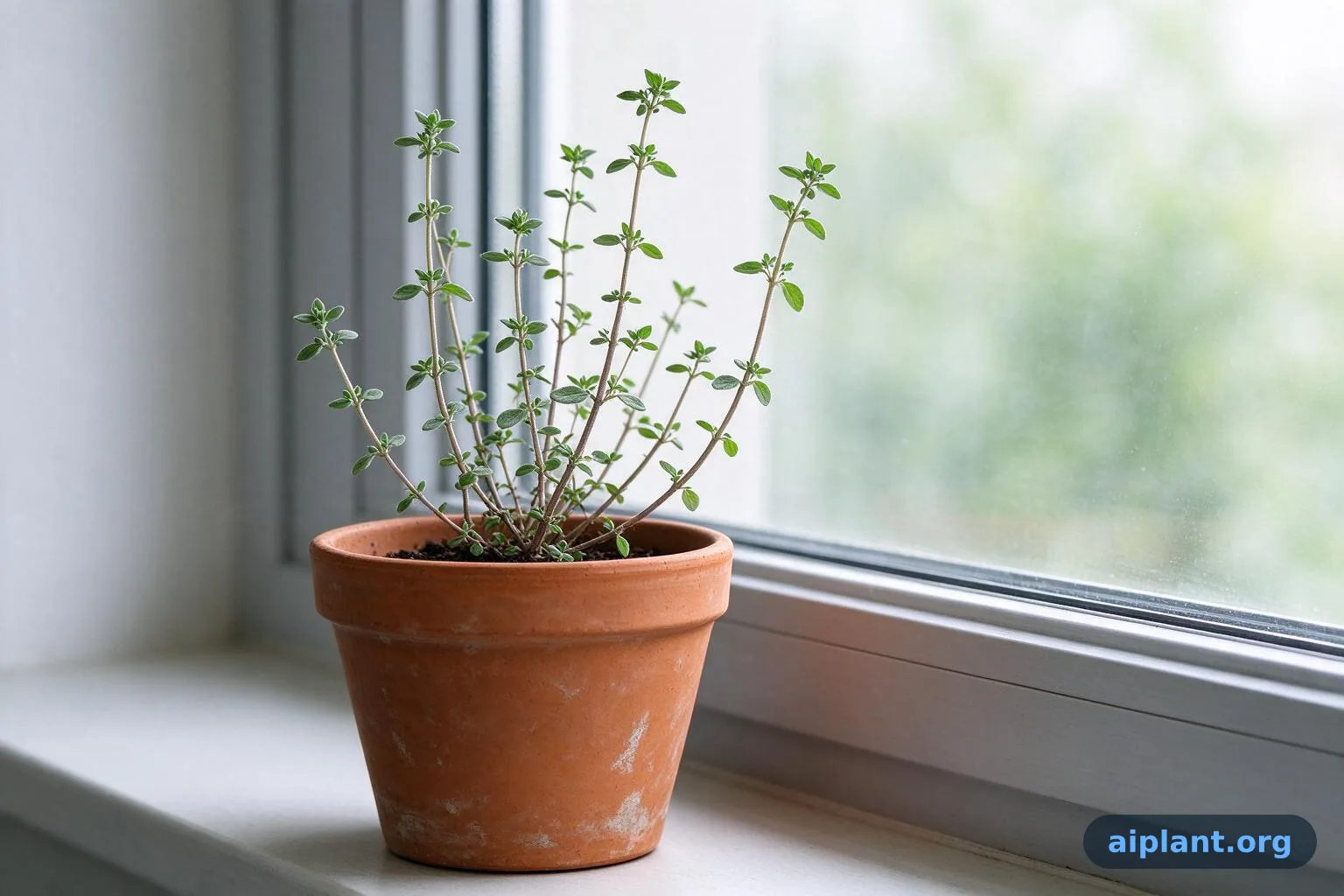
Oregano Legginess: The Quick Fix
- Oregano grows tall and leggy because it gets too little direct sun or has never been pinched, so each stem stretches upward instead of branching.
- Cut every stem back to a leaf pair, leaving 10-15 cm (4-6 in) of growth; new side shoots appear at those nodes within two to three weeks.
- Give it at least 6 hours of direct sun, water only when the top 2 cm (1 in) of soil is dry, and pinch tips monthly to keep it dense.
Oregano Symptom Check: Which Problem Is Making It Sparse
Use this table as an index: find the row that matches what you see, then read the full explanation under the matching sub-heading below. One plant can show two rows at once, so address the most severe symptom first.
Oregano leaves that look damaged are usually still usable: if the leaf is not mouldy, slimy or foul-smelling, wash it under cool water and trim away brown, crispy or spotted parts with scissors before eating or drying. Discard any leaf with soft dark patches, grey fuzz or a musty smell, because that is rot or mould rather than simple damage.
Oregano Symptom, Likely Cause and First Action
Oregano Stems That Stay Tall, Thin and Bare With No Side Shoots
Stretching for light is the most common cause: Oregano needs at least 6 hours of direct sun a day, and in less it grows long internodes (the gaps between leaf pairs) to reach brighter air. You will see pale green, widely spaced leaves and a stem that leans. Move the pot to a south- or west-facing spot, or outdoors in full sun once nights stay above 10°C (50°F), and the new growth comes back compact.
Never pruning is the second cause: an unpruned oregano stem grows straight up, flowers at the top and then stops branching, because the growing tip suppresses the side buds below it. Pinching or cutting that tip removes the suppression and pushes two shoots from the node underneath.
How to prune oregano for bushier growth
- Cut back to a leaf pair: using clean scissors, shorten each tall stem to 10-15 cm (4-6 in) above the soil, cutting just above a pair of leaves; the two buds in that leaf axil become the new branches, so a hard cut in early spring is safe on established plants.
- Pinch the tips every two to three weeks: once new shoots are 8-10 cm (3-4 in) long, nip out the top pair of leaves with thumb and finger, which doubles the branching points and keeps the clump dome-shaped rather than tall.
- Remove flower spikes as they form: cut the whole flower stem back to the next leaf pair, because flowering shifts energy into seed and makes stems woody; leave a few spikes only if you want the small white-pink flowers for pollinators.
Old woody stems are worth cutting hard: a plant two or more years old often has bare brown stems at the base. In early spring, cut all stems to 5-8 cm (2-3 in) above soil; oregano regrows from the crown, and this renovation restores a dense habit within about four weeks in warm weather.
Oregano Pruning Cuts by Purpose
Oregano Reaching Toward the Window: Sparse Indoor Growth
One-sided light makes indoor oregano lean and thin: a pot left in the same spot turns all its leaves toward the glass, and the shaded side stays bare. Rotate the pot a quarter turn every week and the stems straighten and fill out; if the plant still stretches, the window is simply too dim.
A sunny windowsill is often not enough in winter: even a south-facing window delivers far less light in December than in June. Add a small LED grow light 15-20 cm (6-8 in) above the plant for 12-14 hours a day, or accept slower growth and cut back on watering rather than feeding it into weak, leggy stems.
Warm indoor air pushes soft growth: oregano prefers 18-24°C (65-75°F) in active growth but tolerates cooler, brighter conditions better than hot, dim rooms. Keep it away from radiators, where dry heat and low light together produce the palest, longest stems.
Pinching matters more indoors: without wind or insects to damage tips, indoor stems keep extending. Pinch every two weeks and the plant stays compact even on a windowsill, which is the simplest way to stop indoor oregano becoming a single tall stalk.
Oregano Quick Care Facts
- Part Used
- Leaves and soft stem tips, used fresh or dried
- When to Harvest
- Cut stems before flowering, leaving 10 cm (4 in)
- How to Dry
- Hang small bundles in a dark, dry, airy room
- Storage Life
- Airtight jar away from light, up to 12 months
- Light
- At least 6 hours of direct sun daily
- Water
- When the top 2 cm (1 in) of soil is dry
Oregano Cuttings That Turn Slimy Before They Root
Rotting cuttings usually mean too much water and too little air: a soft tip left standing in a full glass of water with leaves below the surface suffocates and turns slimy within days. Oregano roots best from semi-ripe stems in a gritty mix, not from a long soak.
Take the cutting at the right stage: choose a healthy, non-flowering stem 8-10 cm (3-4 in) long, cut just below a leaf node, and strip the lower leaves so no leaf sits in water or soil. Soft spring tips rot more often than slightly firmer early-summer stems.
Root it in mix rather than a glass: dip the cut end in water, then in rooting hormone if you have it, and push it 3 cm (1 in) into a pot of half potting soil and half perlite. Keep the mix barely damp, not wet, and cover the pot with a clear bag for the first week to hold humidity, opening it daily for air.
Watch for the signs of success and failure: roots form in two to four weeks at 18-24°C (65-75°F); tug gently and a rooted cutting resists. If the stem turns black and soft, discard it and start again with a firmer cutting, because rot does not reverse once the base is mushy.
Oregano Propagation: Water vs Gritty Mix
Oregano That Collapses After Cold or Struggles Through Winter Indoors
One cold night damages the softest growth first: oregano is hardy to about -10°C (14°F) once established, but new spring shoots and potted plants are far more tender. After a frost, leaves blacken and go limp while the woody base stays firm; wait a week, then cut the dead tips back to green tissue and new shoots come from the crown.
Pots freeze faster than garden soil: a container's roots sit above ground and can freeze solid in a single cold night. Move pots against a warm wall, wrap them in bubble wrap, or bring them into a cool, bright porch below 4°C (39°F) for the worst nights.
Dark winter indoors is the usual indoor failure: warm rooms with little light make oregano produce pale, weak stems that collapse under their own weight. In winter, keep indoor plants cooler, water less often, and either add a grow light or let the plant rest until spring rather than pushing soft growth.
When to start over: if the crown and lower stems are still firm and green after a cold spell, the plant is worth saving and will regrow. If the base is brown and hollow and no new shoots appear after three weeks of mild weather, replace it, because a dead crown does not recover.
When Oregano Is Overgrown: Dividing and Replanting a Dense Clump
An overgrown oregano can be divided in early spring or early autumn: a clump three or more years old often has a woody, hollow centre and roots circling the pot, and division restores vigour while giving you new plants. Spring, as new growth starts, is the safest moment because the plant has a full season to root.
- Lift the whole plant: water it the day before, then slide a fork under the root ball and lever it out, keeping as much root as possible; a root ball that crumbles loses fine roots and sulks for weeks.
- Split with two forks or a knife: place two forks back to back in the middle of the clump and pull them apart, or cut cleanly through the crown, discarding the woody centre and keeping the outer sections with the strongest roots and shoots.
- Replant at the same depth and water in: set each division in soil improved with grit so it drains, firm it, and water once; keep it damp, not soaked, for the first two weeks until new growth shows.
Rejuvenate rather than divide when the centre is hollow: if the middle is dead and woody, take the healthy outer pieces and start them fresh, because replanting the old centre gives you the same sparse plant back.
Harvesting, Drying and Storing Oregano Without Losing Flavour
Harvest before the plant flowers for the strongest flavour: oil content peaks as buds form and drops once flowers open, so cut stems when the first buds appear rather than after full bloom. Take no more than one third of the plant at a time, cutting stems back to a leaf pair so it regrows.
Morning is the best time to cut: pick after dew has dried but before the day heats up, when leaves are firm and aromatic. Rinse in cool water and pat dry before drying or using fresh.
Dry in small bundles out of direct sun: tie stems in bunches of five to eight, hang them in a dark, dry, airy room at about 20-25°C (68-77°F), and they are ready in one to two weeks when leaves crumble easily between your fingers. A dehydrator on its lowest setting works too; heat above about 40°C (104°F) drives off the oils that give oregano its flavour.
Store only fully dry leaves: strip them from the stems and seal in an airtight jar away from light and heat; well-dried oregano keeps its aroma for about 12 months, after which it is safe but dull. Any jar showing condensation or a musty smell means the leaves went in damp and should be discarded.
Oregano Harvest and Drying by Stage
Oregano Pests, Mildew and Who Should Be Careful Using It
Aphids cluster on soft new tips: look for small green or black insects on the youngest leaves, sticky honeydew and curled growth. Wash them off with a firm jet of water every few days, or spray insecticidal soap in the evening; repeat weekly until no new insects appear, and pinch out badly curled tips.
Spider mites thrive in dry indoor air: fine webbing between leaves and pale speckled leaves signal mites, which multiply fast in a warm, dry room. Raise humidity, wash the foliage, and treat with soap spray, repeating every five days for three rounds to catch newly hatched mites.
Powdery mildew appears as white floury patches: it comes from poor airflow and crowded, leggy growth, so thin the clump and water at the soil rather than over the leaves. Remove affected stems and improve spacing; oregano in full sun with moving air rarely suffers badly.
Who should be careful: people who are pregnant or breastfeeding, children, and anyone taking medication should ask a doctor or pharmacist before using oregano regularly, especially concentrated oil or supplements. Oregano is traditionally used in cooking and commonly brewed as a tea in some regions; treat those as traditional uses, not medical treatment.
Oregano troubleshooting and care questions
Can I grow oregano from seed, and how long does germination take?
Yes, oregano grows readily from seed. Start it indoors about six to eight weeks before the last frost, or sow directly once soil has warmed. Press seed lightly into the surface and keep it moist but not soaked; light aids germination. Expect seedlings in roughly one to two weeks at warm room temperature, though germination can be uneven, so sow a little thicker than the final spacing.
What is the best soil mix and pot size for growing oregano in a container?
Use a free-draining mix, roughly half potting soil and half perlite or coarse grit, because oregano roots rot in soggy, heavy compost. Choose a pot with drainage holes only slightly wider than the root ball, around 15-20 cm (6-8 in) for a young plant; oregano likes being a little pot-bound, and oversized pots hold excess wet soil that stays cold and damp.
How do I overwinter potted oregano outdoors without losing it to frost?
Move pots against a warm wall or wrap them in bubble wrap, since container roots can freeze solid in one cold night even though established ground plants tolerate about -10°C (14°F). Protect below 4°C (39°F), or bring pots into a cool, bright porch for the worst nights. Keep watering minimal and check that the crown stays firm and green.
Why are my oregano leaves turning yellow or brown, and how do I fix it?
Yellow or brown leaves usually mean waterlogging, low light or frost. Check the top 2 cm (1 in) of soil: if it stays wet, stop watering and repot in a gritty mix, removing soft black stems. Crisp brown edges after a cold night are frost damage; wait a week, then trim dead tips back to green tissue and protect below 4°C (39°F).
Can I grow oregano indoors year-round on a windowsill, and what does it need?
Yes, oregano can grow indoors year-round if the windowsill gives at least 6 hours of direct sun; otherwise growth turns pale and leggy. Rotate the pot a quarter turn weekly so all sides fill out, pinch tips every two weeks to force branching, and water only when the top 2 cm (1 in) of soil is dry. Keep it away from radiators, and in dim winter months either supplement the light or let it rest and water less.
How do I propagate oregano by layering instead of cuttings or division?
Layering works by rooting a stem while still attached to the parent. Bend a low, flexible stem down, strip the leaves from a section, and bury that part 3 cm (1 in) in soil, pinning it with a bent wire or stone and leaving the tip above ground. Keep the buried section barely damp; roots form in a few weeks, and the new plant can be cut free once it resists a gentle tug.
What companion plants grow well with oregano, and which should I avoid?
Oregano partners well with plants that share its full-sun, free-draining conditions, such as thyme, sage, rosemary and most brassicas, where its scent may confuse pests. Avoid heavy feeders and moisture-lovers like celery or plants needing constant wet soil, since oregano dislikes soggy ground. Also give it space, because crowded, leggy growth reduces airflow and invites mould.
How often should I fertilize oregano, and what type of feed does it need?
Feed oregano sparingly, as rich soil pushes soft, leggy growth and dilutes flavour. A light application of compost or a balanced organic feed in spring as growth starts is usually enough for plants in the ground; container plants may need a dilute feed monthly through the growing season. Stop feeding in winter, when slow growth means unused nutrients build up in the pot.
Related articles
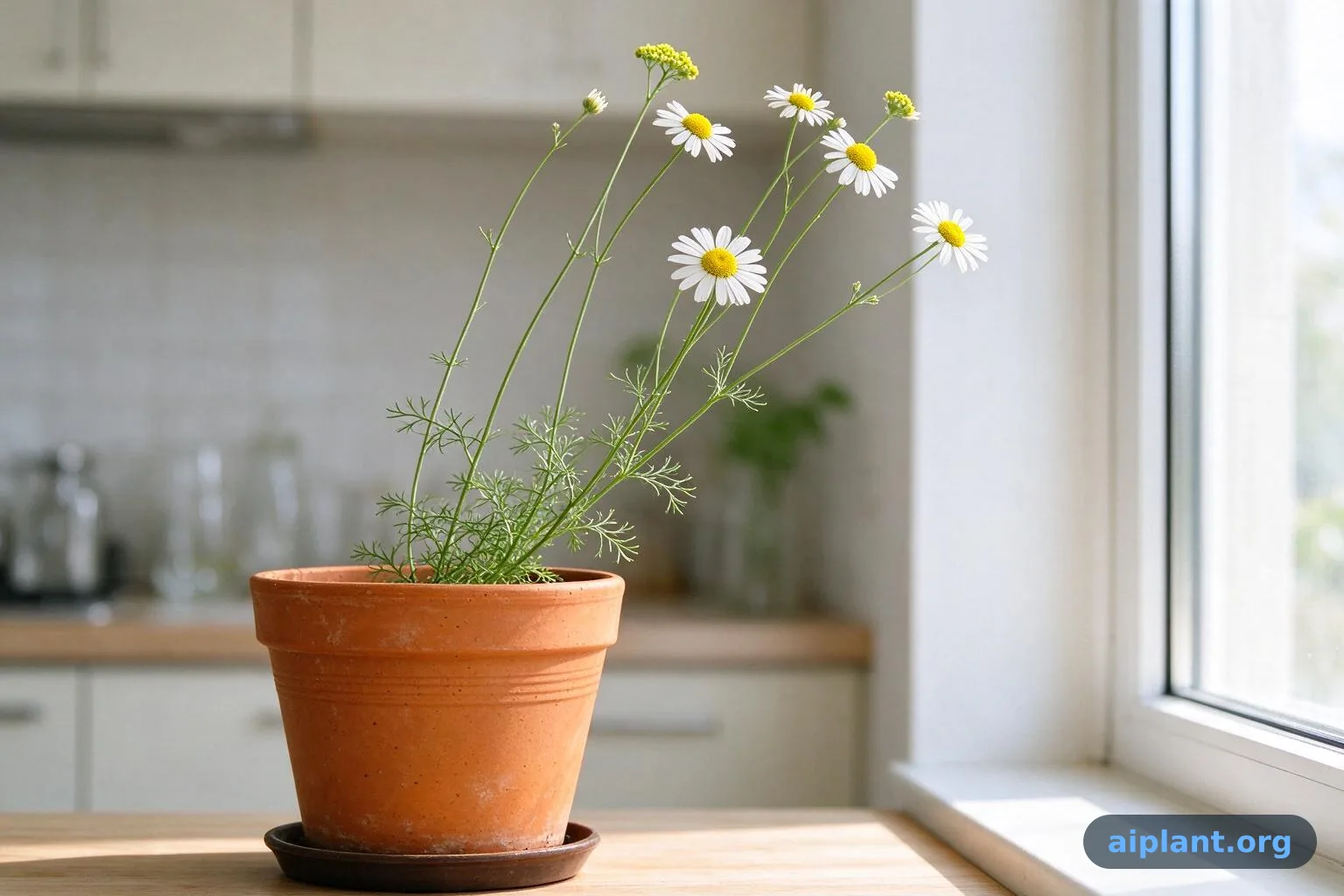
Why Is My Chamomile Growing Tall and Leggy? Fix Sparse Stems
Find the cause and pinch, cut back and water your way to a full, flower-covered plant.
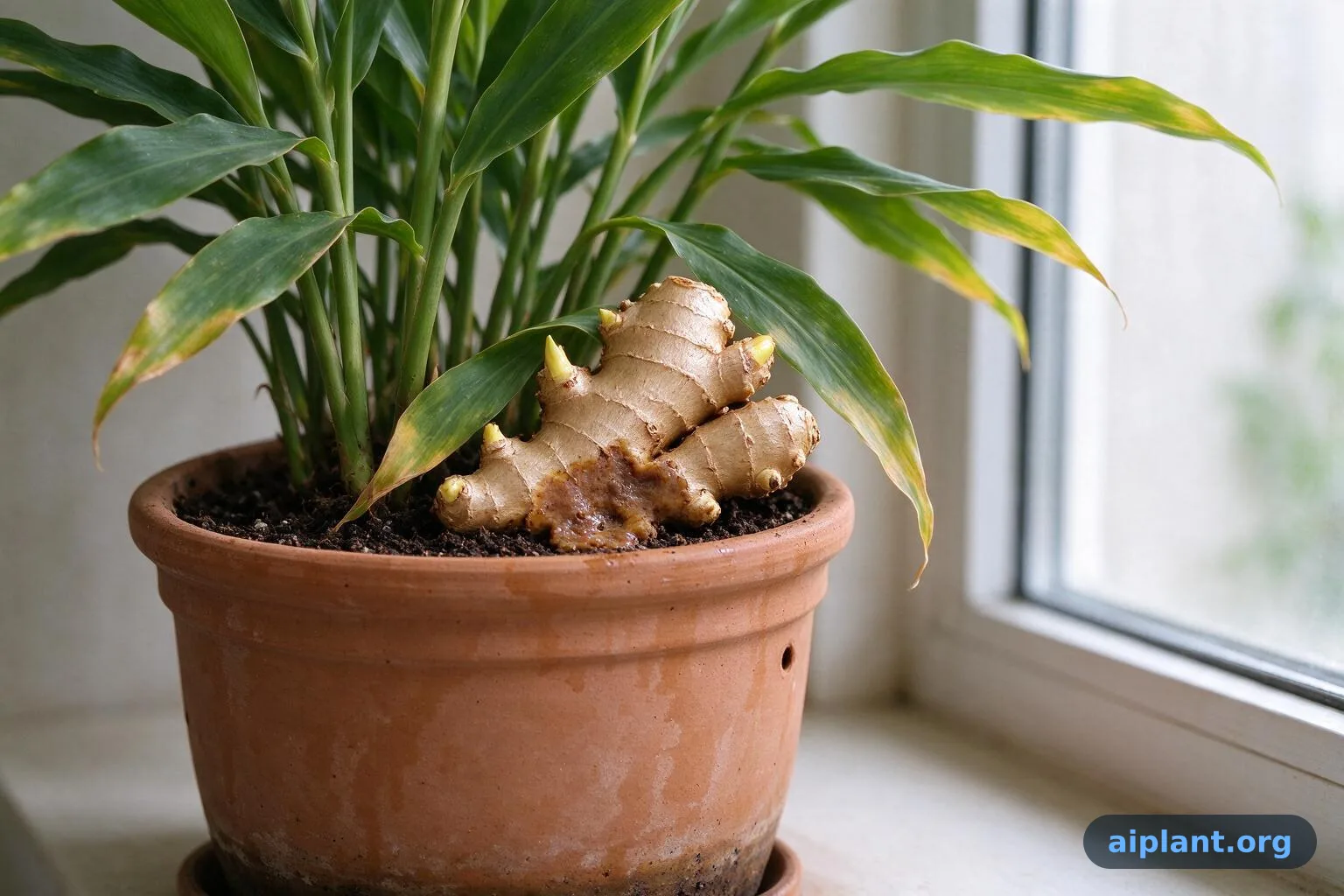
Why Is My Ginger Plant Dying and Rotting?
Match the symptom, fix the rot, and still get a harvest.
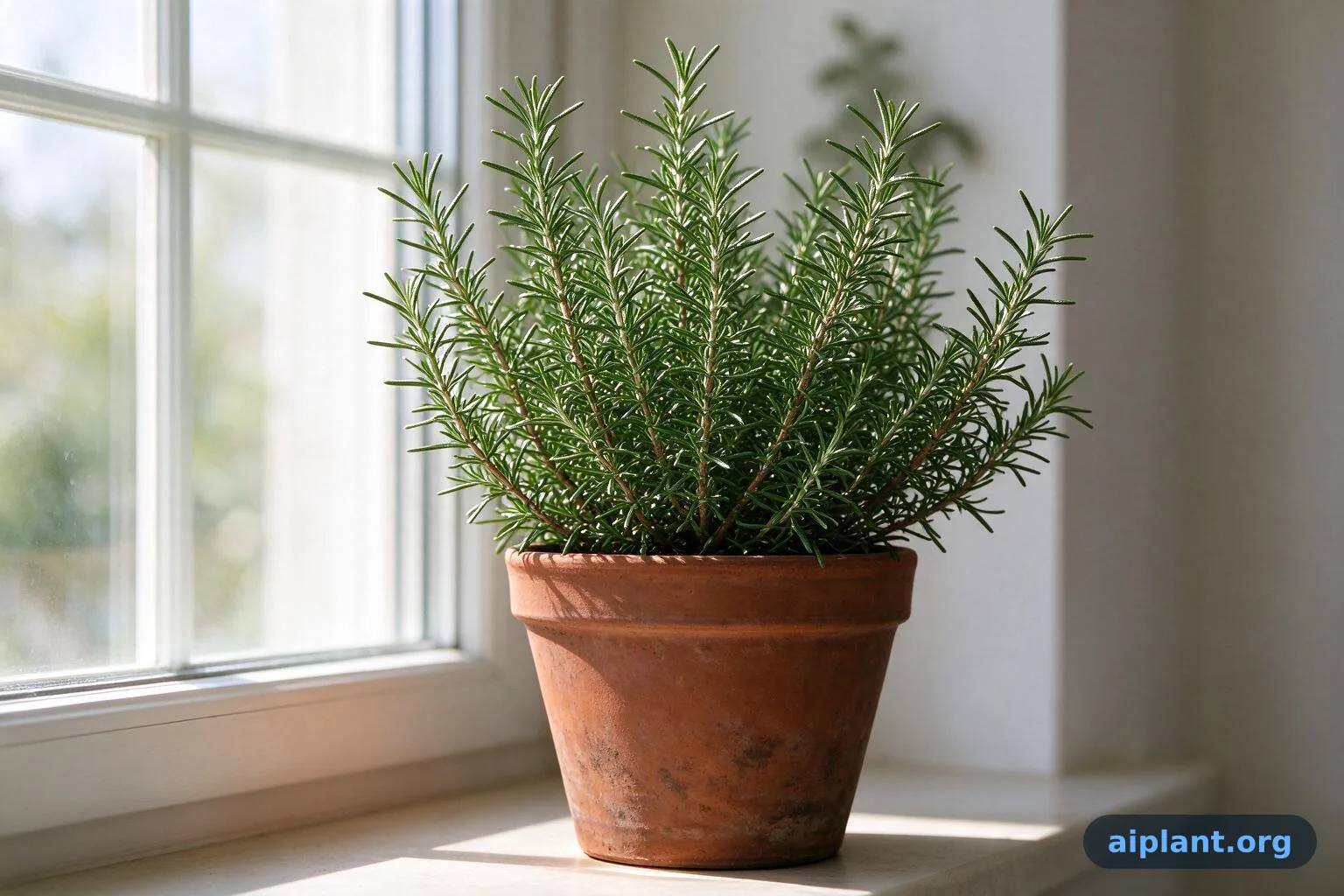
Why Is My Rosemary Not Flowering and How Do I Fix It?
Find the cause, fix it, and bring the blue blooms back.
Why Is My Echinacea Not Flowering or Dropping Buds?
Find the cause in minutes and get your echinacea blooming again.