
Why Is My Philodendron Losing Colour and Going Pale?
Find the cause in minutes and bring back deep, healthy green.
Pale, washed-out leaves on Philodendron (Philodendron hederaceum) almost always mean the plant is getting more light than it can use, sitting in cold air, or running short of a nutrient — and each cause looks slightly different. This diagnosis-first article helps you match what you see to the most likely cause, fix it with steps you can start today, then keep the deep green colour with care that prevents the problem from returning. It also covers the other problems philodendron owners run into, from yellowing lower leaves to mushy stems and cuttings that never root.
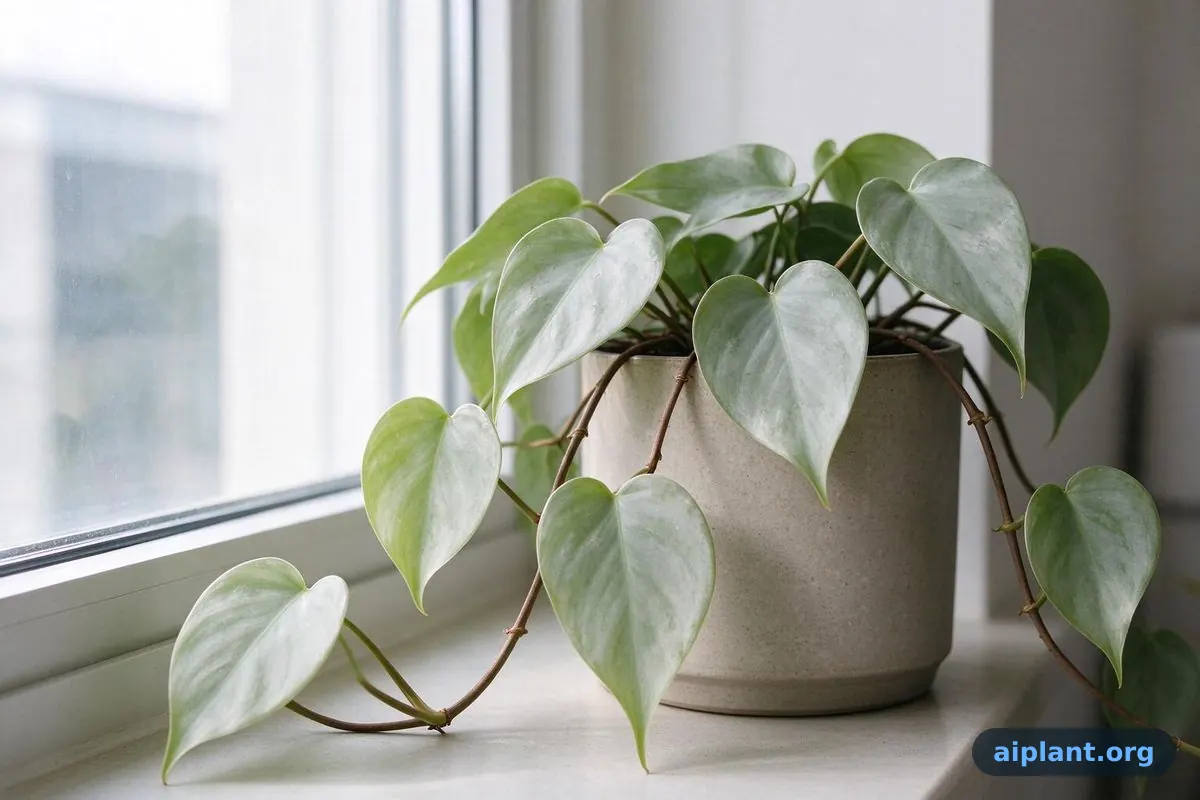
Philodendron Pale Leaves: The Fast Answer
- Too much direct sun is the most common cause: leaves fade to yellowish-green and the colour is strongest on the side facing the window.
- Cold air below 10°C (50°F) or a chilly draft bleaches leaves and can damage them overnight, especially near glass.
- A nutrient gap, usually nitrogen or iron, pales new growth first while older leaves stay darker green.
- Move the plant to bright indirect light, keep it at 18–27°C (65–80°F), and feed monthly in spring and summer to restore colour.
Philodendron Colour Loss: Match the Symptom to the Cause
Use this table as an index: find the row that matches what you see, then read the full fix under the matching sub-heading below. Most pale philodendron leaves come down to light, cold, or nutrients, but pests and watering problems can also change leaf colour, so check the whole plant before acting.
Pale, Washed-Out Leaves on the Window Side
The most common cause is too much direct sun. Philodendron hederaceum is a rainforest understory climber that wants bright indirect light; two or three hours of strong afternoon sun through glass is enough to bleach the chlorophyll out of the leaves. The fading usually starts on the leaves closest to the window and on the side facing it, while shaded leaves stay darker. Move the plant 1–2 m (3–6 ft) back from a south- or west-facing window, or hang a sheer curtain, and the existing pale leaves will not darken again but new growth should come in green within a few weeks.
Yellowing That Starts at the Bottom and Moves Up
When the oldest, lowest leaves turn yellow first and the upper leaves stay green, the plant is usually recycling nutrients from old growth or sitting in soil that stays wet. Check the soil 3 cm (1 in) down: if it feels soggy and smells sour, watering is the cause and the fix is to let the top half dry out between waterings. If the soil is fine and only one or two old leaves yellow at a time, it is normal aging — philodendron drops its oldest leaves as the vine extends, and no treatment is needed beyond removing the yellow leaf.
Sticky Leaves With Tiny White Insects
Small white specks around the leaf joints, a sticky film on the leaves, and sooty black mould on the honeydew point to pests, most often mealybugs or whiteflies. Wipe the undersides of leaves with a cotton swab dipped in rubbing alcohol, then spray the whole plant with insecticidal soap every 7 days for three weeks, covering leaf undersides and stems.
Mushy Stems and Soil That Never Dries
If the base of the stem feels soft and the potting mix stays wet for more than a week, root rot has started. Unpot the plant, cut away brown mushy roots with clean scissors, and repot into fresh, free-draining mix in a pot only 2–3 cm (1 in) wider than the root ball; water sparingly until new growth appears.
Tall, Thin Stems With Bare Lower Sections
A philodendron that grows long gaps between leaves and loses its lower foliage is reaching for light. Move it closer to a bright indirect source or add a grow light for 12–14 hours a day, then pinch the growing tip just above a node to trigger side shoots.
Leaves Damaged After One Cold Night
Brown, translucent patches on leaves that were fine the day before usually mean cold damage. Philodendron suffers below 10°C (50°F), and leaves touching cold window glass can be damaged even indoors. Move the plant away from the window at night and trim damaged leaves back to healthy tissue once the damage stops spreading.
Philodendron Symptom, Likely Cause and First Action
Philodendron Lower Leaves Yellowing: When It Is Aging and When It Is Trouble
Yellowing that starts on the lowest leaves and moves upward is the plant's way of moving nutrients from old growth to new, and the cause depends on whether the soil is wet or dry.
Normal Aging from the Bottom Up
Philodendron hederaceum normally sheds its oldest leaf every few months as the vine extends. When only one yellow leaf at a time appears and new growth stays healthy, this is aging rather than disease, so simply remove the yellowed leaf and change nothing else.
Overwatering Starving the Roots
When several lower leaves yellow within a week, probe the potting mix at 3 cm (1 in): a wet, sour smell there means overwatering is suffocating the roots, so water less and let the upper half dry out before the next drink, and make sure the pot drains freely.
Nitrogen Deficiency in Unfed Soil
If the soil is dry and the plant has not been fed for months, nitrogen deficiency is likely — feed a balanced liquid fertiliser at half strength every four weeks through spring and summer, and new leaves should come in green.
Cold Soil Slowing Nutrient Uptake
Cold soil below 15°C (60°F) also slows nutrient uptake and causes lower-leaf yellowing in winter, so move the pot away from a cold floor or windowsill.
Removing the Yellowed Leaves
Remove a yellow leaf once it has turned more than half yellow, because it will never recover its colour and can instead attract fungus.
Tiny White Bugs and Sticky Leaves on Philodendron
Sticky leaves with tiny white insects are a pest problem, not a watering one. Wipe the foliage with a damp cloth and isolate the plant until the bugs are gone. Mealybugs look like small cottony tufts in leaf joints and along stems; whiteflies are 2 mm white flies that scatter when the plant is disturbed. Both feed on sap and excrete honeydew, which leaves a sticky shine and grows black sooty mould. Check new growth and leaf undersides before stopping, because eggs hatch over several weeks.
Philodendron Pests and Diseases: What You See and How to Treat
Mushy Philodendron Stems and Soil That Stays Wet
A soft, brown stem base and potting mix that never dries are the signature of root rot, and the plant is still worth saving if at least some roots are firm and white.
Why the Roots Rot
Overwatering is the most common cause, followed by a pot without drainage holes and a dense mix that holds water like a sponge. Philodendron hederaceum roots need air; when the mix stays saturated for more than a week, roots suffocate and rot fungi move in, so reduce watering and repot into a free-draining mix.
Cutting Away the Rotted Roots
Act as soon as the stem feels soft: unpot the plant, rinse the roots, and cut away every brown, mushy root with clean scissors, keeping only firm white or cream roots.
When to Start Over from a Cutting
If the stem is mushy all the way to the top and no firm nodes remain, take a cutting from healthy stem above the rot and start over — a vine with two or three nodes roots readily in water or damp mix.
Philodendron Cuttings That Never Root in Water
Cuttings that sit in water for weeks without roots usually lack a node or are in water that is too cold or too dark. Each cutting needs at least one node — the small bump where a leaf meets the stem — because roots emerge from the node, not the stem itself. Use a clear glass so you can see root nubs, change the water every 5–7 days, and keep it at 20–25°C (68–77°F) in bright indirect light. Roots usually appear within two to four weeks; if the cut end turns black and soft, trim it back to firm green tissue and restart with fresh water.
Philodendron Root and Cutting Problems at a Glance
Leggy Philodendron Vines and the Flower That Never Comes
A philodendron that grows tall, thin and bare is stretching for light, and it will not flower indoors because the conditions that trigger blooming are not met.
Leggy Growth Means Not Enough Light
Philodendron hederaceum naturally trails or climbs with leaves spaced along a sturdy stem; kept in dim corners it stretches, the internodes lengthen, and the lower leaves fade and drop. Bring it nearer to stronger indirect light or add a grow light above it to firm the stems back up.
Use a Moss Pole or Trellis
Add a moss pole or a trellis so the vine has something to climb, because stems that climb upward reliably hold fuller, more numerous leaves along their length than stems left to sprawl.
Why It Almost Never Flowers Indoors
Indoors, philodendron almost never flowers because it needs mature size, high humidity and bright filtered light; the flowers are tiny and hidden inside a spathe, and most houseplants never reach flowering stage, so do not force it — raise humidity and add stronger filtered light if you still want to try.
Grow for Foliage, Not Blooms
Treat dense, deep-green foliage as the real reward of an indoor philodendron, keep the plant healthy with steady light and regular feeding, and accept that the rare, tucked-away bloom is not worth chasing.
Cold Nights and Philodendron Leaf Damage
Leaves damaged after one cold night show brown, water-soaked or translucent patches, usually on the side nearest the glass. Philodendron hederaceum is tropical and suffers below 10°C (50°F); a single frosty night against a window can damage exposed leaves even in a heated room. Move the plant at least 30 cm (12 in) away from the window at night, or close curtains between the plant and the glass. Do not prune immediately — wait a week to see how far the damage spreads, then trim brown tissue back to firm green stem. Keep the plant at 18–27°C (65–80°F) and away from drafts from doors and air conditioners to prevent repeat damage.
Philodendron Care That Keeps Leaves Deep Green
The care that prevents pale leaves is simple: bright indirect light, a free-draining mix that dries partly between waterings, warmth, and steady feeding in the growing season.
Light and Temperature
Philodendron hederaceum grows best at 18–27°C (65–80°F) with a minimum of 10°C (50°F). Move it away from cold drafts and give it steady bright indirect light.
Watering and Soil
Grow it in a mix with a pH of 5.5–6.5 that dries partly between waterings, and water sparingly so the roots stay aerated; the plant tolerates normal home humidity of 40–60%.
Feeding Schedule
Feed a balanced liquid fertiliser diluted to half strength every four weeks from spring through summer, then pause feeding through winter when growth slows and the roots cannot use it.
Repotting and Pruning
Repot every 1–2 years in spring once roots start circling the pot, and prune in early spring to control size and encourage bushier, fuller growth closer to the base.
Keeping the Leaves Clean
Wipe each leaf gently with a damp cloth every few weeks to clear dust, which otherwise shades the foliage and reduces the light the leaves can actually use for growth.
Philodendron Quick Care Facts
- Light
- Bright indirect; 1–2 m from a sunny window
- Water
- When top 3 cm (1 in) of mix feels dry
- Temperature
- 18–27°C (65–80°F); never below 10°C (50°F)
- Humidity
- 40–60%; tolerates average home air
- Soil
- Free-draining mix, pH 5.5–6.5
- Fertilizer
- Half-strength balanced feed every 4 weeks in season
More Philodendron Problems Answered
How often should I repot a philodendron, and what size pot should I move it into?
Repot when roots crowd the surface or poke through drainage holes, typically every one to two years, and choose a container whose diameter exceeds the root ball by roughly 2–3 cm (1 in). A larger pot leaves a wide band of wet mix around the roots, which dries slowly and invites rot. Spring is the safest window, while the plant is actively growing.
Can I propagate philodendron in soil instead of water, and how do I do it?
Yes. Use a cutting with at least one node, since roots emerge from the node rather than the bare stem. Insert the node into damp, free-draining mix, keep it at 20–25°C (68–77°F) in bright indirect light, and keep the mix lightly moist without soaking it. Roots usually form in two to four weeks; tug gently to test for resistance before repotting.
Why are the leaf tips of my philodendron turning brown and crispy?
Brown crispy tips usually mean the mix has been kept too dry or the air is very dry, not direct sun. Check the top 3 cm (1 in) of mix: if it is bone dry well before watering day, water a little sooner. Trim the dead tip back to green tissue with clean scissors and keep humidity at 40–60 percent.
How do I prune a philodendron to make it fuller and control its size?
Prune in early spring. Cut a vine just above a node, the bump where a leaf meets the stem, because new side shoots emerge from that node. Shorten leggy vines to control size and pinch the growing tip to trigger branching. Keep the plant in bright indirect light so regrowth stays compact rather than stretching again.
Why is my philodendron dropping leaves suddenly after I moved it?
Sudden leaf drop after a move is usually shock from a change in light, temperature or drafts, not disease. Check the new spot: it should give bright indirect light at 18–27°C (65–80°F), away from cold glass, doors and air conditioners. Leave the plant in place and water as normal when the top 3 cm (1 in) of mix dries; stable conditions let it settle.
What kind of potting mix and pH does a philodendron need?
Use a free-draining mix that holds some moisture but lets the top half dry between waterings; a potting mix with perlite or bark works well. The pH should be 5.5–6.5. Confirm the pot has a drainage hole, since a dense mix in a closed pot keeps roots wet and leads to rot.
How do I clean dust off philodendron leaves without damaging them?
Wipe leaves with a damp soft cloth every few weeks, supporting each leaf from underneath so the stem is not bent. Dust reduces the light leaves can use, so this also helps colour. Do not use leaf-shine products or rub hard; for sticky honeydew from pests, a cotton swab with rubbing alcohol on the undersides is gentler.
Why are my philodendron’s new leaves smaller than the older ones?
Smaller new leaves usually mean the vine is getting too little light, so growth stretches and leaves shrink, or the plant has not been fed for months. Move it closer to bright indirect light or add a grow light 12–14 hours a day, and feed half-strength balanced fertiliser every four weeks in spring and summer. Pinching the tip also encourages fuller growth.
Related articles
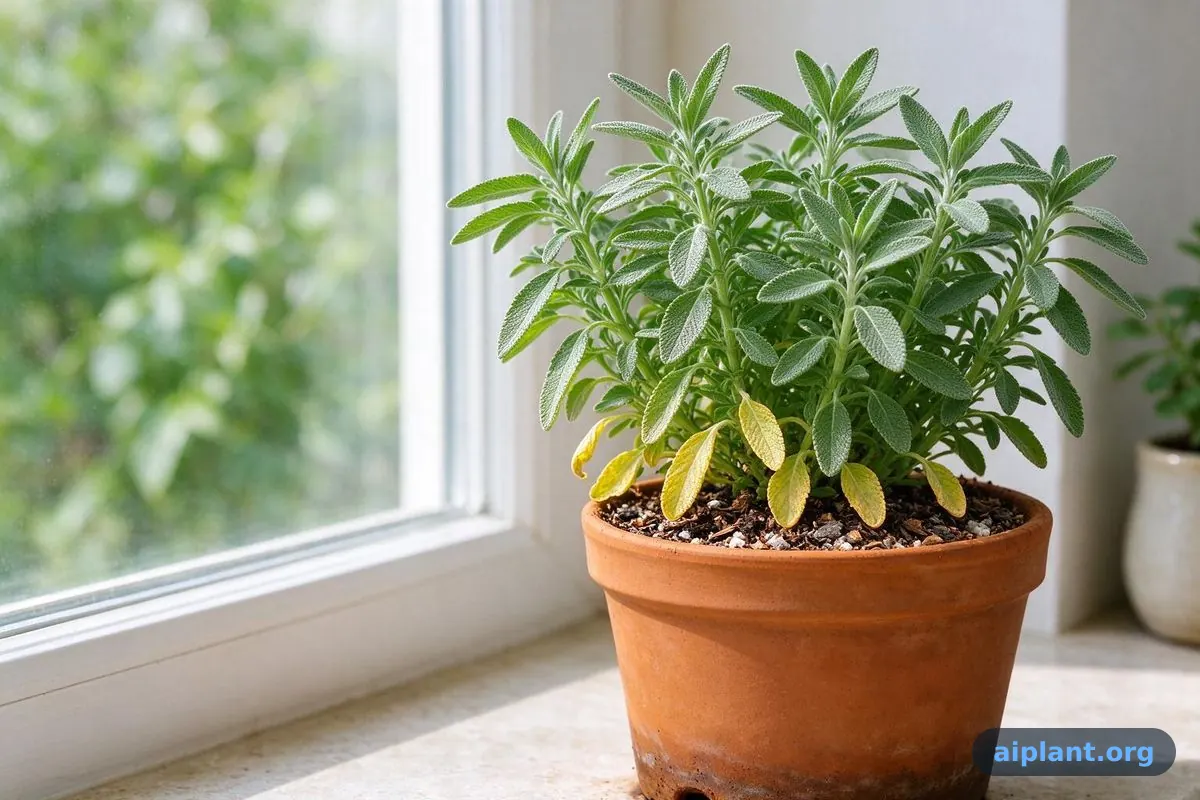
Why Are Sage Leaves Turning Yellow From the Bottom Up?
Find the cause, fix the roots, and keep the harvest
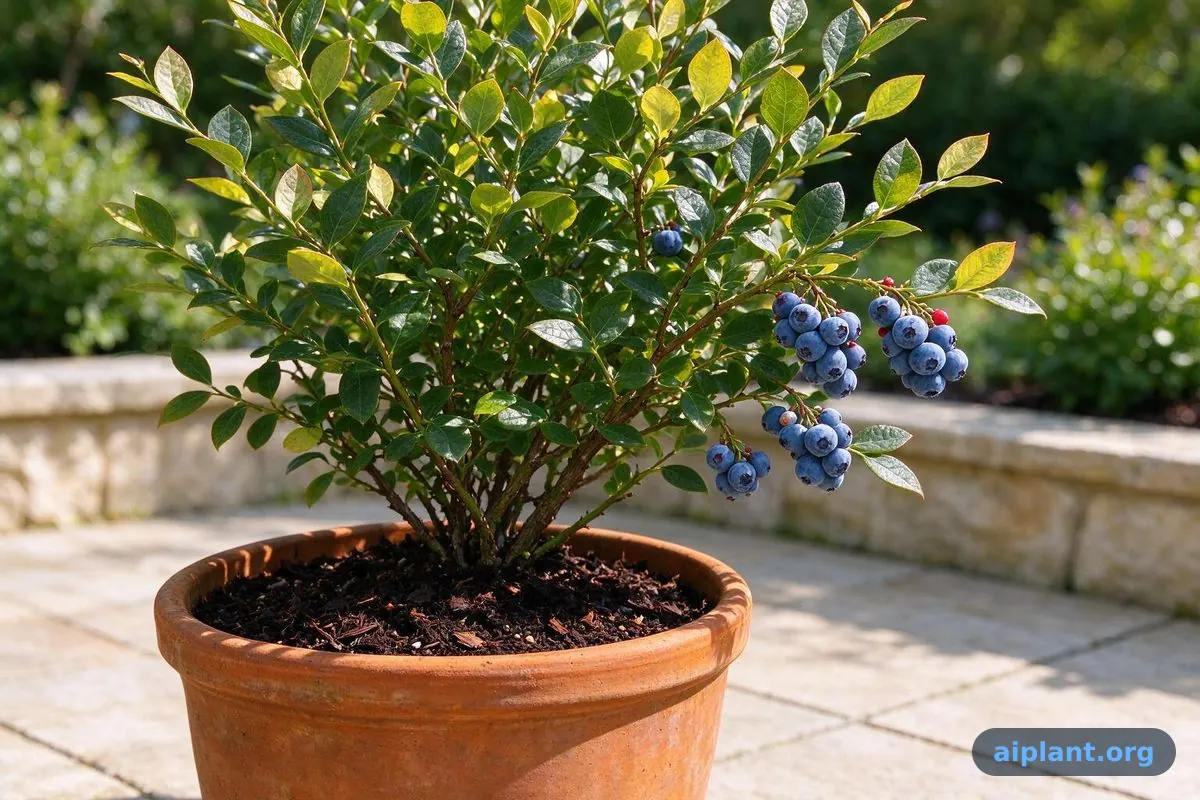
Blueberry Bush Cuttings Not Rooting and Leaves Pale? Diagnose and Fix
Match the symptom to the cause and get your blueberry back to green growth and fruit.
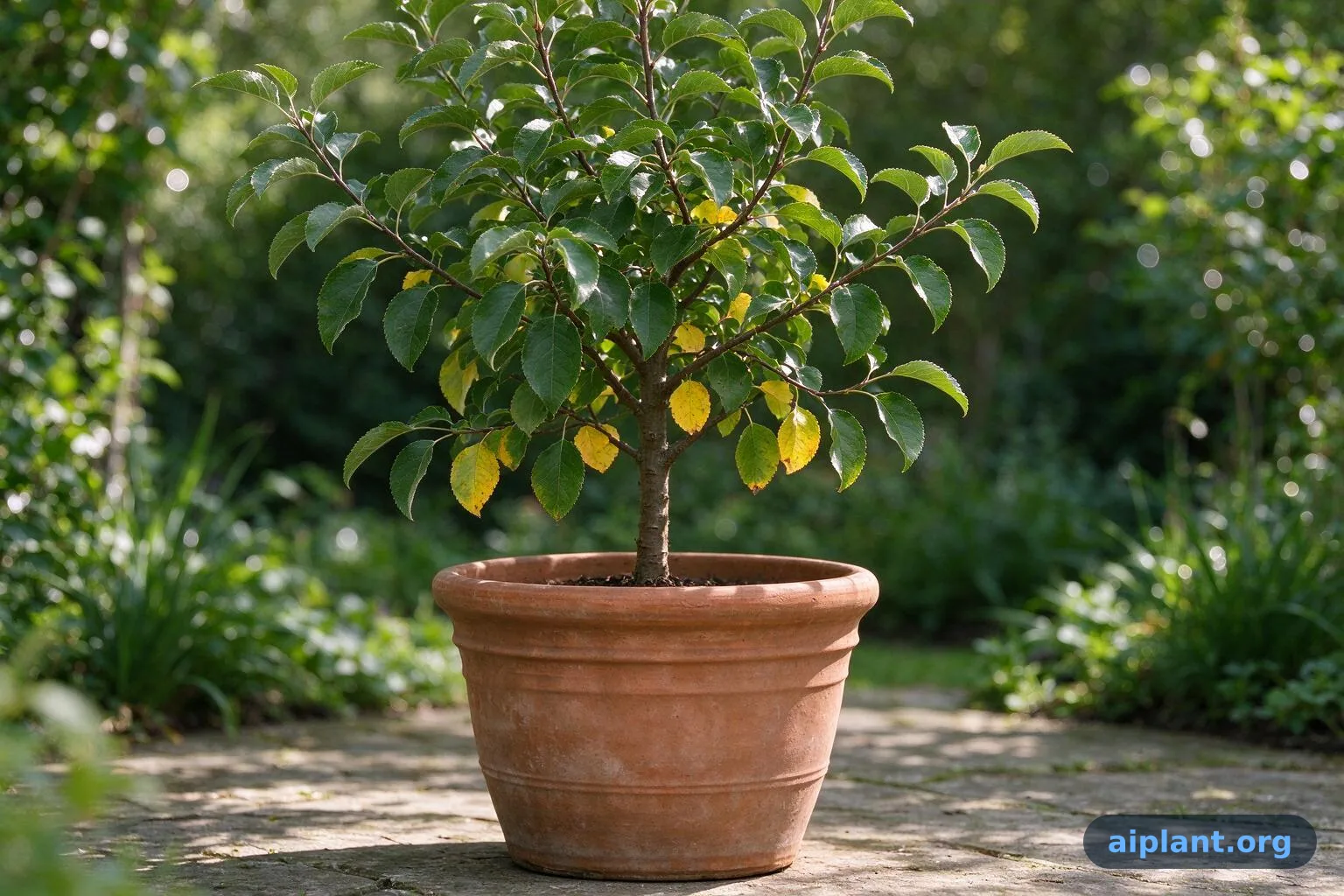
Why Are My Apple Tree Leaves Turning Yellow?
Find the cause in minutes and keep the fruit coming.
Why Are Basil Leaves Turning Yellow and Drooping?
Find the cause in minutes and get your plant back to steady harvest.